On this page
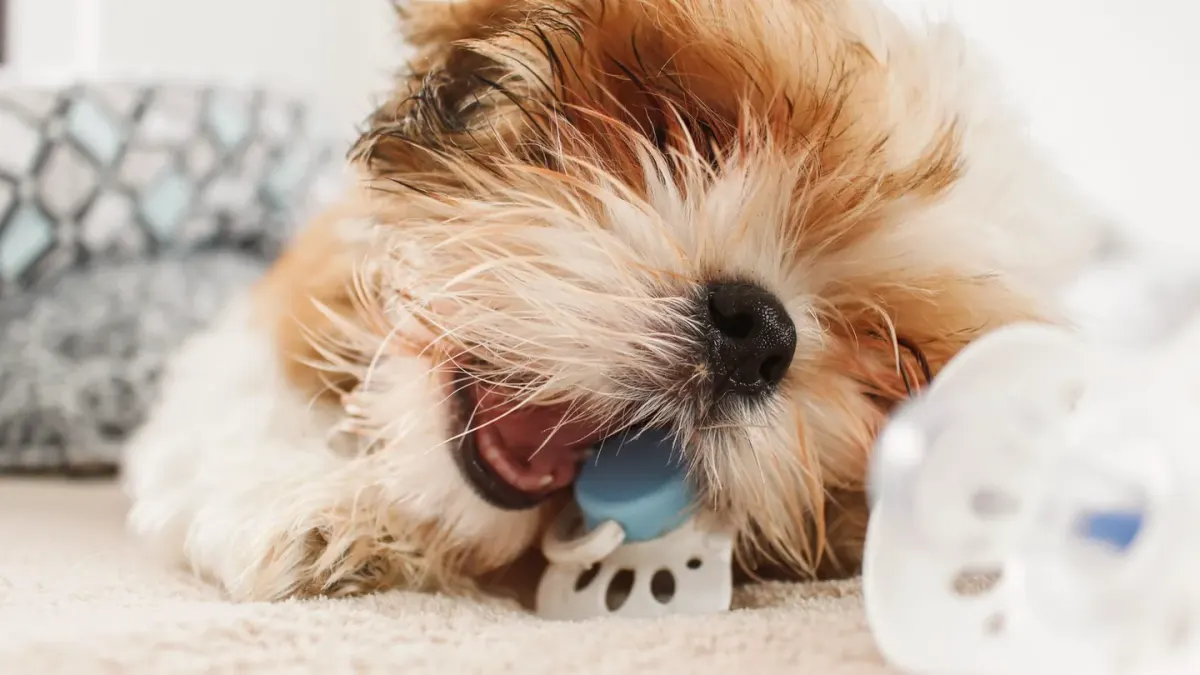
Start here: your puppy’s mouth is changing fast, and the toy basket needs to keep up. Puppies begin cutting baby teeth around three weeks old, and by about six weeks all 28 deciduous teeth are in, according to VCA Animal Hospitals. The phase most owners actually notice — the chewing everything, the whining, the occasional fleck of blood on a toy — kicks in closer to 12 weeks, when those baby teeth start loosening so permanent ones can erupt. That whole process usually wraps up by six months. Knowing where your puppy sits in that timeline tells you what kind of toy to reach for.
What sore gums actually need
A teething puppy isn’t chewing out of boredom. The gums are inflamed, new teeth are pushing through, and chewing on the right texture provides counter-pressure that eases the ache — the same reason a teething baby gnaws a chilled ring. Cold makes a real difference here. Frozen chew toys work by numbing sore gum tissue on contact, and vets commonly point pet owners toward chilled rubber toys, per Rover, as one of the more reliable ways to bring down that swelling. A softer rubber compound designed specifically for puppy teeth and gums tends to outperform anything marketed as “tough” or “indestructible” during this stage — durability is the wrong metric when the goal is comfort, not demolition-proofing.
Do this: pick two or three chew toys in a softer rubber or silicone, rotate them through the fridge or freezer, and offer a cold one whenever your puppy starts mouthing furniture, hands, or shoe laces. A damp washcloth, knotted and frozen, works the same way in a pinch and costs nothing.
Why the hardest toy on the shelf is the wrong pick
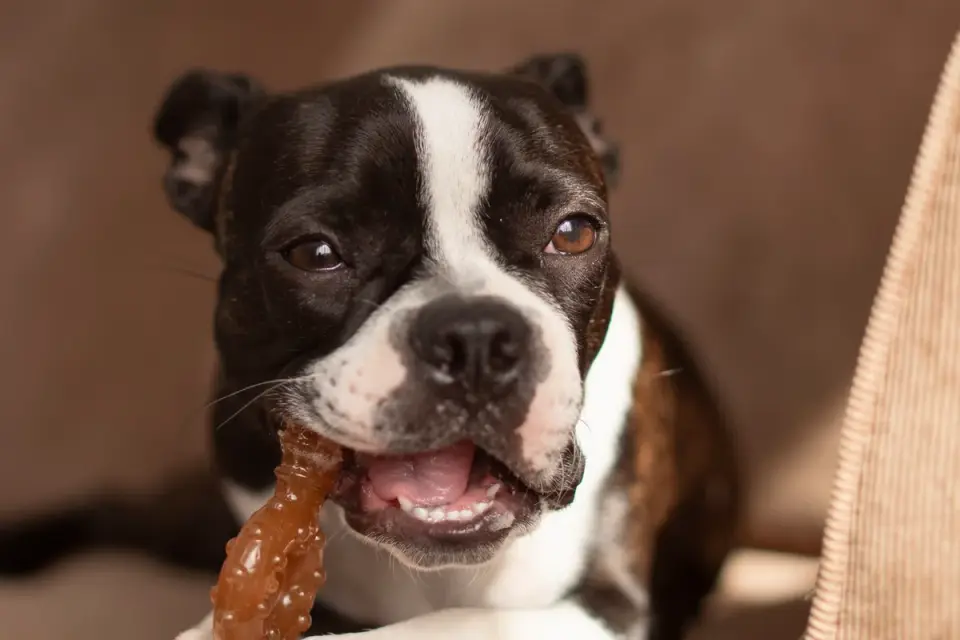
Here’s the part most puppy owners get backwards: harder is not safer. A fractured tooth is one of the more common reasons dogs end up at a veterinary dental practice, and in most of those cases the cause is an object that’s actually harder than the tooth itself, according to BluePearl Pet Hospital. Real bones, antlers, nylon bones, cow hooves, and even ice cubes fall into that risky category — the toy wins, and the tooth (baby or adult) doesn’t.
There’s a simple field test. Press your thumbnail into the toy’s surface. If it dents, there’s enough give that it’s less likely to slab off a piece of enamel. If your nail leaves no mark at all, put it back on the shelf. Veterinary dentist Fraser Hale’s version of this is the “kneecap rule”: if you wouldn’t want to get hit in the kneecap with the object, don’t give it to your dog to chew.
A few materials to treat with caution during teething specifically:
- Antlers and real bone — dense enough to crack a fragile puppy tooth.
- Hard nylon bones — marketed as long-lasting, which is exactly the problem.
- Ice cubes — cold is good, but the hardness isn’t; a frozen rubber toy delivers the same relief more safely.
Building a safe rotation
Size matters as much as material. A toy too small can be swallowed or lodged across the roof of the mouth; too large, and a small-jawed puppy can’t get proper purchase on it to relieve gum pressure at all. Match the toy size to your puppy’s current mouth, not their expected adult size, and size up as they grow. If you’re working with a toy or small breed, the same size-matching logic carries over into their exercise gear and daily routine — our guide to exercise ideas for toy and small breeds covers how their smaller frames change what appropriately challenging exercise looks like.
Inspect toys weekly during heavy teething. Look for cracks, chunks missing, or a texture that’s gone tacky or frayed — any of those are a signal to retire the toy, not keep offering it until it fails completely. Puppies also tend to redirect that same chewing drive toward furniture and their own paws or tails when a toy isn’t cutting it; if you’re also noticing mouthing that seems more anxious than exploratory, it’s worth ruling out stress triggers, the same way we’d approach a dog that panics at the sound of a garbage truck — situational anxiety and teething discomfort can look similar from the outside but need different responses.
Once your puppy’s adult teeth are in, the chewing habit doesn’t disappear — it just needs a different outlet. That’s a good moment to start layering in dental-care habits early, including getting them comfortable with a toothbrush; see our walkthrough on how to get a dog used to tooth brushing for a gradual approach that builds on the same handling tolerance teething already requires.
What to watch for
Most teething is uneventful, but a few signs are worth a vet call rather than a wait-and-see approach: persistent bleeding rather than light staining, a retained baby tooth still present alongside an erupting adult tooth past six months, obvious pain when your puppy tries to eat, or a broken tooth with visible pink or dark discoloration at the center. VCA Animal Hospitals notes that retained deciduous teeth in particular are a structural problem, not something a puppy chews their way out of, and it typically needs a vet’s attention rather than a tougher toy.
Looking ahead, the toy rotation you build now — soft, cold, sized right, checked often — sets the pattern for how you’ll manage chew behavior for the rest of your dog’s life. Get the habit right during teething, and you’re not starting from scratch once the adult teeth settle in.
Frequently asked questions
At what age do puppies start teething?
Puppies begin cutting baby teeth around three weeks old, and by roughly six weeks all 28 deciduous teeth have erupted, according to VCA Animal Hospitals. The heavier teething phase most owners notice starts closer to 12 weeks, when those baby teeth begin falling out to make room for permanent adult teeth.
When does puppy teething end?
Most puppies have a full set of permanent teeth, with all deciduous teeth gone, by about six months of age, per VCA Animal Hospitals. If you still see a retained baby tooth alongside its adult replacement past that point, it's worth a vet check.
Is it normal to see a little blood on a chew toy?
Yes. VCA Animal Hospitals notes minor bleeding can happen as baby teeth loosen and fall out, and it's usually only noticeable as light staining on a toy. Heavy or repeated bleeding, or obvious pain, warrants a call to your vet.
How do I know if a toy is too hard for a teething puppy?
Use the fingernail test: press your thumbnail into the toy's surface. If it dents, per BluePearl Pet Hospital, the material has enough give to be safer for developing teeth. If your nail leaves no mark, the toy is likely too hard.
Sources
- Teeth, Teething and Chewing in Puppies — VCA Animal Hospitals
- Is That Chew Toy Too Hard? — BluePearl Pet Hospital
- Do Frozen Dog Toys Really Help Teething Puppies and Hot Dogs? — Rover