On this page
Cold muscle tears before you see it, so I time snow play in short bursts and feed for recovery afterward.
Why play in snow at all when a warm couch is right there? Because a winter-loving dog still needs to run, sniff, pull, and solve problems, and snow adds resistance and novelty you cannot replicate in the hallway.
Sprint outside or stay in? Decide at the door
Check wind, footing, and the dog in front of you before you throw anything. If the wind cuts through your gloves, if ice hides under powder, or if paws lift and shake after a minute on the porch, play indoors today. The AVMA cold-weather guidance makes the same call: watch for shivering, tucking, and lifted paws, and shorten exposure when they appear.
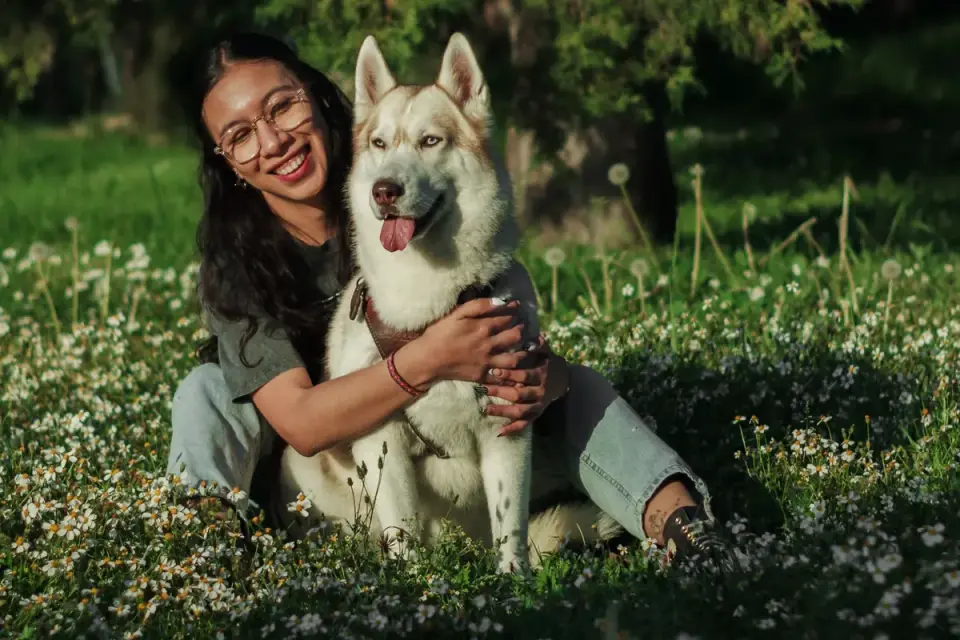
Last February I watched an 18-month-old Siberian Husky mix barrel out after an overnight 6-inch snowfall, owner with a chuck-it and big plans for a full hour. By the 20-minute mark the dog was still flying, but his recall had slipped a half-beat slow and snow was balling between his toes into hard walnuts. The owner called the fork right: quit the fetch, switched to three short nose games along the shoveled path, then went inside to dry feet. That reset saved the day from a limp that would have shown up that night.
Start with 5 minutes of leash walking to warm muscle. Keep hard sprinting to 5- to 10-minute blocks. Rest, check feet, then decide if you get another block.
Play the snow in 15-minute loops
Work in loops, not one long push. Walk 5, play 5, sniff 5.
Try these four, in this order. Keep cues short. Reward check-ins.
Plow-line fetch. Shovel a 30-foot lane and roll a ball down it instead of throwing high into deep drifts. Roll, chase, return.
Snow-maze recalls. Tramp a figure-eight in fresh snow and call the dog from loop to loop. It builds turning and braking without full-speed collisions.
Find-it buries. Let the dog watch you drop a toy, then drag your boot 10 feet and bury it 2 inches deep. Send with one cue. Raise depth only when success stays above 80 percent.
Tug-and-drop. Plant your feet, play 20 seconds of tug, cue drop, toss a handful of snow as the reset. Stop while the dog still wants more.
The ASPCA reminds owners to wipe paws and bellies after winter outings, and that matters here because road salt and packed ice hide in play areas. Carry a towel and a spare slip lead.
A 9-year-old, 62-pound Labrador taught me what not to do. Fit for his age, mad for snow, he got a classic mistake: 45 minutes of continuous downhill fetch into chest-deep powder because he never asked to stop. He ate two full meals that evening and still woke stiff, slow on stairs for three mornings, hind end sore to touch over the hamstrings. We had chased the high-drive game too long without breaks, and enthusiasm masked fatigue. Now I cap deep-snow retrieves at six throws per set for seniors and power breeds.
Pause every set. Look for lagging, wide turns, head bobbing, or sitting out.
Warm muscle, fed joint: what food can realistically do
I weigh what a supplement can realistically do for diet, mobility, and recovery, and snow play is a good test. Work increases energy need and microdamage, but no powder fixes cold, unconditioned muscle. What helps is baseline nutrition: complete and balanced food fed to lean body condition, adequate protein for repair, and enough calories to hold weight through winter.
I ground that integrative claim in the nutritional evidence summarized in the National Academies Nutrient Requirements of Dogs and Cats, which sets protein and essential nutrient floors for active dogs. Fish-oil omega-3s may help support normal inflammatory balance after exercise, but dose by body weight with your veterinarian and do not stack multiple joint chews. Feed the regular meal within a few hours after play, offer water first, then let the dog rest warm.
Keep sessions lean and warm. That is the whole nutrition strategy.
When the usual snow plan has to bend
Brachycephalic breeds, toy seniors, puppies under 6 months, and dogs with heart disease, collapsing trachea, or orthopedic rehab plans do not get the standard loops. Cold air and deep snow raise effort fast.
A 12-year-old, 14-pound terrier mix I follow makes the point. Arthritic carpi, thin coat, loves to burrow. On a 24-degree morning with crusty snow, we skipped fetch entirely. She got four 3-minute scent finds along a shoveled patio, a coat, booties for 10 minutes only, then inside for paw wash and a heated bed. Total outdoor time was 18 minutes across two outings, not one long walk. Her owner logs stairs and night restlessness, and we had zero flare nights that week because we traded distance for sniffing.
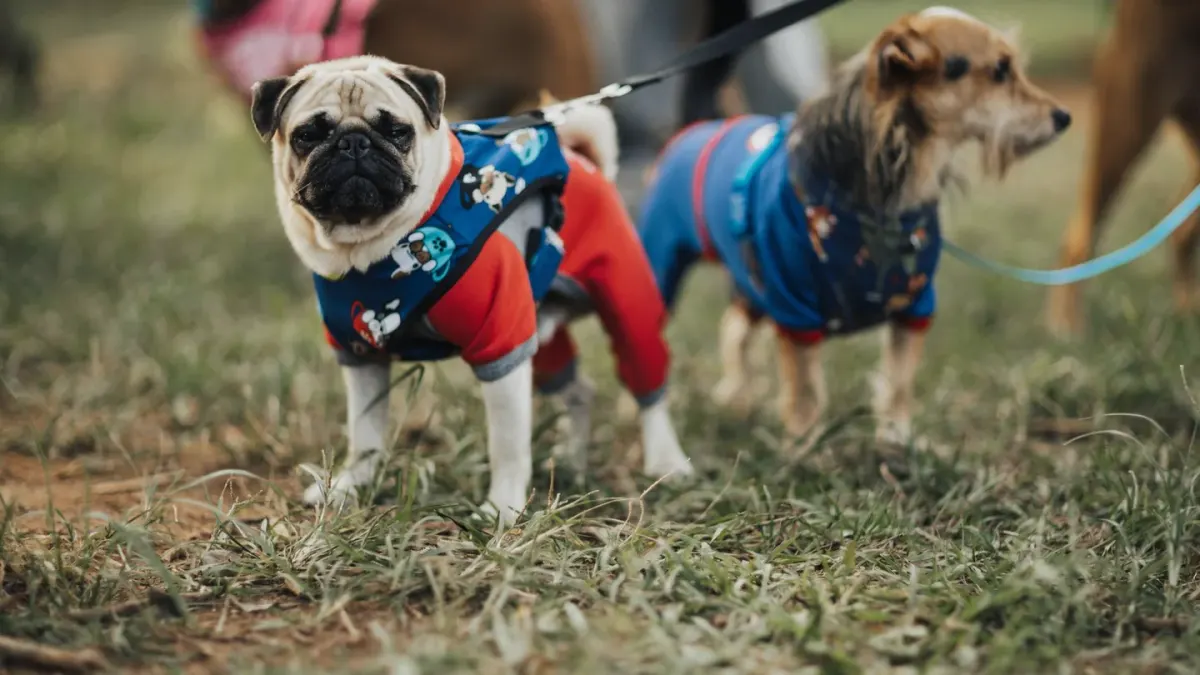
Use coats for lean, short-coated, very young, and senior dogs. Skip booties if gait shortens; try paw balm and cleared paths instead. For related indoor swaps, see our guide to Rainy-Day Activities When You Can’t Go Outside and the retrieve-control progressions in How to Use a Flirt Pole for High-Drive Dogs. If you play tug between snow sets, keep rules clean with Is Tug-of-War Good or Bad for Dogs?
Watch for trouble. The team at VCA Hospitals describes hypothermia signs from shivering and lethargy to stiffness and slow pulse. Go inside, dry, warm gradually, and call your veterinarian if shivering will not stop, gums look pale, or the dog seems dull.
Next storm, lay one lane, pack three toys, and run two tight loops before lunch. You will learn your dog’s real winter limit in a week.
Frequently asked questions
How long should a snow play session last?
Warm up 5 minutes, then play in 5- to 10-minute blocks with foot checks between. Most pet dogs do well with 15 to 30 minutes total; cut it short for puppies, seniors, small and flat-faced breeds, or windy days below freezing.
Do winter-active dogs need extra food or supplements?
Keep complete balanced food first and hold lean condition. Very active dogs in cold may need more calories, and fish-oil omega-3s may help support recovery, but set dose by weight with your vet and do not expect a chew to replace warm-up, fit play, and rest.
When should we skip snow games?
Skip hard play for icy footing, bitter wind, shivering or lifted paws, and for dogs with cardiac, respiratory, or new orthopedic issues unless your vet clears it. Swap to short scent games on cleared paths or indoor training instead.
Sources
- Cold-Weather Pet Safety — AVMA
- Cold Weather Safety Tips — ASPCA
- Nutrient Requirements of Dogs and Cats — Nutrient Requirements of Dogs and Cats