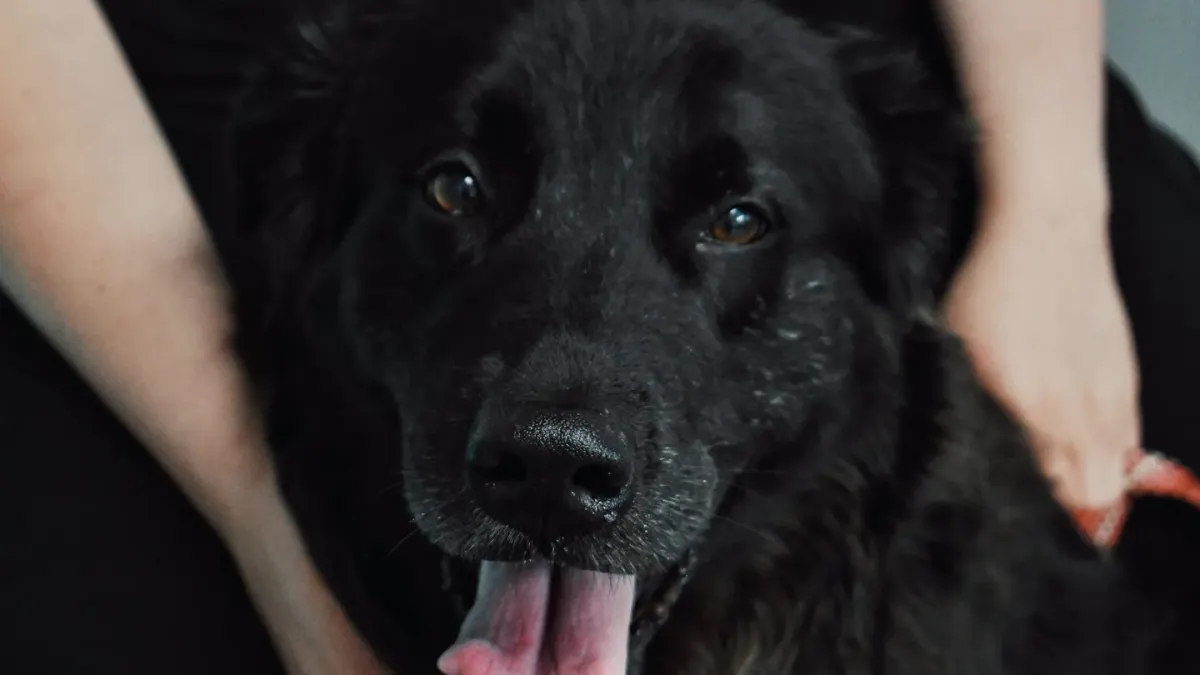
A 12-week-old, 16-pound mixed-breed puppy flattened herself behind her owner’s legs when a 6-year-old neighbor ran up shouting her name with arms wide. The owner felt torn in that second. Scoop the puppy up and leave, or let the child pet her and hope she warms up. In the exam room I hear this fork constantly, and my counsel is consistent. Do not force the greeting. Set the baseline with distance, then pay for curiosity. That one choice shapes whether kids predict fun or pressure.
That is my position on socializing a puppy with kids. Short, puppy-led exposures beat longer, child-led greetings for building comfort that lasts. The strongest counterargument is that puppies need to get used to real kid chaos, so owners should let children crowd, hug, and carry them early. I understand the worry about missing the socialization window. I still land on management first because flooding a fearful puppy may help support avoidance rather than confidence, and avoidance is harder to retrain than caution is to prevent.
Hold the greeting or shape it
Think of this as fit before function. You would not judge a harness before it fits, and you should not judge a puppy’s feelings about kids before she can move freely and feel safe.
Start every rep with a decision fork. Controlled setup or skip it. A controlled setup means the puppy is on a 6-foot leash or behind a baby gate, the child is seated or still, and you have pea-sized treats ready. If you cannot get all three, skip the rep. Prevention is the whole plan here.
The American Veterinary Society of Animal Behavior emphasizes early, positive socialization during the sensitive period, with care to keep exposures low-stress and puppy-led. That guidance fits kids perfectly. Brief looks, voluntary steps toward a calm child, and disengagement earn food. Climbing, chasing, or cornering ends the game quietly.
Calm wins.
What good gear actually does
I test gear on durability, fit, comfort, and value, and for puppy-kid intros fit and management matter more than brand. A flat buckle collar or well-fitted Y-front harness that does not ride into armpits lets you prevent jumping without a leash pop. A lightweight house line you can step on beats grabbing a collar. A gate or pen is your best value pick because it lets the puppy watch snack-time chaos and choose to settle.
For texture and timing help, my notes on Best Training Treats for Dogs: A Buyer’s Guide to Size, Value, and Ingredients cover why tiny, soft treats keep fast kid reps clean.
When trying harder backfires
Three weeks in, a family with a 4-month-old, 22-pound lab mix told me greetings were getting worse despite daily practice at school pickup. They were doing what many blogs advise. The dad held the puppy while each child in a rotating circle petted her head, then passed a chew while she was held. By day 10 she started twisting away, mouthing sleeves, and barking at backpacks. The observable change was avoidance at 8 feet where she had been curious at 15 feet. More handling was not building tolerance. It was renting compliance until she ran out of coping.
We changed the rubric. No holding for greetings. Kids tossed treats behind the puppy for moving away, which is a legal retreat. We moved practice to a quiet driveway instead of the school gate. We capped sessions at two minutes. The tradeoff was fewer reps per week, but each rep ended with loose body language instead of a struggle. If your puppy only relaxes when the session ends, the session was too much.

This is also where marker timing matters. A clear yes the instant your puppy glances at a calm child and looks back to you prevents the lag that rewards jumping instead. I compare options in Clicker vs Verbal Marker Word: Which One Should You Actually Use? and Hand Signals vs. Verbal Cues: Which One Should You Actually Train First?.
A two-minute script that holds up
Keep it preventive and boring on purpose. Child sits sideways, hands in lap. Puppy enters at 10 to 15 feet. Mark and treat glances, sniffs, and check-ins. Let the puppy close distance. If she offers a sit or leans in, the child can offer one slow chest scratch for two seconds, then hands back in lap. End while you are ahead.
The American Veterinary Medical Association reminds families that supervision means active intervention, not presence in the same room, and that children should not hug, ride, or corner dogs. I use that as our house rule. Adults manage space. Kids manage stillness. Puppies manage approach.
The edge case that changes the plan
By week five, a household with a 5-year-old twins setup and a confident 6-month-old, 31-pound herding mix hit a different problem. The puppy loved kids and began herding them. She circled, nipped heels, and barked when they ran screaming across the yard. No fear, just arousal with a timeline. It spiked after 4 p.m. when everyone was tired and loud. The owners worried obedience was failing, but the behavior was breed-typical movement triggered by running and squealing.
We did not add more greetings. We added structure around motion. Running games paused. Kids played statue when teeth touched skin. The puppy earned a mat with a chew during high-energy play, behind a gate at first. We booked a trainer for one private session instead of a busy group class, using the framework in Group Classes, Private Lessons, or Online Coaching: How to Pick the Right Training Format. Confidence needs brakes too.
For realistic timelines, expect polite kid manners to take weeks of micro-reps, not one good weekend. The Centers for Disease Control and Prevention notes that children are more likely to be bitten and that unneutered, unsocialized, or startled dogs carry higher risk, which is why sleep, pain, hunger, and teething days call for separation rather than training.
If you remember nothing else, remember this. Let distance do the heavy lifting, pay the puppy for choosing calm, and protect retreat every single time.
Frequently asked questions
How close should my puppy get to kids at first?
Start at the distance where your puppy notices kids but can still eat and look away, often 10 to 15 feet, then let her close the gap over short reps.
Should kids hand-feed my puppy to build trust?
Seated treat-tosses or dropping treats behind the puppy often work better than hand-feeding, because the puppy does not have to enter tight hand space to earn food.
What should we do if the puppy jumps or mouths?
Go still, redirect to a toy or scatter treats on the ground, then add distance or a gate. Avoid holding the puppy down for petting.
Sources
- Position Statements — American Veterinary Society of Animal Behavior
- Dog Bite Prevention — American Veterinary Medical Association
- About Dog Bites — Centers for Disease Control and Prevention