Long highway hours change how a dog moves, digests, and recovers, so road trip with dog activities should be built around circulation and calm rather than exhaustion.
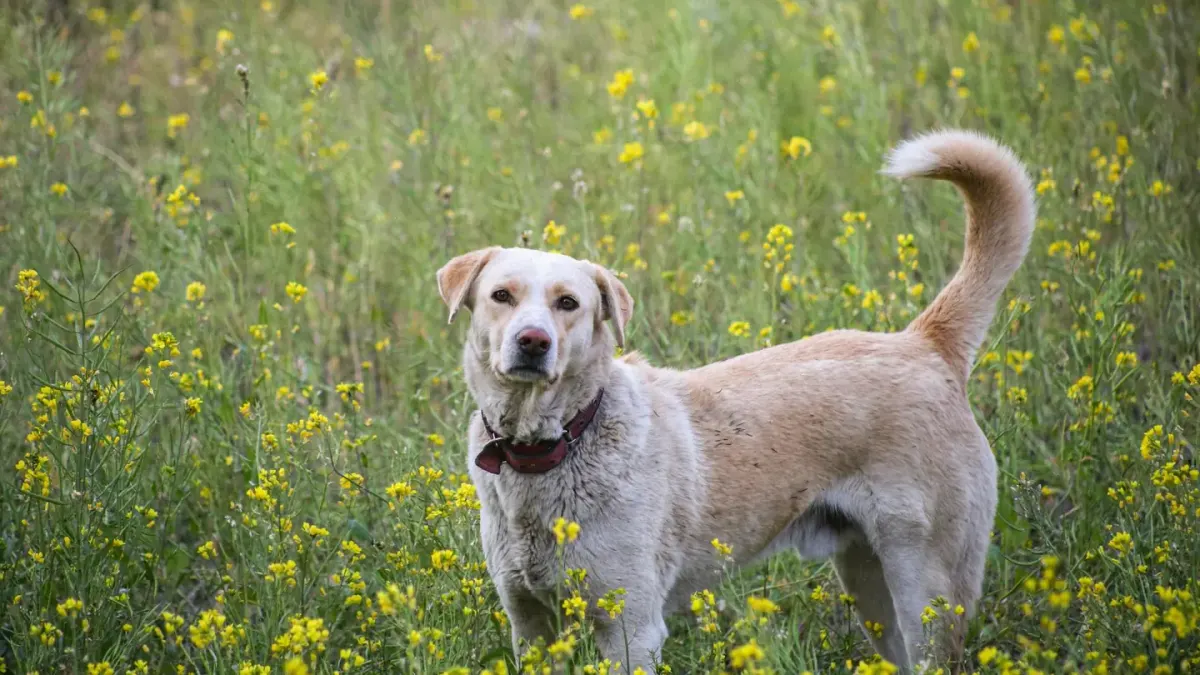
A 9-month-old mixed-breed dog, about 48 pounds and still loose and leggy, faced a 420-mile drive south with two adults worried he would either vibrate out of his crate or fall asleep and then explode at the hotel. At the first fuel stop they skipped the big grassy field and instead walked a 10-minute perimeter loop on leash, then let him sniff one shrub row for five full minutes before offering a third of his normal breakfast and water. His panting settled from rapid and open-mouthed to closed-mouth by the time they reloaded, and the owners decided then to repeat small sniff-and-walk blocks all day instead of saving everything for one big evening run.
That decision is the fork: drive straight through with one long play session at the end, or break the trip into short decompression blocks.
Stop to reset, not to tire out
Skeletal muscle stiffens with confinement, joint fluid circulates with gentle loading, and stress hormones rise with novelty and vibration. A short walk restores hind-limb stride length and encourages bowel motility; prolonged fetch at a strange rest area spikes arousal, raises injury risk on hot or slick footing, and often makes the next two hours in the car worse. I favor frequent low-intensity resets.
The American Veterinary Medical Association frames safe car travel around restraint, ventilation, and planned stops, which aligns with a sports-medicine view: protect the body first, then add enrichment.
In practice that means every 2 to 3 hours, park away from traffic, leash up, and do 8 to 12 minutes of walking at the dog’s pace plus 3 to 5 minutes of structured sniffing. Let the nose lead along a fence line, a row of trees, or a quiet path edge. Sniffing lowers locomotor speed while keeping the brain occupied, which is ideal in an unfamiliar place.
Keep the body moving, keep the brain busy.
For dogs that need more work, add training repetitions rather than distance: 10 to 15 treats for hand touches, U-turns, settle on a mat, or find-it games tossed in grass. If you want ideas for low-space impulse work, the principles in How to Use a Flirt Pole for High-Drive Dogs transfer well to parking-lot obedience — short bursts, clear stop cue, no all-out sprinting on pavement.
What food and supplements can realistically do on travel days
Travel does not change daily nutrient requirements, but timing and form matter for comfort. Motion, irregular meals, and stress can soften stool and reduce appetite. From a nutrition standpoint, I weigh what a supplement can realistically do for diet, mobility, and recovery as limited and supportive: adequate complete-and-balanced food, water, and rest do most of the work, while specific nutrients may help support normal gut and joint function during repeated loading.
Feed smaller, familiar meals. Offer one-third to one-half the usual meal at a midday stop, then the remainder after arrival and a short settle. Avoid new chews, rich treats, or a sudden switch to a travel-only diet. Bring the regular kibble and the regular training treats.
The National Animal Supplement Council emphasizes quality controls and label transparency for animal supplements, which is the right filter on the road: if you already use a joint or digestive product under veterinary guidance, continue it as labeled rather than starting something new at a gas station. What would change my mind is a randomized, placebo-controlled trial in traveling dogs showing a clear mobility or stool-quality benefit from a specific ingredient at a defined dose; without that, I do not expect a chew to offset missed stops, dehydration, or overexertion.
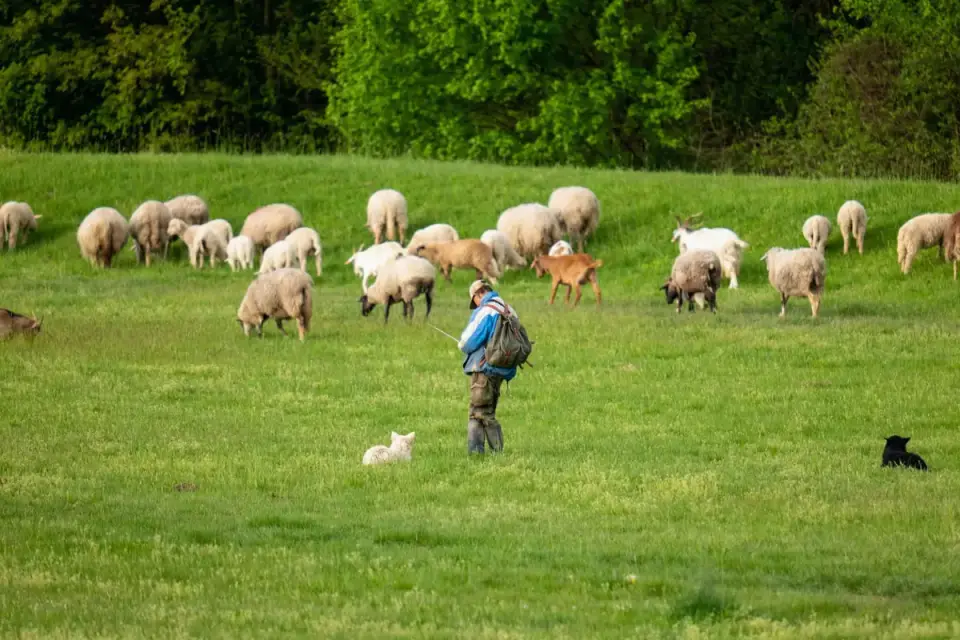
A lean 3-year-old herding mix, built for motion, taught his owners the tradeoff the hard way on a summer interstate trip. They had planned five quick bathroom breaks and one 45-minute evening fetch session to “get the energy out.” By stop four his recall was sharp but his turns were wide, his tongue stayed long after loading, and he drank in large gulps then skipped food. The evening field made it worse: sprint, slide on dry grass, sore the next morning with a shortened right hind stride on stairs. The next day they reversed the formula to six 10-minute sniff walks and two 5-minute training games, with no fetch, and he ate normally, passed normal stool overnight, and settled in the crate within minutes.
Heat, footing, and fatigue explain that pattern. Dogs dissipate heat primarily by panting and limited sweating through paw pads, so humid rest areas and asphalt raise thermal load quickly. Hard braking, jumping from a tall SUV, and repetitive ball chasing load shoulders, carpi, and iliopsoas without warm-up. Water play adds another variable: not every dog swims efficiently, and ingested water brings its own risks, as reviewed in Are All Dogs Natural Swimmers? What to Check Before the Water and How to Stop Your Dog From Drinking Salt Water at the Beach.
Choose shade, grass, and sniffing over pavement sprints. Carry water and a bowl, wet the groin and paws if the dog is hot, and watch for heavy panting that does not ease within 10 minutes of rest, drooling, vomiting, or reluctance to walk.
When the usual stop-and-sniff plan has to bend
An 11-year-old Labrador with radiographic hip arthritis and early morning stiffness joined a family for a three-day fall drive to visit relatives, with nights in two different rentals. The standard advice — more walks at every stop — would have left him worse. His owners instead kept him to four planned outings per day, each under 12 minutes on level grass, lifted him in and out of the car with a ramp, fed his normal diet on schedule, and gave him a quiet mat away from foot traffic at each house. Stiffness after rest dropped from more than 5 minutes of short steps to less than 1 minute by the second morning, and he chose to lie down rather than pace during the final 3-hour leg.
Older dogs, brachycephalic breeds, anxious adolescents, and dogs with gastrointestinal sensitivity need a modified template. Shorten walks, lengthen sniff time, protect sleep, and keep the routine predictable. The Centers for Disease Control and Prevention notes sanitation and disease considerations when traveling with pets, which supports the practical habit: avoid communal bowls, pick up waste promptly, keep vaccines and preventives current, and use a familiar crate or mat as a settle station.
For rainy arrivals or motel evenings with no yard, borrow indoor impulse control from Rainy-Day Activities When You Can’t Go Outside — nose games in a hallway, scatter feeding, and chew time — rather than pushing a late-night roadside run.
My recommendation stays narrow: frequent short movement, dedicated sniffing, small familiar meals, and protected rest will do more for diet, mobility, and recovery on a road trip than any single activity or supplement. Save the big hike for after you arrive and have had a night of normal sleep.
Frequently asked questions
How often should I stop on a road trip with my dog?
Plan a leashed walk, water, and bathroom break every 2 to 3 hours, with 8 to 12 minutes of easy walking plus a few minutes of sniffing in a safe grassy area away from traffic.
Should I feed a full meal during a long drive?
Smaller familiar meals are usually better tolerated. Offer a partial meal mid-trip and the rest after arrival, and avoid new treats or chews that can upset digestion.
What activities are safest at rest stops?
Leash walks, sniffing, and brief training games are safest. Avoid off-leash sprinting, fetch on pavement, and jumping from high vehicles, especially in heat.
Sources
- Traveling with Your Pet — American Veterinary Medical Association
- Quality Standards and Label Transparency — National Animal Supplement Council
- Keeping Pets Healthy When Traveling — Centers for Disease Control and Prevention