A neat poodle tail pom takes minutes to shape when tools and brushing order fit daily life.
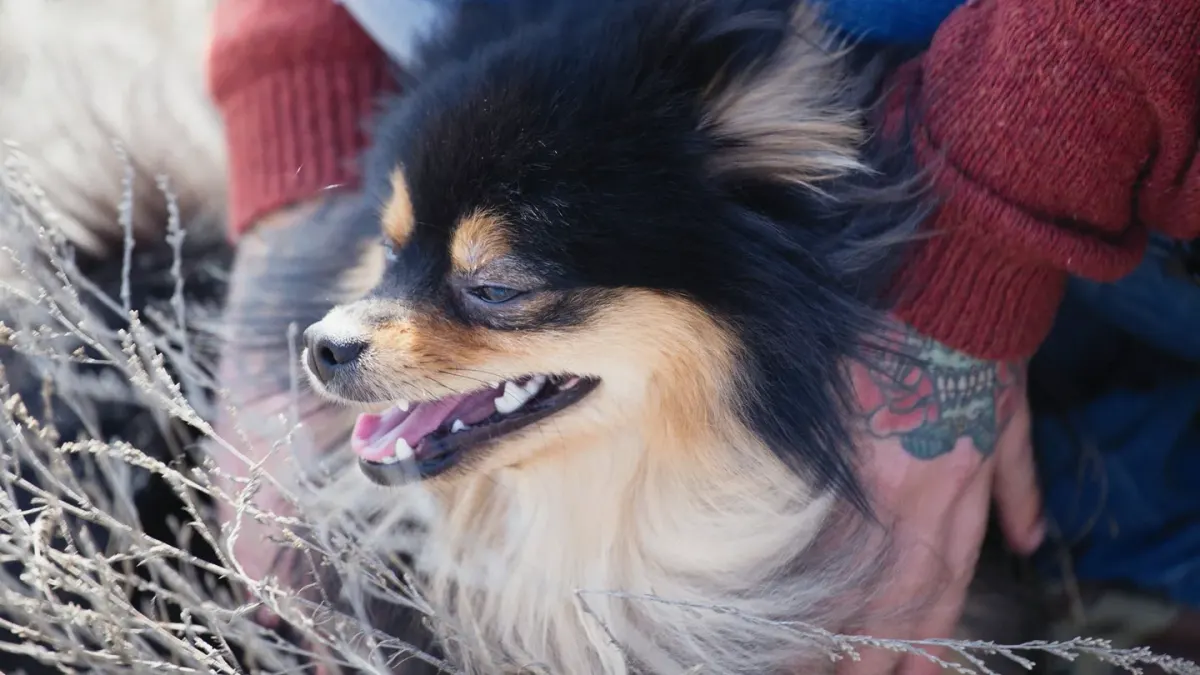
A poodle tail pom is a grooming decision, not a health requirement, and for most pet homes a shorter, even trim supports comfort and may help maintain mat-free skin with less daily work.
Shaped pom or short flag: pick your maintenance level
A common question is whether the round tail pom helps the coat in any way. It does not protect the skin by itself. What matters is density, length, and how often tangles are lifted out before they tighten at the base.
The American Kennel Club describes traditional Poodle clips with a shaved tail base and full pom, which is useful context: the show shape leaves a clean band near the tailhead, then a defined ball of hair toward the tip. That contrast looks crisp for a day or two, then the pom starts to expand, catch burs, and felt underneath if brushing slips.
For daily life, I sort choices into two lanes. Choose a full pom if someone in the house enjoys line brushing every two to three days and a bath-and-blowout every three to four weeks. Choose a short flag or natural tapered trim if the dog swims, hikes, lives with kids, or goes longer between appointments. That second lane is what I recommend for most pet poodles, and the coat biology explains why.
Owners weighing that fork can compare timing in How Often Should You Groom a Poodle? and the size-based effort tradeoffs in Grooming Needs by Dog Size: Small vs Large Breeds.
Why curly tail hair clumps when brushing skips a day
Poodle hair grows continuously and curls back on itself, so shed hairs stay trapped in the surrounding curl instead of falling away. The StatPearls outlines how hair cycles through growth and rest phases, which helps explain why a dense coat keeps gaining length and volume without seasonal shedding to clear it.
On the tail that mechanism shows up fast. Wagging rubs the underside against thighs and bedding. A collar or harness strap is not the issue here; friction plus curl is. Moisture from rain, snow, or a swim makes hydrogen bonds in the hair shaft reset in a tighter curve, so a damp pom dries smaller and denser than it looked wet.
Prevention is mechanical.
Lift to the skin with a slicker, then confirm with a steel comb that glides from base to tip without catching. If the comb stops, that spot needs splitting and gentle dematting before clippers or scissors come near it. Cutting over a tight mat risks tented skin, especially on the thin skin of the tail tip.

What keeps a home trim even between grooms
Keep the toolkit small and consistent. A small slicker, a fine-to-medium steel comb, blunt-tipped shears for shaping, and a #10 blade or guarded trimmer just for cleaning the tail base support a safer routine. Sharp, clean edges matter more than motor power for this one small area.
Work in the same order each time: dry detangle, bath only when coated with dirt or oil, full blow-dry while brushing in the direction of growth, then shape. Shaping a damp tail invites an uneven result because curl springs up as it dries. For help choosing between motorized and manual cutting tools, see Dog Clippers vs. Scissors: Which One Your Grooming Routine Actually Needs and How to Choose Clippers for Home Dog Grooming.
Five shapes cover almost every pet poodle:
A classic pom leaves one-half to one inch shaved at the base and a rounded ball, about golf-ball to tennis-ball size, at the end. It looks traditional and photographs well but needs comb-throughs every few days.
A lion tail keeps the base shaved longer and the pom fuller and higher on the tail. It suits owners who already maintain a lion clip on the body and accept frequent shaping.
A short flag leaves the whole tail one-half to one inch long and tapered, with no shaved band. This is my default for active dogs because debris rinses out and brushing takes minutes.
A natural tapered trim follows the tail outline at one to two inches, lightly rounded at the tip. It preserves the plume look with fewer harsh lines to grow out.
A sanitary tidy just clears the underside of the tailhead and trims stragglers that collect stool or sap. It pairs well with any of the above and supports hygiene between full grooms.
Use Fear Free handling throughout: short sessions, stable footing, frequent treats, and a stop point before lip licking or freezing escalates. In practice, vets often see tail handling become sensitive after one painful mat pull, so prevention protects behavior as well as skin.
What would change my advice? Strong evidence that a particular pom length improved skin airflow or reduced hot spots would move me toward prescribing it. Current evidence does not show that. Length changes maintenance burden, not skin health by itself, which is why lifestyle fit wins.
Would a shorter tail trim still feel like a Poodle to you if it cut brushing time in half?
Frequently asked questions
How often should I brush a poodle tail pom?
Every 2-3 days for a full pom, with a steel-comb check to the skin; shorter flags can often go longer if the comb still glides freely.
Should the base of the poodle tail be shaved?
Show tradition shaves a short band at the base for definition, but pet trims can skip it; keep the area clean, dry, and free of tight hair instead.
Sources
- Hair Growth — StatPearls