On this page
A family in my clinic waiting room once told me they’d chosen their puppy off a photo — a fluffy Bernese-mix face on a rescue site — and had no idea they’d signed up for near-daily brushing sessions for the next decade. Six months in, mats had formed behind the ears and along the hind legs, tight enough that we had to shave sections out under sedation. That’s the fork most new owners hit without realizing it: coat type, not breed popularity or size, is what decides whether grooming becomes a five-minute weekly habit or a real chunk of your week.
Why “low maintenance” and “high maintenance” aren’t about breed size
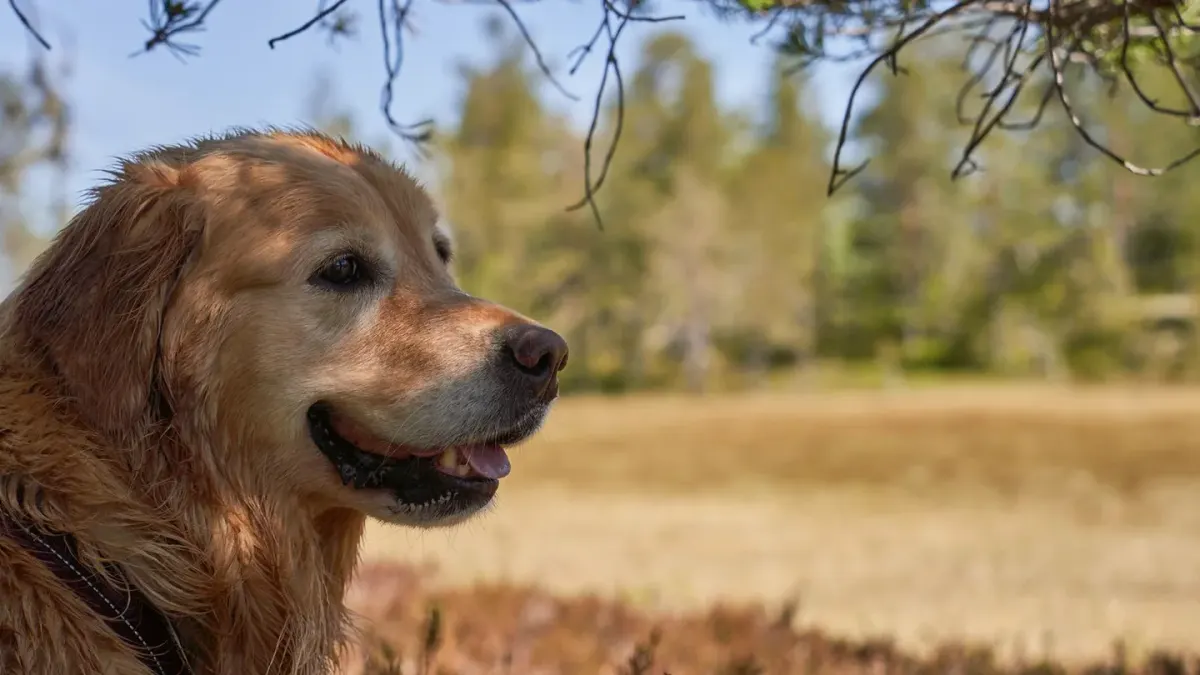
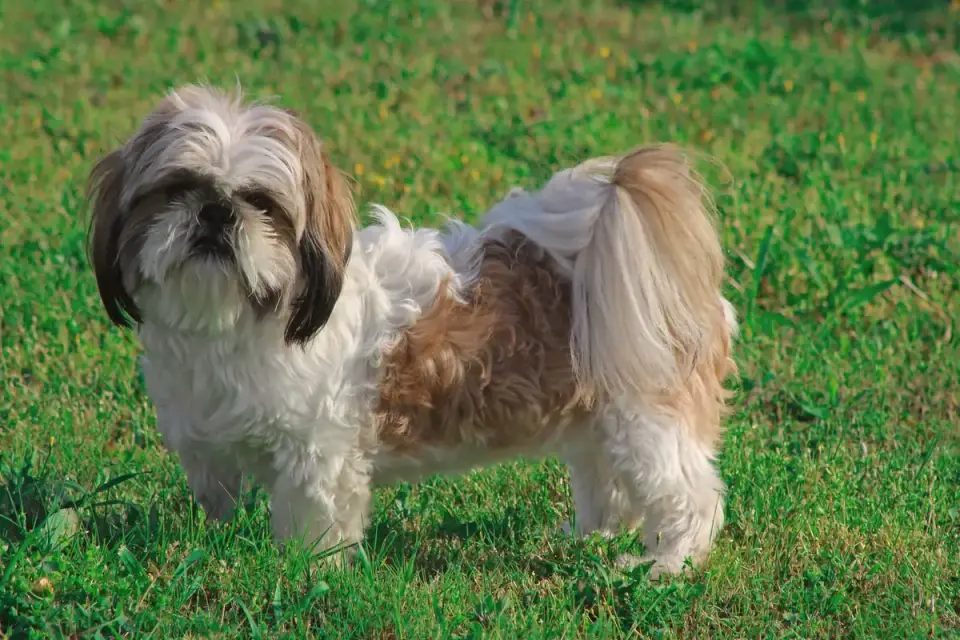
It’s tempting to assume small dogs are easier and big dogs are harder, but that’s not how coat biology works. A short-haired Boxer and a long-haired Shih Tzu are both under 30 pounds, yet one needs a wipe-down and the other needs daily detangling. What actually predicts the workload is coat structure: single coat versus double coat, and hair length and texture within each. Single-coated dogs, like Chihuahuas and many Poodles, have one layer of fur and no insulating undercoat. Double-coated breeds — Golden Retrievers, German Shepherds, Huskies — carry two: a coarser protective topcoat and a soft, dense undercoat underneath, according to What Is a Double Coat, and What Dog Breeds Are Double-Coated?: AKC’s guide to double-coated breeds.
That structural difference is the whole ballgame. Single coats tend to shed in a low, steady trickle year-round and usually need less brushing but sometimes more frequent bathing to manage oil buildup. Double coats do the opposite: they hold steady most of the year, then “blow coat” twice seasonally, dumping a startling volume of undercoat over a few weeks. In between blowouts, a double-coated dog can go longer between baths — but it still needs regular brushing, because that undercoat mats close to the skin if it’s ignored.
The mistake I see owners make with double coats
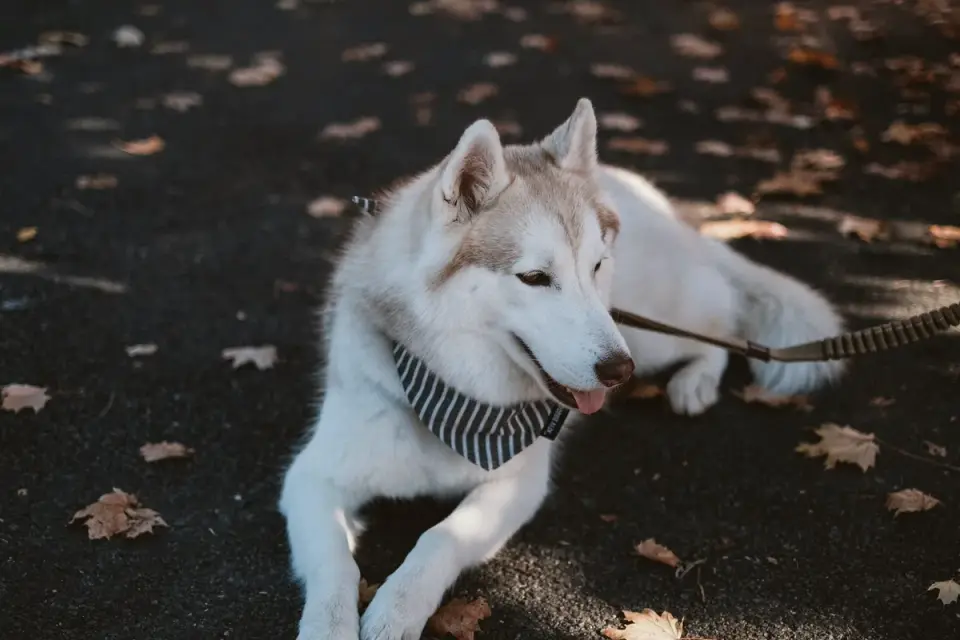
I’ve watched this play out more than once: an owner with a double-coated dog gets frustrated by a hot summer and has the dog shaved down “for relief,” thinking they’re solving both the heat and the shedding problem in one visit. Neither happens. The undercoat isn’t just insulation against cold — in warm weather it traps a layer of cool air against the skin and helps the dog regulate temperature, the same way it keeps them warm in winter. Shaving that structure off doesn’t reduce shedding meaningfully, and it can damage the topcoat badly enough that regrowth takes up to two years, sometimes patchy or incomplete, per How Should You Groom a Double-Coated Dog? What to Know: AKC’s explainer on grooming double-coated dogs. I still see owners request it every summer, and I understand the instinct — a matted, overheated dog looks miserable — but the fix is brushing frequency, not the clippers.
That’s the low-maintenance-versus-high-maintenance line in practice: it’s not about whether a dog has “more hair,” it’s about whether that hair is structured to trap and mat, and whether the owner is honest with themselves about keeping up with it.
What actually separates an easy coat from a demanding one
Short, single coats (Boxer, Beagle, Dalmatian) are the closest thing to low-maintenance in dogs: a weekly brush to lift loose hair and distribute skin oils is usually enough.
Long, single coats (Maltese, Yorkie, Afghan Hound) look glamorous but sit near the high-maintenance end — no undercoat to trap dirt, but the length tangles fast and usually needs brushing every day or two plus routine trims to prevent matting.
Double coats (Golden Retriever, Husky, German Shepherd, Corgi) are moderate most of the year — a couple of sessions a week with the right tool — and genuinely demanding for a few weeks twice a year during a full blowout, when daily brushing is the only thing that keeps pace.
Wiry and curly coats (terriers, Poodles) fall somewhere in between: they shed less visibly around the house, which reads as “easy,” but they usually need professional trimming or hand-stripping on a schedule, so the maintenance shows up as cost and appointments rather than daily brushing.
None of this replaces knowing your own dog. A senior dog with arthritis may tolerate brushing sessions differently than a young, wriggly puppy, and a dog with skin allergies can mat faster than the breed standard would suggest. If matting is already established and tight to the skin, that’s a job for clippers and a professional, not a home dematting comb — pulling at established mats hurts and can tear skin.
Building a routine instead of guessing
Brushing tool choice should follow coat type, not habit: slicker brushes and undercoat rakes for double coats, pin brushes and combs for long single coats, and grooming mitts or rubber curries for short coats. If you’re still deciding whether trims and de-matting belong in your own hands or a professional’s, our guide on At-Home Grooming vs a Professional Groomer walks through where the line usually falls. Bath frequency interacts with coat type too — double coats generally tolerate longer stretches between baths than people expect, which our piece on How Often Should You Bathe a Dog? covers in more detail. And once you’ve settled on a brushing rhythm, nail and dental care tend to be the other two recurring habits owners underestimate; see How Often Should You Trim a Dog’s Nails? if that’s the next gap in your routine.
In my practice, the dogs that end up sedated for mat removal are almost never the ones with the most hair — they’re the ones whose owners didn’t know their coat type needed a different rhythm than the last dog they owned. A rescue mix with an undiagnosed double coat, a retriever puppy whose owner assumed “puppy fluff” would stay easy forever, a terrier whose wiry coat nobody told them needed stripping every few months — the pattern is always a mismatch between expectation and coat biology, not a lack of love or effort. The fix is almost embarrassingly simple once someone names it: identify the coat type honestly, match the tool and frequency to it, and treat brushing as a fixed weekly appointment rather than something you get to when the mats show up.
So before you fall for a coat because it’s beautiful in a photo, ask what it actually asks of a Tuesday evening in your house. Is a five-minute daily habit something you’ll actually keep up with for the next twelve years, or would you rather trade a shorter, low-maintenance coat for less daily upkeep?
Frequently asked questions
Is a double-coated dog automatically more work than a single-coated one?
Not automatically — double coats are often moderate for most of the year and only become heavy work during the twice-yearly blowout. A long, single-coated breed with no undercoat can require more consistent daily brushing overall.
Does shaving a double-coated dog make summer easier?
No. The undercoat helps regulate temperature in both directions, and shaving can damage the topcoat badly enough that regrowth takes up to two years and may come back patchy.
What's the single best predictor of how much brushing a dog needs?
Coat structure — whether it's single or double-coated, and how long the hair is — matters far more than the dog's size or breed popularity.