When rain keeps you inside, short sniffing games can protect comfort and calm without tiring sore joints.
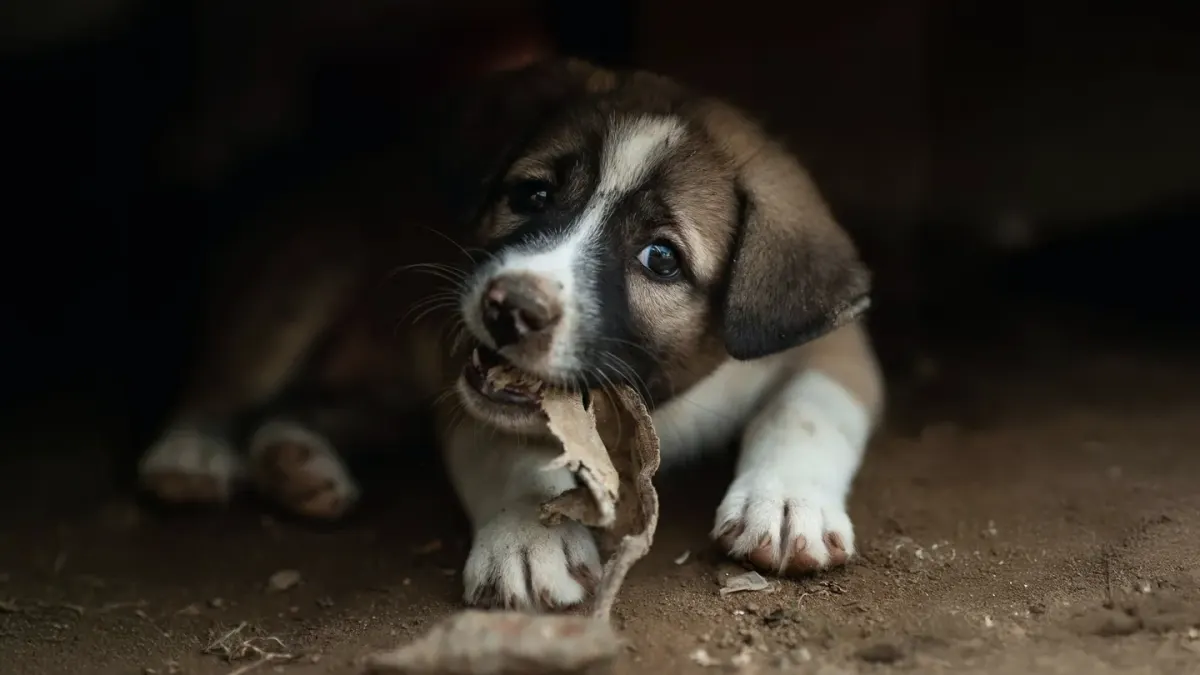
Janice watched Dolly, her 9-year-old West Highland White Terrier, pace from the back door to the rug in Kenosha while rain traced the windows. Dolly was not asking for a long walk so much as asking for something to do, and Janice worried that a restless afternoon would end with sore legs and a long night.
That worry points to the rainy-day fork every owner faces, whether to chase tired legs with indoor fetch or to feed the nose with slower work. For comfort, especially in older or stiff dogs, the nose usually wins.
When the walk shrinks, let the nose lead
Sniffing is low-impact by design. The dog can stand, sit, or lie down, move a few steps, pause, and choose the pace. Vets often see that choice matter on wet days, when slippery steps and cold air make an older dog hesitate at the threshold and the family hesitates too.
There is good reason dogs settle after scent work. Dogs gather detailed information through odor, and the nose is a working pathway to how a dog feels in a room. A short game may help support calm and quality of life, not by wearing the body out but by giving the brain a job that ends with rest. This plan does not rely on longevity supplements tested in people, such as the algae-oil omega-3 dose (1397 mg docosahexaenoic acid and 749 mg eicosapentaenoic acid for 8 weeks in adults mean age 69) reported in Nutrition Research.
This is the quality-of-life trade to keep. A quick fix would be ten minutes of hallway fetch until Dolly pants. A comfort-first plan is ten minutes of finding, then a warm bed.
Three quiet games that respect tired joints
Start with food the dog can find without jumping, slipping, or guarding. Use part of dinner rather than extra treats, keep pieces pea-sized, and stay close enough to prevent chewing towels or cardboard. Many dogs do well with three to five finds, then a pause.
Try the muffin-tin search first. Place a few kibbles in a muffin tin, cover some cups loosely with tennis balls or crumpled paper, and let the dog nudge covers aside. It rewards sniffing and gentle problem solving from one rug.
Next, roll a dry hand towel with kibble tucked in the folds. For dogs new to snuffle mats and lick mats, a loose towel roll is easier to read and easier to reset. Tighten the roll only if the dog stays relaxed and keeps sniffing rather than shredding.
Then build a three-box trail down a hallway. Set out three open boxes, scent one with a treat while the dog watches from behind a baby gate, then invite the search with a soft cue. This is the same principle behind many food-dispensing puzzles, short effort, clear odor, and a defined end.
Rest is also enrichment.
For dogs that cannot exercise for a while, the same pattern holds on a smaller scale, as described in guidance on how to mentally tire a dog without walks. One game, water nearby, then no more asks.
When to shorten the game
Stop while the dog still wants one more. Panting that does not settle, lip licking, turning away, pacing between finds, or stiffness on rising suggest the nervous system has had enough. Older dogs may show it quietly, by lying down mid-game or watching rather than seeking.
Keep sessions to about five minutes, once or twice on a rainy day, with at least an hour of rest between. Avoid scented oils, essential oils, or strong spices, and skip games that require jumping over furniture or racing on slick floors. If coughing, limping, vomiting, or unusual lethargy appears, settle the dog and call the veterinary team rather than pushing through.
The recommendation stays simple. On a rainy day, choose nose over mileage, end early, and measure success by the sigh afterward. For Janice and Dolly, that meant two towel finds, water, and the rug by the window until the rain passed.
Sources
- Algae-oil omega-3 supplementation for 8 weeks in older adults — Nutrition Research