On this page
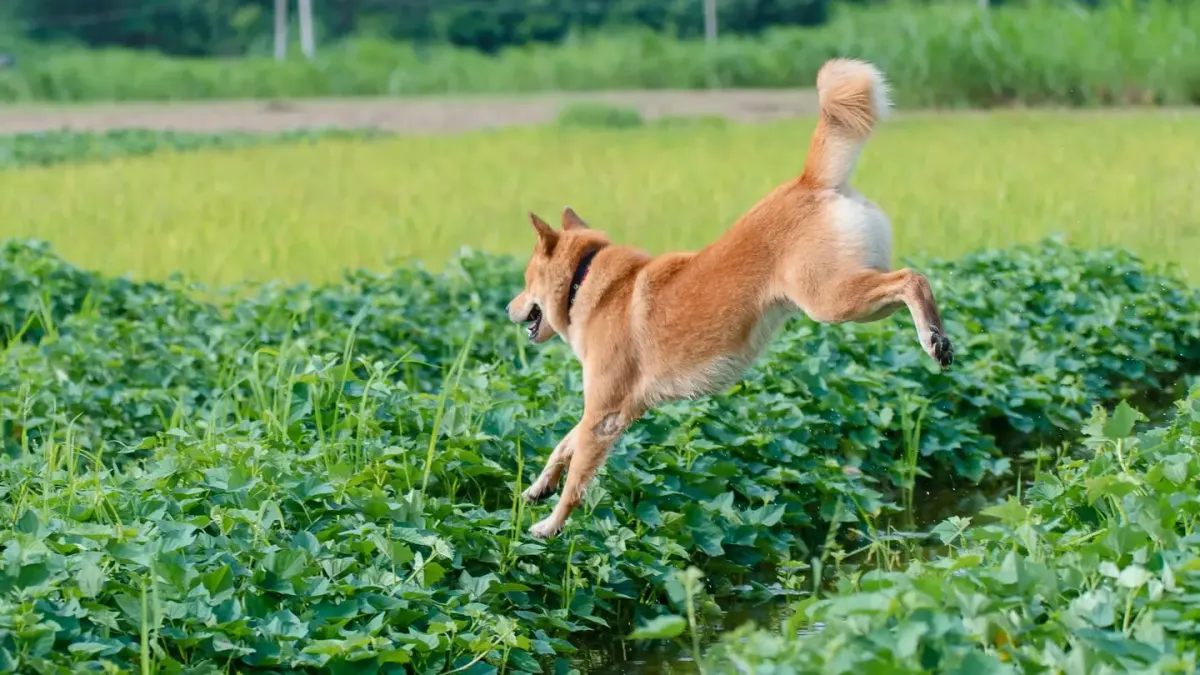
Tuesday at 6 a.m., a 2-year-old 48-lb mixed-breed herding dog is already circling the kitchen island, nails clicking, settling for three seconds before popping up again. His owner has 18 minutes before a commute, not the 60-minute trail loop they imagined when they adopted him. The choice is not exercise or guilt. It is which 15 minutes actually lower arousal and protect joints, and which just add panting without payoff.
The 15-minute fork: drain energy or build fitness?
That fork matters because adult pet dogs vary widely in baseline needs, and short bouts work when they are structured. The American Kennel Club notes that age, breed, and health shape daily requirements, with many active adults needing well over 30 minutes broken into sessions rather than one long outing. For a time-crunched owner, that means splitting effort into movement, nose work, and controlled strength instead of chasing exhaustion.
I prioritize interval walking over a steady slog. Two minutes of brisk heel, one minute of sniff-and-scatter, repeat for 12 to 15 minutes, gives you aerobic work plus mental decompression. Add two 30-second tug or retrieve bursts on grass with a sit to start and a drop to stop, and you have tested the whole dog.
As a nutritionist I get asked where food and joint supplements fit here. They do not replace movement, and they do not burn energy for you. At best they may help support normal diet adequacy, mobility comfort, and recovery nutrition around training — protein for lean tissue, omega-3s and joint-support nutrients as part of a balanced plan — and the case for any extra rests on whether the base diet is already complete.
Why fetch-only failed for one busy terrier
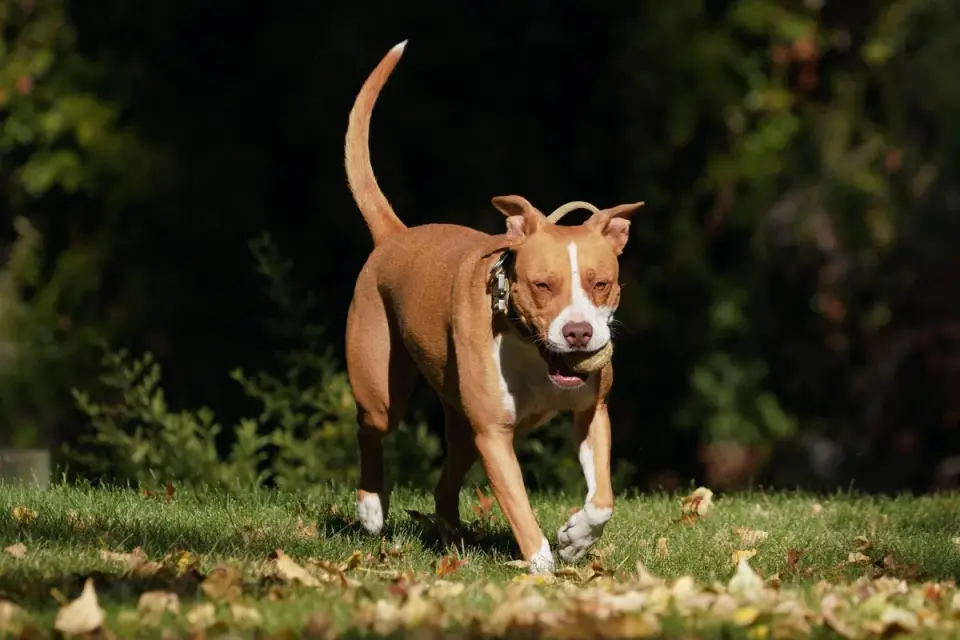
Last fall I followed up on a 4-year-old 22-lb terrier mix getting four 10-minute backyard fetch sessions a day, 28 throws per session on dry turf. The owner reported worse evening zoomies by night three, plus forelimb stiffness after sliding stops. We had built repetitive sprint load without brakes, sniffing, or trunk control. The tradeoff was predictable in hindsight: arousal stayed high because every rep cued chase, and shoulders absorbed all the deceleration.
We kept the time budget but changed the rubric. Three fetch throws, then a 90-second food scatter in grass, then a 45-second tug with rules. Total still 12 minutes.
Short bouts demand better footing and better stops.
That is where structured strength helps more than extra miles. VCA Hospitals emphasizes matching exercise type and intensity to fitness and health status, building gradually and watching for fatigue, lameness, or heavy panting. In practice that means warm up two minutes, keep high-impact reps low, and end while the dog still wants one more.
When the usual plan has to bend for age and joints
A 9-year-old 71-lb Labrador taught me the other version. His owner wanted to keep their 2-mile morning power walk, but the dog started lagging at 0.6 miles and needed 20 minutes to lie comfortably afterward. The answer was not to push through or to quit moving. We bent the plan toward low-impact fitness: 10 minutes of leash walking on soft ground, three 20-second stand-to-sit sets for hind-limb strength, then five minutes of nose work in leaf piles instead of the second mile.
For seniors, puppies, brachycephalic breeds, and dogs with cardiac, orthopedic, or metabolic disease, intensity is a medical decision first. Check with your veterinarian before interval or flirt-pole work, keep sessions cool and leashed, and treat sniffing, training, and puzzle feeding as real exercise on recovery days. My explainer on mental exercise vs. physical exercise for dogs lays out when to swap nose work for miles, and my guide to how to use a flirt pole for high-drive dogs shows how to add rules and rest so drive does not outrun joints. For social dogs, a short structured game of tug-of-war often settles more than another frantic lap.
The recommendation: a 10-20 minute template that holds up
Pick one cardio piece, one nose piece, and one control piece. Example: 8 minutes brisk-sniff intervals, 4 minutes scatter or find-it, 3 minutes tug with start-stop cues, 2 minutes cool-down sniff. Rotate surfaces, keep water available, and log lameness, coughing, or next-day soreness like you would score gear for fit and comfort.
Supplements stay in a supporting role. Ground any integrative claim in nutritional evidence, feed a complete diet first, and view extras as may-help-support for recovery rather than promised performance.
Frequently asked questions
Is 15 minutes enough to exercise a dog?
For many adult dogs it can maintain behavior and fitness if it is brisk, structured, and includes sniffing plus 1-2 short strength bursts, with longer sessions on days off. Puppies, athletes, and high-drive breeds usually need more total time across the day.
What is the best short workout when I have no time?
Try 8 minutes of brisk walk intervals, 4 minutes of food scatter or find-it, and 3 minutes of cued tug with sits and drops, then a 2-minute sniff cool-down. Stop while the dog still wants more.
Should I exercise a senior or sore dog the same way?
No. Shorten distance, favor soft footing and nose work, add brief body-weight strength like stand-to-sit, and check with your veterinarian about pain, heart, or breathing limits if you see lagging, lameness, or slow recovery.
Sources
- How Much Exercise Does Your Dog Need? — American Kennel Club