On this page
Ninety-two degrees on the sidewalk thermometer, and I still watched a client walk her lab mix down a sun-baked stretch of asphalt at two in the afternoon. That’s not a judgment — most owners genuinely don’t know pavement can run 40 to 60 degrees hotter than the air above it. It’s the kind of gap that sends dogs into my exam room with blistered, sloughing pads that take weeks to heal.
Paw pads aren’t just tough leather. They’re specialized skin with a fatty cushioning layer, and like any skin, they crack, burn, thicken, and get infected when the conditions are wrong. Caring for them well isn’t complicated, but it does mean building a few checks into your routine rather than treating pad problems as something you notice after the fact.
Check pads before you check anything else
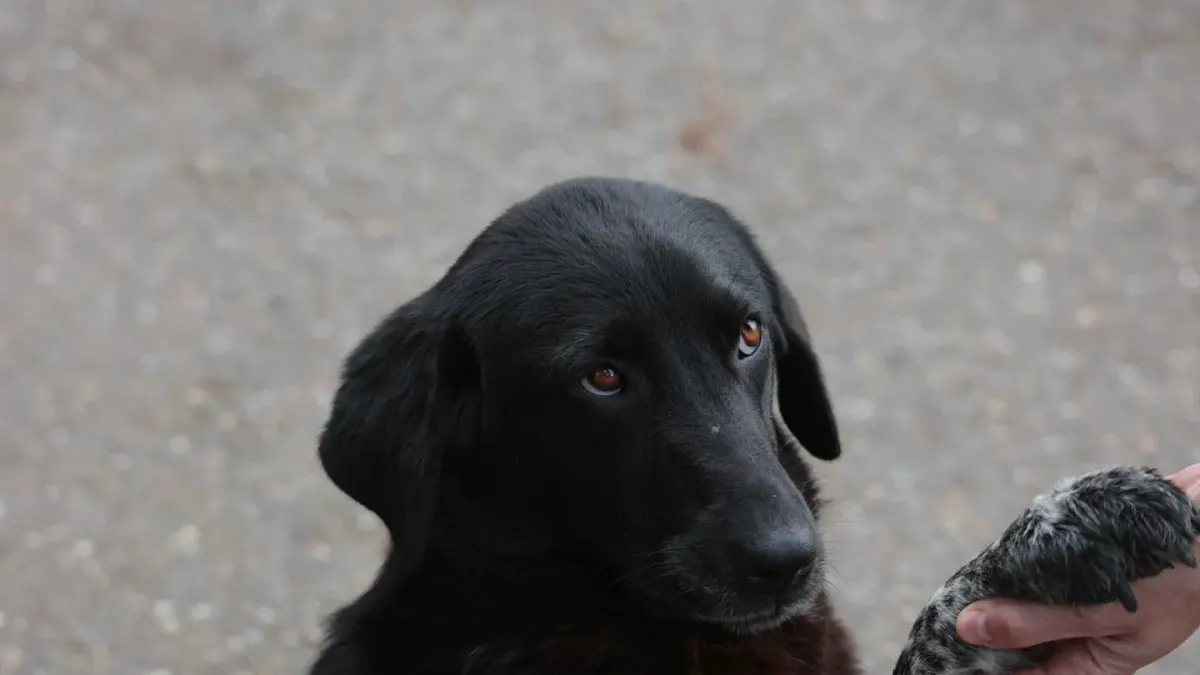
I tell clients to make pad checks part of the same routine as a nail trim or a coat brush — not a separate chore, just folded into whatever you’re already doing hands-on with your dog. Gently spread each toe and look at the pad surface: is it smooth, or starting to look cracked and waxy? Is there anything wedged between the toes? Dogs can’t tell you a pad is sore, so a limp, excessive licking of one foot, or reluctance to walk on a certain surface is often the first sign something’s wrong.
This matters more for some dogs than others. Breeds prone to PetMD: paw pad hyperkeratosis — Labradors, Golden Retrievers, English Bulldogs, and Cocker Spaniels show up disproportionately — develop thickened, overgrown keratin on the pad surface that can crack and become a route for infection if it’s left unmanaged. If you own one of these breeds, a monthly close look is worth the two minutes it takes.
The seven-second test still works
If you want one rule to actually follow every summer, this is it: press the back of your hand to the pavement and hold it there. If you can’t keep it down for seven seconds, it’s too hot for your dog’s feet. Pavement doesn’t need to feel unbearable to you for it to damage a pad — dogs can sustain burns in under a minute on surfaces above roughly 125°F, and that threshold gets hit far more often than people assume once the air temperature clears the mid-80s.
Timing solves most of this without any gear at all. Early morning and after-dark walks avoid peak pavement heat almost entirely. When timing isn’t an option — a midday vet visit, a work schedule that only allows afternoon walks — booties or a wax-based paw balm add a real layer of protection, but neither replaces just staying off hot surfaces when you can. I’ve had owners tell me their dog “runs fine” on hot concrete and take that as reassurance; adrenaline and distraction mask pain in dogs more than people expect, so a dog that seems unbothered isn’t necessarily unhurt.
Winter brings a different set of hazards
Cold-weather pad care is really about two separate threats: ice buildup and de-icing chemicals. Snow packs into tight balls between the toes and pads, which is uncomfortable at best and can pull hair or nick skin when a dog tries to bite or dig it out. Keeping the hair between the pads trimmed short is one of the simplest preventive steps, and it’s a habit the AKC specifically recommends for winter.
Road salt and de-icing chemicals are the second problem. No commercial ice-melt product is fully safe for dogs — residue can dry out or crack pads on contact, and licking it off afterward can cause GI upset. Rinsing paws with lukewarm water after every winter walk, then drying thoroughly between the toes, clears that residue before it has time to do damage. If your dog tolerates them, boots sidestep the salt issue entirely; if not, a paw wax applied before the walk gives some of the same protection.
What I’ve watched happen when this gets skipped
I once treated a nine-year-old beagle, about 24 pounds, whose owner brought him in because he’d started refusing his usual evening walk — stopping halfway down the driveway and sitting down, which wasn’t like him at all. It turned out to be late July, and they’d been walking the same asphalt loop at 3 p.m. for two weeks straight because that was the only gap in her schedule. Both front pads had a raw, glossy look with the surface layer starting to peel at the edges — a classic pattern for repeated low-grade thermal irritation rather than one acute burn. We restricted his walks to grass for about ten days, switched the family to early mornings, and the pads recovered on their own. Nothing dramatic, no medication needed — just a scheduling fix. But it’s the kind of case that sticks with you, because the dog had been telling his owner something was wrong for at least a few days before she connected it to the pavement.
Cracked, thickened, or slow-healing pads need more than home care
Home care covers a lot: trimming excess fur, rinsing off salt or debris, applying a vet-recommended balm to a mildly dry pad, and staying off surfaces that are too hot or too rough. It does not cover a pad with a deep fissure, active bleeding, swelling, or a wound that hasn’t started closing within about a week. Those situations, along with any suspected chemical burn or a pad that’s rapidly thickening, warrant a same-week vet visit rather than a wait-and-see approach — cracked pads that develop deep fissures can become entry points for bacterial infection, and that’s a different problem than surface dryness.
If your dog is due for other grooming attention anyway, pad checks pair naturally with a broader routine — see our guides on how often to bathe a dog and on grooming needs by dog size for how paw care fits into the bigger picture.
Where this leaves you
Most of what protects a dog’s paw pads costs nothing: a seven-second hand test before a summer walk, a quick toe-spread check after a winter one, and paying attention when your dog’s gait changes. Boots and wax genuinely help on top of that. They’re not a substitute for it. If you already handle nail care or coat trims yourself, our at-home grooming versus professional groomer breakdown and our nail grinder guide cover the adjacent routines that tend to reveal pad issues early, simply because you’re already down there looking. What’s actually stopping you from building a thirty-second pad check into the routine you already have?
Frequently asked questions
How hot does pavement need to be to burn a dog's paws?
Pavement above roughly 125°F can burn paw pads in under a minute, and that threshold is often reached once air temperature clears the mid-80s, even if the day doesn't feel extreme to you.
Is paw wax enough protection for hot pavement or winter salt?
Wax and booties add a real layer of protection, but they work best alongside good timing — walking early or late in summer, rinsing paws after winter walks — rather than as a replacement for avoiding the hazard.
Which dogs are more prone to paw pad problems?
Labrador Retrievers, Golden Retrievers, English Bulldogs, and Cocker Spaniels show up disproportionately with paw pad hyperkeratosis, so a closer monthly check is worth it for these breeds.