House train your 3-year-old rescue like a new puppy, with hourly breaks until he earns more freedom.
Thomas expected Twiggy, his 6-year-old spayed terrier mix from Springfield, Missouri, to settle in quietly. Instead she paced to the back door, then urinated in the hallway twice in her first four days home. He wondered if she was being stubborn or had never really lived indoors.
Vets often see this same confusion in newly adopted adults. The dog is not spiteful and is rarely fully reliable yet. New home, new smells, new schedule, and leftover shelter stress can all interrupt previously learned habits. My recommendation is firm on this point: treat every 3-year-old rescue like an untrained puppy for the first two to three weeks, with no assumptions about prior training.
The decision in front of you is simple. Assume the dog knows the routine and correct mistakes after they happen, or assume he knows nothing and prevent mistakes before they happen.
Prevention wins. Adult dogs usually learn faster than puppies because they have better bladder control and can read human routines, but only when we give them a clear, repeatable pattern first.
Assume zero training or risk slow progress?
Starting from zero feels backward for a grown dog. It is actually the fastest path.
An adult reset means scheduled outings every two to three hours during the day, plus first thing in the morning, after meals, after play, after naps, and last thing at night. Keep the dog leashed to you or in sight when loose, and use a crate or small gated area for short rest periods when you cannot watch. The guidance from ASPCA follows this same puppy-style structure for adult dogs, emphasizing supervision, consistent timing, and reward for going in the right place.
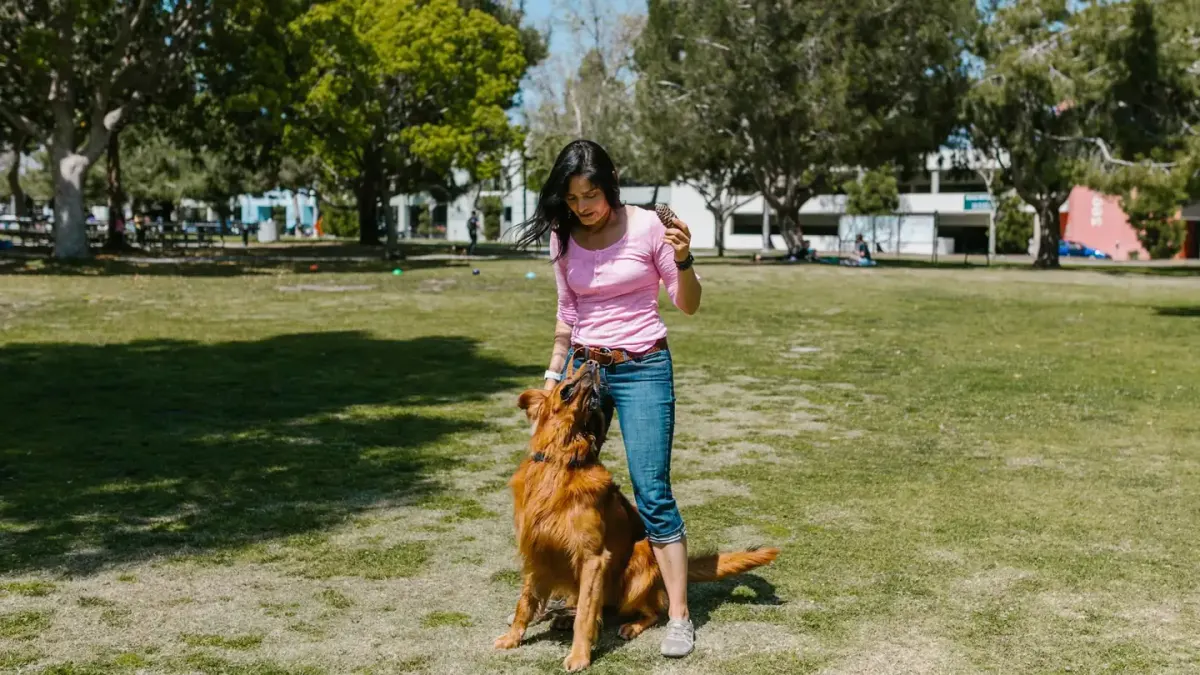
Reward matters more than correction. Go out with the dog, wait quietly, then praise calmly and offer a small treat within three seconds of finishing outdoors. That timing helps support a clear association between the outdoor spot and the good outcome. For help picking a low-mess reward, see Best Training Treats for Dogs: A Buyer’s Guide to Size, Value, and Ingredients.
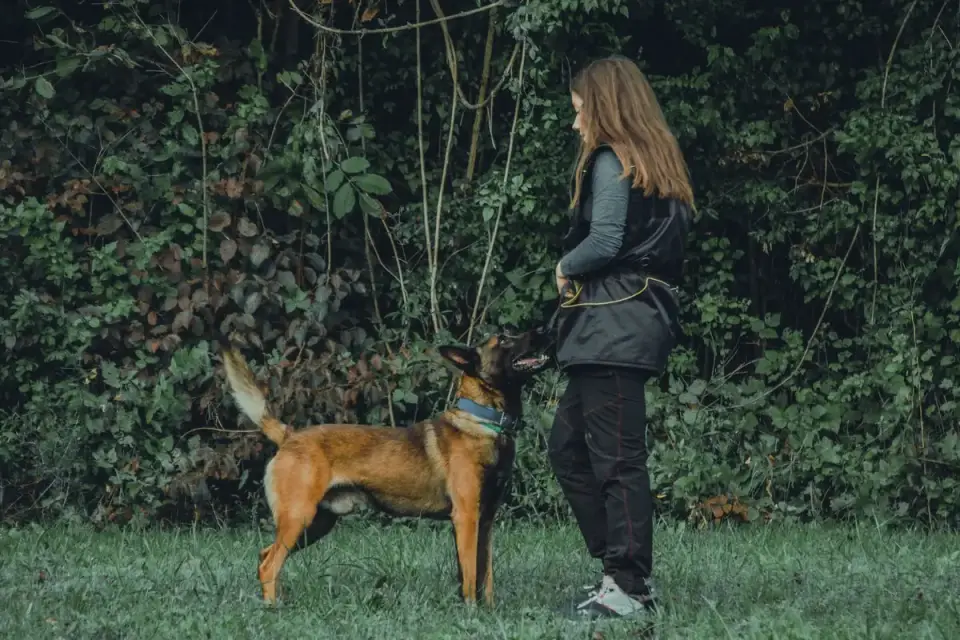
Never punish for an indoor accident. Startling, scolding, or rubbing the nose in it may increase anxiety and hiding without teaching where to go instead.
This is where positive methods earn their keep.
What does the first two weeks prove?
Routine teaches before words do. Dogs learn the sequence — urge, door, outside, reward — through repetition, not explanation. The American Veterinary Society of Animal Behavior supports the use of reward-based methods as the first-line approach for behavior learning, which fits house training well.
A workable adult day looks like this in prose, not a rigid chart. Out at 7 a.m. for a full empty, breakfast, then out again within 20 minutes. Midday breaks every two to three hours with a short walk to encourage movement and sniffing. Dinner, then another outing within 20 minutes. One calm evening break, then a final late outing. Log each success and accident for 14 days; most owners see the pattern tighten by day 10 when prevention stays consistent.
Cheryl faced a different version with Sissi, her 4-year-old spayed West Highland White Terrier in Stamford, Connecticut. Sissi held it for eight hours while Cheryl worked, then urinated on the rug within minutes of greeting excitement. The fix was not longer holding. It was an immediate, boring leash trip outside before any greeting, then praise once Sissi finished in the grass.
That points to a useful rule for gear and setup.
Keep the crate snug but humane, just enough room to stand, turn, and lie down, and keep crating bouts short during retraining. If you need a refresher on fitting rest space without overusing it, review A Puppy Potty-Training Schedule That Works. For common supervision slips that create accidents, many owners recognize their own week in Common Dog Training Mistakes Beginners Make.
When should accidents trigger a vet visit?
In practice, a sudden change in frequency, straining, very dilute urine, increased thirst, or accidents in a dog that was reliable for weeks deserves a medical check before more training. Urinary tract infection, bladder stones, kidney disease, diabetes, and in spayed females, hormone-responsive incontinence, can all look like training failure at first. The overview from VCA Hospitals notes that medical causes should be ruled out when adult house soiling persists despite consistent management.
Clean indoors like it matters, because odor cues do. Blot, clean with an enzymatic cleaner, and let it dry fully. Skip ammonia-based cleaners that may smell urine-like to dogs.
If progress stalls after three consistent weeks, lower your criteria instead of adding pressure. Shorten the interval by 30 to 60 minutes, tighten supervision, and consider whether work hours, access to the door, or weekend schedule changes are breaking the pattern. A private session or well-run class can help support timing and leash handling; Group Classes, Private Lessons, or Online Coaching: How to Pick the Right Training Format lays out the trade-offs.
Expect full reliability to take several weeks, sometimes longer for shy or previously outdoor dogs. That timeline is normal.
Your next step is practical: run the puppy-style schedule for 14 straight days, reward every outdoor success, and expand freedom one room at a time only when accidents stop.
Frequently asked questions
How long does it take to house train a 3-year-old rescue dog?
Many adults show clear progress within 2 to 3 weeks on a strict schedule, with full reliability taking longer. If accidents persist despite consistent supervision and frequent outings, ask your veterinarian to rule out medical causes.
Should I use pee pads for an adult rescue dog?
For most adults, go straight to outdoor training to avoid teaching two surfaces. Pads may help support senior dogs, high-rise living, or medical limits, but move them toward the door and then outside gradually so the final habit stays clear.
Sources
- Position Statements — American Veterinary Society of Animal Behavior