On this page
Rain rattles the windows, your dog is orbiting the coffee table, and you have about 15 minutes before that energy turns into counter-surfing. Train now, walk later.
Run tricks or burn energy? Make the call at the rug
Unroll a bath mat or yoga mat in a hallway with doors closed and footing checked. If your dog can settle for three seconds for a pea-sized treat, run a trick session. If he cannot stop barking, mouthing, or pacing after two minutes, do movement first — five minutes of scatter feeding down the hall or gentle tug, then try again.
I worked through this choice last November with a 14-month-old, 48-pound mixed-breed who had missed two evening walks during a three-day storm. By day two he was jumping on guests and stealing socks. We skipped the long down-stay I had planned and ran four 3-minute rounds of hand touch and find-it between doorways instead. His settle on the mat went from 4 seconds to almost 40 seconds by the fourth round, and the sock stealing stopped that evening because we had given the mouth and nose a job first.
Use pea-sized, soft treats you can deliver fast, and count them toward meals. Training calories still count, and nutritional evidence supports keeping extra food rewards under about 10% of daily intake so the base diet stays balanced. Keep sessions to 3-5 minutes, then water and a chew break.
Teach touch, spin, and middle in one wet-afternoon loop
Start with hand touch. Hold out a flat palm 6 inches from your dog’s nose. Mark and reward the instant the nose bumps skin. Add the word only after eight clean hits in a row. Keep your hand still; moving it teaches chasing, not targeting.
Build spin next. Lure nose-to-tail in a tight circle with a treat at the nose, mark one full turn, then fade the lure to an empty finger circle by the sixth repetition. Teach one direction per day to avoid frustration.
Finish with middle — dog standing between your feet. Toss a treat behind you so the dog resets, then lure through from front to back and reward in position. As outlined by the American Kennel Club, short lure-reward repetitions build new behaviors faster than long drilling, especially for novice dogs learning indoors.
Chain them once each piece works: touch, yes, spin, yes, middle, jackpot. Stop while the dog still wants more.
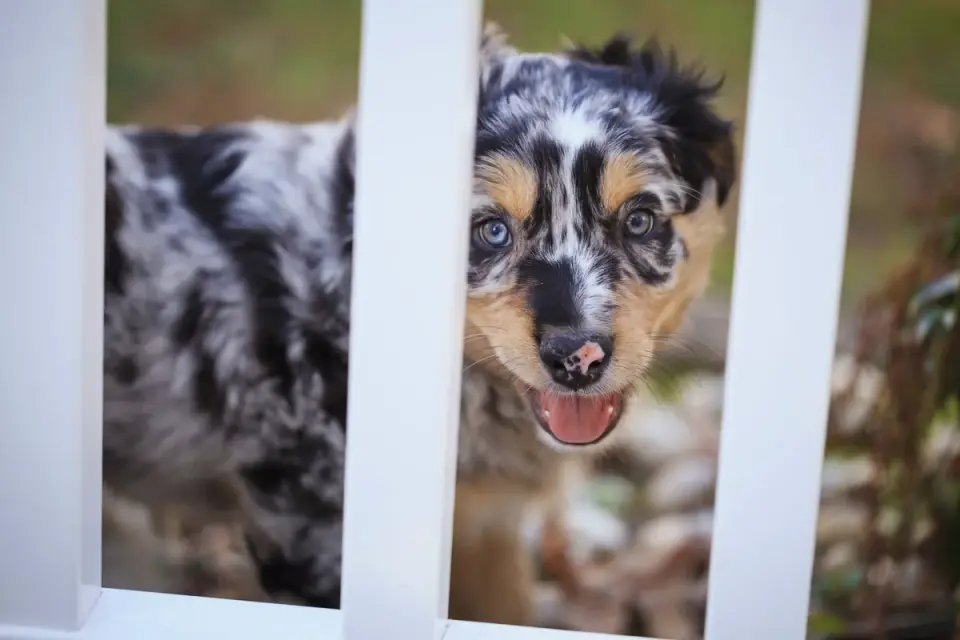
A 9-year-old, 22-pound terrier mix showed me where this loop breaks. Her owner tried to push touch-spin-middle as a single chain for 18 minutes straight on tile, luring spin faster when the dog stalled. The dog started offering a lip lick, turning away, then lying down and refusing food — classic stress pileup plus slippery footing. We moved to carpet, cut to one behavior per 2-minute block, and rewarded offered eye contact between reps. Within two blocks she was touching hands again, and we shelved spin for another day. The tradeoff was clear: chaining looks efficient, but splitting behaviors protects confidence on slick indoor floors.
Reward calm disengagement. Toss the treat 3 feet away so the dog has to walk back and reset. That walk prevents crowding and keeps arousal low. Train on rugs or mats, trim nails so toes grip, and keep doorways as natural bumpers so a large dog does not slide into furniture.
Add chin rest and box work when brains need quiet
Place a folded towel on a chair. Pat it, mark any nose dip toward the fabric, then gradually require two seconds of chin weight before you pay. Chin rest transfers everywhere — nail trims, doorbell manners, vet exams.
Add box work for body awareness. Set a low cardboard box with sides cut to 4 inches. Mark one paw in, then two, then four, then standing still for two seconds. Do not push the dog in; let the feet problem-solve. Guidance consistent with the American Veterinary Society of Animal Behavior favors reward-based methods for these cooperative behaviors because force and intimidation increase fear without improving learning.
Pair this quiet work with other low-arousal ideas from Rainy-Day Activities When You Can’t Go Outside when you need a full afternoon plan. Alternate one active trick with one still trick to keep breathing even.
The third dog changed my standard order. A 6-year-old, 71-pound senior with stiff hips after lying on cold floors for 5 nights could not do spins or tight middles without shifting weight off his left hind leg. We dropped anything rotational and ran only nose touch at knee height and chin rest on a raised ottoman, 10 treats per block, twice that afternoon. He held a 12-second chin rest by the second session, and his owner used that same position the next morning to wipe paws without wrestling. When mobility limits the menu, still tricks carry the day.
What I would run for the next storm
Pick three: touch, middle or chin rest, plus one movement trick like spin or box paws. Do three 4-minute blocks with play or sniff breaks between. End on a win, feed dinner from a puzzle, and save new tricks for tomorrow. If arousal spikes, trade tricks for chewing or a sniff game from Is Tug-of-War Good or Bad for Dogs? and How to Use a Flirt Pole for High-Drive Dogs adapted indoors with short bouts and clear stop cues.
Track what worked — which treat size, which surface, which duration kept tails wagging. That log becomes your next rainy-day plan.
Frequently asked questions
How long should an indoor trick session last?
Keep blocks to 3-5 minutes with breaks for water, sniffing, or chewing. End while your dog still wants more, then repeat later rather than drilling one long session.
What treats work best for rainy-day training?
Use soft, pea-sized treats delivered quickly, and count them toward daily meals. Mix in kibble for easy reps and save high-value bits for new or difficult steps.
Sources
- How to Train Your Dog — American Kennel Club
- Position Statements — American Veterinary Society of Animal Behavior