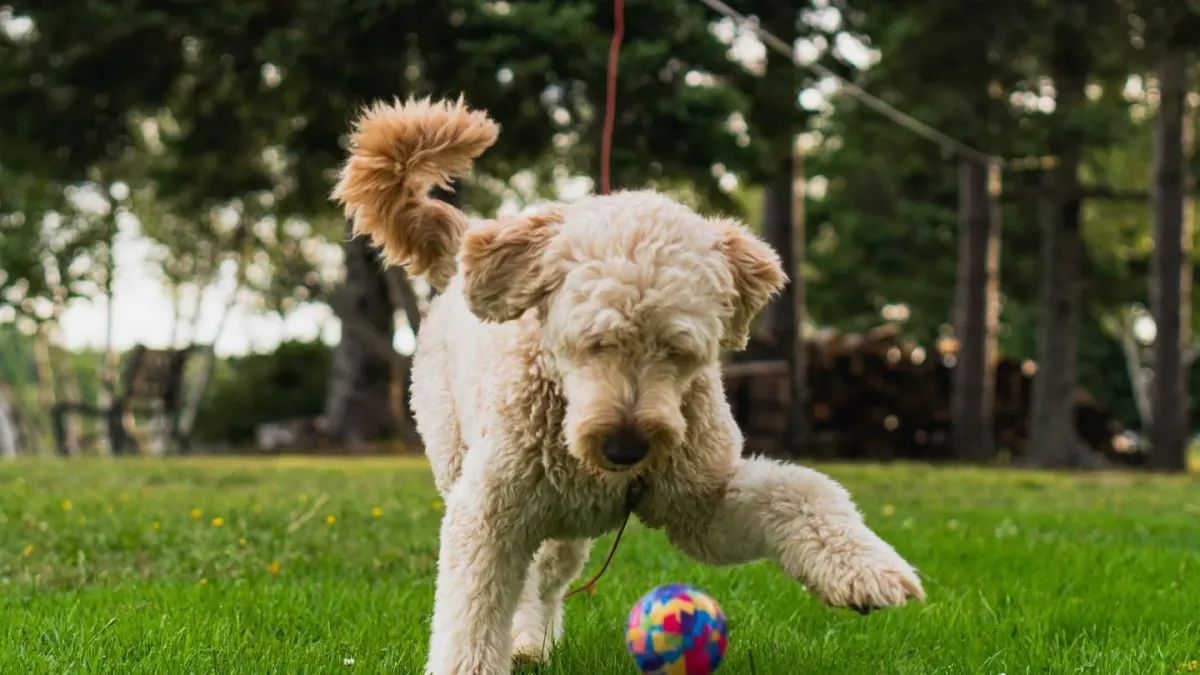
Pick a basket your dog can reach without tipping over, then put only five to seven toys in it. Store the rest out of sight in a closet bin.
That small visible set is the whole system. Fewer choices make it easier to see what gets played with, what gets ignored, and what is starting to fall apart. American Veterinary Medical Association notes that safe play starts with choosing intact, size-appropriate toys and supervising use, which is much easier to do when you are tracking six toys instead of twenty.
In practice, Gloria in Waco noticed her 11-year-old Miniature Poodle mix, Patti, was ignoring the basket entirely and carrying the same frayed plush around for three weeks. She cut the basket down to five toys — two plush, one rubber treat toy, one rope, one ball — and put the rest in a hall closet. Within ten days Patti was visiting the basket twice a day again.
Keep five in, rest out: build the rotation
Set a weekly swap day. Pull one or two toys from the basket and replace them with one or two from storage.
Wash what comes out before it goes back in storage. Check seams, squeakers, rope ends, and rubber for cracks or missing chunks. For cleaning steps by material, see How to Clean and Disinfect Dog Toys.
Do this in order:
- Dump the basket and shake out crumbs and stuffing bits.
- Toss anything torn, cracked, deflated, or missing pieces.
- Wipe or wash the keepers.
- Return the favorites plus one rotated “new” toy.
Vets often see blockages from swallowed stuffing and squeakers, so treat a ripped seam as a done toy, not a repair project. Supervise closely with toys that can be chewed apart, and remove them at the first sign of pieces coming off.
Choose the mix for mouth, nose, and legs. One chew-appropriate rubber toy, one carry or cuddle plush, one tug or fetch toy, plus one food-dispensing or puzzle toy covers most dogs without overfilling the basket. ASPCA recommends matching toy size and durability to your dog’s chewing style and rotating variety to prevent boredom.
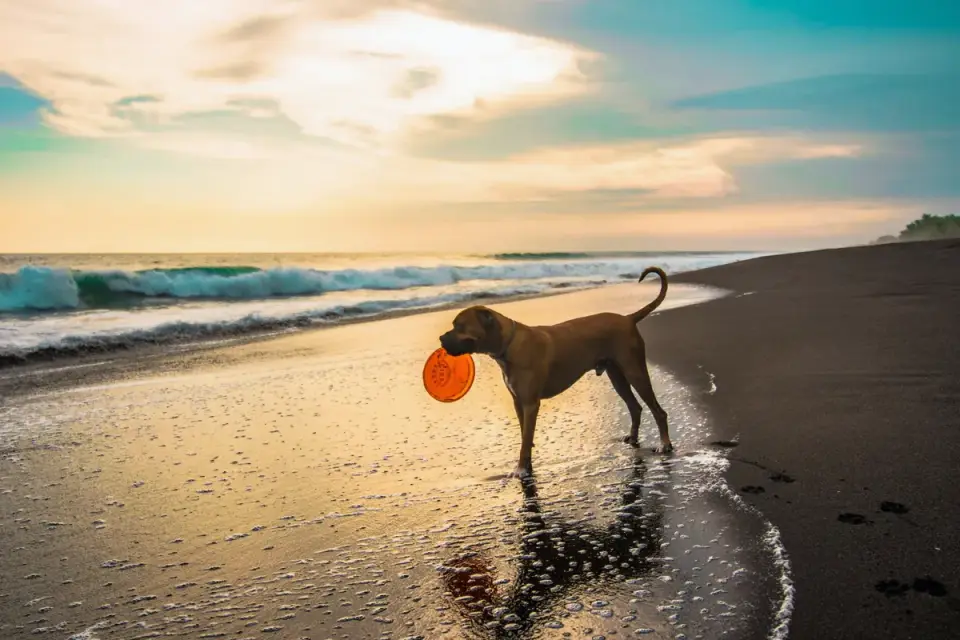
Read the basket like a health log
Your basket tells you what changed. A toy that was loved and now sits untouched for two weeks can mean sore teeth, reduced interest, or just boredom with that texture.
Track it for a month. Keep a short list on the fridge: which toys went in, which came out, and which needed trash. If chewing intensity jumps suddenly, or a senior dog stops picking up toys they used to love, call your veterinarian for a mouth and mobility check rather than buying tougher toys.
Match the basket to the weather and the dog. On hot days, pull out heavy fetch toys and leave puzzle and splash toys forward — see Backyard Sprinkler and Splash Games for Hot Days and How to Exercise a Dog Indoors With Toys During Bad Weather. For dogs that destroy plush in minutes, limit plush to together-play only and keep durable chew options in the basket instead — see Interactive Toys vs. Chew Toys: When to Use Each.
This rotation plan is the wrong call for a dog that guards toys. If your dog stiffens, hovers, or growls over the basket, stop rotating in high-value items and talk to your veterinarian or a qualified trainer about a resource-guarding plan first. Fewer, lower-value toys plus trade-up training beats surprise swaps.
Keep the basket low, stable, and open. Wash weekly. Rotate weekly. Trash damage early.
Frequently asked questions
How many toys should be in a dog toy basket?
Five to seven is enough for most dogs. It keeps choices clear, makes weekly washing realistic, and lets you spot damage fast.
How often should I rotate dog toys?
Swap one or two toys once a week. Wash toys before storage and inspect seams, squeakers, and rubber for tears or missing pieces.
When should I throw a dog toy away?
Throw it away if seams are open, stuffing or squeakers are exposed, rubber is cracked, or pieces are missing. Do not leave damaged toys for unsupervised chewing.
Sources
- American Veterinary Medical Association — American Veterinary Medical Association