
On this page
Wet cobbles, low cloud, and a dog already circling the door — that is the real choice behind a short village walk on a rainy weekend.
Last November I talked through this with an owner of a 9-year-old, 68-pound Labrador retriever who was stiff after weekend walks. She wanted to keep him moving without setting back his hips. We mapped a 0.9-mile loop from her front step past the bakery, church lane, and back along the high street, with two planned sniff stops and one sheltered cafe awning for a pause. He had been getting 12 minutes of off-leash fetch on Saturdays, then limping that evening. We swapped that for 22 minutes of steady leash walking in light rain at 48°F, towel-dried his feet at home, and fed his normal balanced dinner with his long-term joint supplement unchanged. His evening restlessness eased within that first weekend, and she could see the difference at the stairs.
Physiology explains why that swap worked. Steady walking generates rhythmic joint loading that supports synovial fluid circulation and cartilage nutrition, while conserving muscle heat. Sprint-fetch on slick ground does the opposite: eccentric braking, slipping, and chilling. From a food therapy and supplement science view, no chew changes that mechanical equation. What diet and well-studied joint ingredients may help support is the background — maintenance of cartilage matrix turnover and a normal inflammatory response after exercise — not repair of a slip or rewarming of a chilled small dog. That is why I prioritize route and warmth first, calories second, and supplements third.
Read the Lane Before You Lace Up
Village rain is not trail rain. Runoff sheets off roofs, drains overflow across camber, and stone flags grow algae-slick by October. The American Veterinary Medical Association reminds owners that wet, cold exposure raises risk for shivering, paw irritation, and hypothermia in small, thin-coated, very young, or arthritic dogs, and advises short, monitored outings with drying afterward.
I score every damp loop on the same rubric I use for gear: fit, footing, comfort, and value. Fit means duration matched to the dog — usually 15 to 25 minutes for seniors or brachycephalics, up to 40 for fit adults. Footing means choosing rough pavement and grass verges over painted lines, metal covers, and mossy church steps. Comfort means wind plus rain temperature, not rain alone. Value means what the walk returns: sniffing, social exposure, and loose-leash practice without a two-day payback.
If you want indoor backup for a true downpour, see Rainy-Day Activities When You Can’t Go Outside before you force a miserable mile.
Warm Muscle, Fed Joint: What Food Can Realistically Do
Muscle does the work, cartilage absorbs it, and diet supplies both. Complete and balanced adult food provides protein for muscle maintenance, fat for energy density, and omega-6 and omega-3 fatty acids for cell membranes. On a short wet walk, energy cost rises modestly from thermoregulation and cautious gait, not enough to justify doubling dinner.
Where supplements fit is narrow and specific. Glucosamine and chondroitin are structural components of cartilage glycosaminoglycans, and long-term use may help support joint structure and comfort in dogs with osteoarthritis as part of a weight-healthy plan, though effects are modest and slow. The National Institutes of Health Office of Dietary Supplements summarizes human trial data showing mixed but biologically plausible effects on joint comfort, which mirrors the veterinary picture: reasonable adjunct, not a painkiller.
My evidence-bounded position is this: keep a healthy-weight dog on balanced nutrition, and if you use a joint product, choose one with defined glucosamine/chondroitin levels, third-party quality control, and at least 4 to 6 weeks of consistent use through the wet season rather than dosing only on walk days. What would change my mind is a well-powered, randomized canine trial showing a rainy-season loading protocol prevents post-walk stiffness better than weight control and graded exercise alone. That trial does not exist now, so I do not sell a rainy-day scoop as protection.
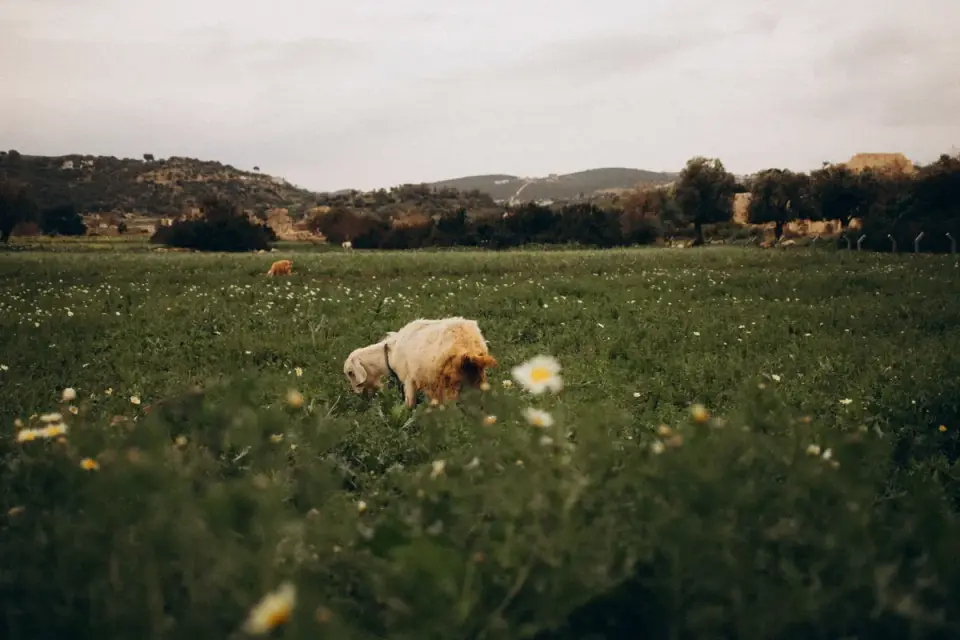
I learned the limit the hard way on a 1.4-mile reservoir lane in steady rain with a middle-aged, 42-pound herding mix I was advising on. The owner had added a new soft chew with turmeric, MSM, and “hip blend” three days earlier and expected it to cover a longer route. We kept the pace brisk to stay warm, crossed two flooded gutters, and skipped the shelter stop. By mile one the dog shortened stride on the left hind, sat twice on a grass bank, and needed coaxing past sheep fencing. We cut the walk, dried him in the car for 10 minutes with the heat on low, and logged 2 nights of reduced play before he moved normally. The chew did nothing for acute fatigue and slick footing, and the failed test reset our rule: supplements never buy distance.
Puddles, Paws, and the Lepto Question
Village puddles collect oil, de-icer residue early in season, and wildlife urine. Most healthy adults who lap once will be fine, but repeated drinking from stagnant gutters is worth blocking with a carried bottle and a leave-it cue. The Centers for Disease Control and Prevention notes leptospirosis spreads through water or soil contaminated with urine from infected animals, which is exactly what curb puddles and ditch edges can hold after rain.
Practical control is mechanical. Walk the crown of the lane, cross to the grass verge where drainage runs, and keep a 4- to 6-foot leash so you can steer the nose. Rinse paws and belly in lukewarm water at home, check between toes for grit, and dry ears on flop-eared breeds. If your high street ends at a cafe, plan that stop deliberately — shade, water bowl off the ground, dog settled on a mat rather than cold stone — much like scouting in How to Find Dog-Friendly Patios and Breweries (Without Guessing at the Door).
When the Usual 20 Minutes Has to Bend
Not every dog gets the standard loop. During a wet February stretch I adjusted for a 5-month-old, 19-pound spaniel puppy whose owner wanted to join the family’s Sunday circuit. Puppies chill fast and do not need forced distance for fitness. We broke tradition: four short outings of 8 minutes across Saturday and Sunday instead of one 30-minute village tour, all on pavement near home with three indoor play-and-chew sessions between. Total outdoor time was 32 minutes, but no single bout pushed shivering or carrying. The owner tracked house-training accidents and nap length, and by the fourth walk the puppy was choosing to trot home happily rather than planting at the corner.
That is the bend: seniors need shorter, flatter, and warmer; puppies need frequent and brief; high-drive adolescents need sniff work more than mileage. If your dog pulls toward every drain, swap the village loop for skill work with a How to Use a Flirt Pole for High-Drive Dogs session indoors later, rather than adding a wet second lap.
The Recommendation
Pick the shortest loop that still feels like an outing — shopfronts, lane, green, home — and walk it steadily, dry thoroughly, and feed normally.
My rubric winner for rainy weekends is restraint: waterproof jacket for thin-coated or arthritic dogs only, well-fitted harness that does not slip when wet, short leash for gutter control, and a towel by the door. Skip booties unless grit or salt is present; most village dogs move more safely feeling the flagstones. Keep joint nutrition consistent if you already use it, keep body condition lean, and let the walk build mobility through regularity, not length. That approach may help support whole-patient health across diet, mobility, and recovery without promising what no supplement can promise on a slick Saturday.
Frequently asked questions
How long should a village walk be in rain?
For most healthy adults 20-30 minutes is plenty; seniors, puppies, and small thin-coated breeds do better with 10-20 minutes plus thorough drying.
Should I feed extra after a short wet walk?
No. Feed your normal balanced meal. Extra food is only warranted for long, cold hikes, not a village loop.
Do joint supplements protect against slips?
No. They may help support joint structure with consistent long-term use, but they do not prevent acute injury, fatigue, or stiffness from overdistance on slick ground.
Sources
- Cold-Weather Pet Safety — American Veterinary Medical Association
- Glucosamine and Chondroitin for Osteoarthritis — National Institutes of Health Office of Dietary Supplements
- About Leptospirosis — Centers for Disease Control and Prevention