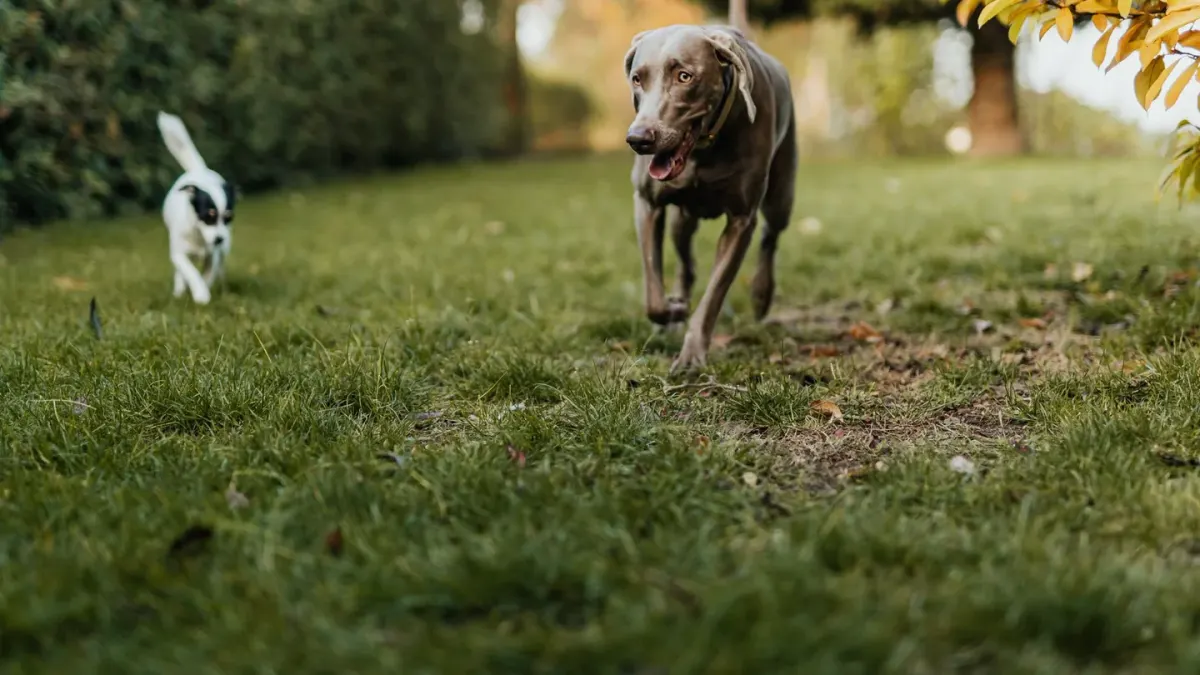
Plan the loop backward from the rest stops, not the trailhead. Pick a flat 0.5- to 1-mile woodland loop with benches, logs, or wide shoulders every 5 to 10 minutes, walk it clockwise so the uphill comes first, and commit to turning back at the first heavy pant or lag. That decision fork saves more joints than any chew.
An 11-year-old, 42-pound mixed-breed dog who used to pull to the park gate now sits after two blocks on cool mornings. His owner mapped a 0.7-mile pine-needle loop behind the neighborhood, with three planned pause points at a fallen oak, a creek bridge, and a sunny clearing. On day one they walked 12 minutes out, rested 3 minutes for sniffing, then turned at the bridge when his trot shortened and his head dropped. They logged the turnaround time on a phone note. By the fourth walk in nine days, that same bridge arrived without the sit-down, and the tail carriage stayed level the whole way home.
Check footing, leash length, and fuel before you go. Use a 6-foot leash, harness with a front chest ring, and soft packed dirt or leaf litter over roots and gravel. Feed the normal meal 2 to 3 hours before, carry water and a small protein-rich snack, and keep the pace at a loose-leash amble with permission to sniff every 50 yards. Sniffing lowers arousal and buys micro-rests without a formal stop.
Walk It In Intervals, Not One Push
Start with 10 minutes easy, 3 minutes standing rest, then repeat. Watch stride length, ear set, and recovery time rather than distance. Turn when panting stays open-mouthed after a 2-minute rest, when the dog starts cutting corners, or when the rear feet scuff. On leaf-covered trail, test your own slip with a heel twist; if you slide, reroute.
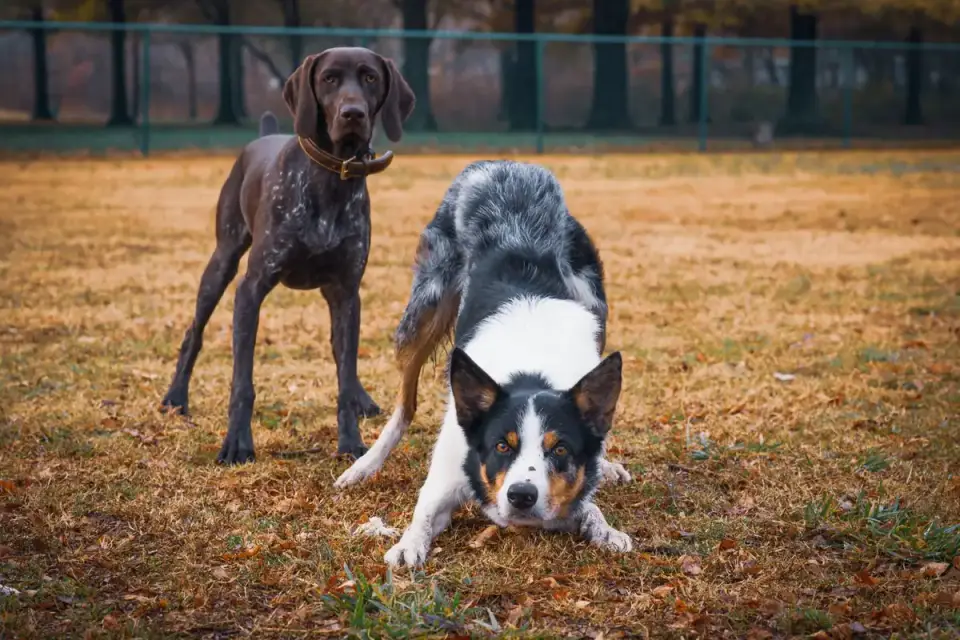
A stocky 6-year-old bulldog-type dog tried to muscle through the same kind of loop without breaks last October. His owner skipped the rest stops to “build stamina,” pushed through 1.4 miles in one effort, and paid for it with two nights of stiff rising, skipped stairs, and a refused breakfast the next morning. The tradeoff was clear on the third outing: when they cut the loop to 0.6 miles with four seated sniff breaks, he finished bright and ate normally within 20 minutes. One continuous push cost 48 hours of soreness; intervals cost 15 extra minutes on trail.
For mental load without mileage, borrow ideas from Mental Exercise vs Physical Exercise for Dogs: Which One Is Your Dog Actually Missing? and let the dog problem-solve at a log or scent patch instead of adding distance. If you want tug as a warm-up before the woods, review Is Tug-of-War Good or Bad for Dogs? to keep intensity low and joints stacked.
What Food and Supplements Can Realistically Do
A complete and balanced diet does most of the recovery work. Maintain lean body condition, meet AAFCO needs for adult or senior dogs, and prioritize long-chain omega-3s from fish oil where your veterinarian agrees they fit the total fat budget. What a supplement can realistically do for diet, mobility, and recovery is narrower: glucosamine, chondroitin, and omega-3s may help support normal joint structure and comfort alongside weight control and steady activity, not rebuild cartilage or erase fatigue.
Ground that integrative claim in the nutritional evidence and label discipline. Look for a lot number, guaranteed analysis, and a quality seal, and check the National Animal Supplement Council program for manufacturers that submit to third-party auditing. The National Institutes of Health Office of Dietary Supplements notes that supplements vary in content and bioavailability, which is why dose form and consistency matter more than marketing language. The Merck Veterinary Manual describes how degenerative joint changes develop gradually in dogs, so steady weight, footing, and pacing outweigh any single ingredient.
When the Short Loop Still Is Too Much
A 68-pound senior retriever with a thick waist and a history of slipping on wet leaves could not finish even the easy half-mile without lying down. His owner bent the plan: drive to the trailhead for a 10-minute out-and-back on level needle bed, then finish with scent games from a bench. They added a vet check for pain, trimmed 8% of body weight over three months through measured meals, and kept joint-support nutrition consistent rather than cycling products. The woodland time stayed quiet, but the exercise shifted from distance to nose work and gentle incline weight-shifting at home.
That is the situation where my usual push for slightly longer intervals would be the wrong call. If fatigue appears within 5 minutes, if lameness, coughing, pale gums, or collapse occur, or if soreness lasts beyond 24 hours, stop progression and get veterinary assessment before the next woods walk. Shorten further, choose Are All Dogs Natural Swimmers? What to Check Before the Water only if your vet clears low-impact alternatives, and treat supplements as background support while diagnosis leads.
So what wins for most quick-to-tire dogs? A familiar 30- to 40-minute outing with built-in rests, soft footing, and consistent feeding over heroic mileage or a new powder. Keep a simple log of turnaround point, rest count, and next-morning stiffness. When will you call your current loop too long?
Frequently asked questions
How far should I walk a dog that tires quickly in the woods?
Start with 0.5 to 1 mile on flat, soft trail with a rest every 5 to 10 minutes, and turn back if heavy panting does not resolve after a 2-minute stop.
Should I feed before or after the woodland loop?
Feed the regular meal 2 to 3 hours before, bring water, and offer a small snack after if your vet approves; avoid a large meal right before exercise.
Do joint supplements let my dog walk farther?
No. They may help support normal joint comfort as part of weight control and steady activity, but pacing, footing, and veterinary pain assessment determine distance.
Sources
- Dietary Supplements: What You Need to Know — National Institutes of Health Office of Dietary Supplements