On this page
Choose the 1.5-mile sheltered loop behind the house, not the 6-mile ridge you save for blue sky. That is the whole decision on a rainy weekend: go short, stay low, stay under trees, and use the walk to support mobility and recovery rather than to tire your dog out.
I watched this choice play out with a composite case I use for teaching — a 9-year-old, 68-pound Labrador with early hip stiffness whose owner wanted a big Saturday hike to burn energy before guests arrived. Three weeks in to a new joint-support feeding plan, the dog was moving better on flat ground but still bunched his stride on downhills. We mapped a flat 35-minute woodland loop with two bailouts, packed a towel and high-moisture treats, and agreed the win was steady movement and calm sniffing, not distance. By the turnaround log he was loose, rhythmic, and still pulling gently toward the next smell.
Short loop or couch? Make the call at the door
Check the dog first, then the sky. Walk if your dog is eating normally, wants to go, and moves sound at a trot in the driveway. Skip the woods and do rainy-day indoor work instead if you see vomiting, diarrhea, coughing, limping that does not warm out in two minutes, or a wound that rain will soak.
Check the trail second. Pick a loop under 2 miles with less than 200 feet of climbing, tree cover for at least half of it, and no creek crossing that rises fast. Turn back on standing water over paw depth, slick boardwalk, or thunder within 30 seconds of lightning. Wet cold steals heat faster than dry cold, a point the American Veterinary Medical Association makes for winter safety and that holds just as well in a 45-degree rain.
Walk wet and warm: the 40-minute method
Keep it concrete. Towel dry the belly and legs at the trailhead so you start dry. Clip a light, snug rain shell on short-coated, very young, or senior dogs. Use a 6-foot leash and harness — no flexi around wet trunks and mountain-bike corners.
Set a timer. Walk 10 minutes easy for warm-up. Walk 15 to 20 minutes steady where your dog can sniff every 2 to 3 minutes. Turn for home while your dog still wants to continue. Offer small, soft treats every 10 minutes and water at the halfway log; dogs drink less in rain and then gorge later.
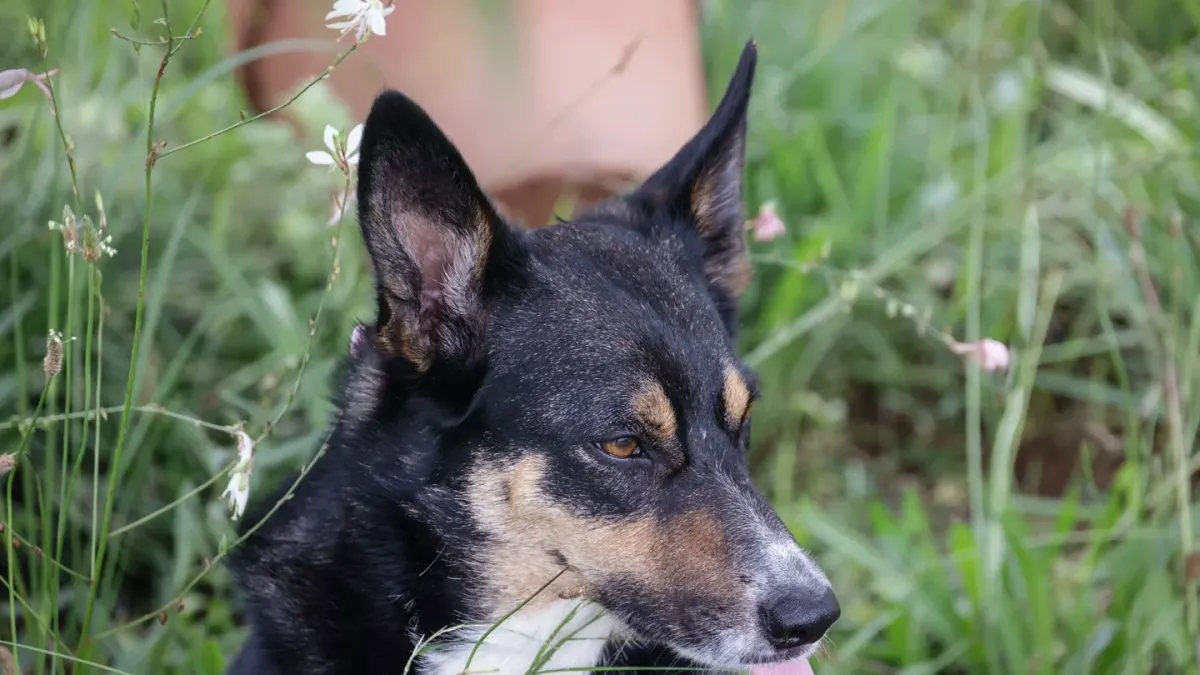
The failed version looks like this: a 4-year-old, 52-pound cattle-dog mix, two days after a rest week, dragged her owner onto a muddy ridge loop because the rain had paused. By day 10 of that cycle the pattern was familiar — sprint the first hill, skate through the first descent, then refuse the puddle crossing on the way back. The owner had brought no towel, no treats, and a long line wrapped around wet saplings three times. They finished cold, filthy, and frustrated, and the dog skipped dinner and slept stiffly. The tradeoff was clear: chasing mileage in marginal footing cost them the next two days of training they could have kept with a flat 30-minute loop and a dry car blanket.
Score it like gear: fit, footing, comfort, value
I score rainy woods walks the same way I score gear — fit, durability, comfort, and value. Fit means the loop fits today’s dog: senior, puppy, or post-injury dogs get flat and short. Durability means the surface holds up: gravel woods road beats churned singletrack. Comfort means warmth after: change out of a soaked harness in the parking lot, towel ears and paws, check between toes for grit.
Value is recovery. Food and rest do more for mobility than any single walk. A balanced diet with adequate protein and omega-3s may help support normal joint function and post-exercise recovery as part of whole-patient health, but no supplement can realistically rebuild cartilage or erase a too-long wet hike. That is my line as a nutritionist: use nutrition to support the base, use the walk to maintain range of motion, and do not ask either to rescue overexertion. The strongest counterargument is that hard exercise plus a joint chew will toughen a stiff dog faster — in practice it usually produces soreness that sets rehab back a week.
Rinse mud, do not scrub. Rinse paws in clean water, pat dry, and look for ticks even in cool rain; the Centers for Disease Control and Prevention notes tick exposure risk follows habitat and season more than a single dry day. Feed the normal meal on time, then let your dog sleep warm.
The edge case that changes the plan
Not every dog wants the quiet loop, and that changes handling, not distance. Picture a 2-year-old, 41-pound spaniel on a drizzly Sunday, by day 10 of a settle-on-mat program, vibrating at the trailhead while his owner tried to enforce a slow sniff walk. Forcing heel for 40 minutes spiked frustration barking at every squirrel. The fix was structure, not more miles: 90 seconds of tug with rules before the loop, then 3 minutes of walking, then a cued sniff break, repeated. High-drive dogs often do better when you front-load a legal outlet and rotate movement and nose work, much like breaking up indoor sessions with a short flirt-pole set on dry days.
The recommendation
Take the quiet loop. Go 30 to 40 minutes, stay flat and sheltered, keep your dog warm and fed, and bank the good movement for next week.
Sources
- Cold Weather Pet Safety — American Veterinary Medical Association
- About Ticks — Centers for Disease Control and Prevention