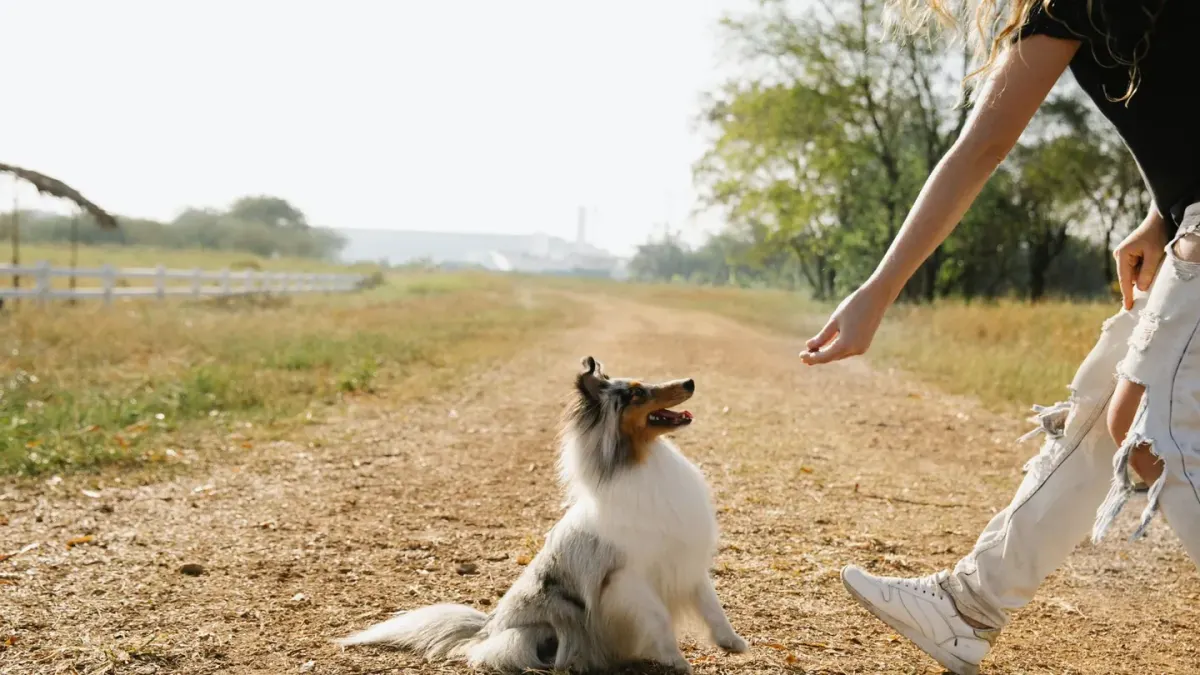
On this page
Your dog grabs a sock and trots off with head high — is that an invitation to play, a comfort habit, or a swallowing risk you need to interrupt right now? Set your expectation first: most carrying is normal retrieving and attention-seeking behavior, but any sock-chewing or gulping changes the plan from training to prevention.
Use this quick checklist before you move:
- Pause and read the mouth: loosely carried and prancing usually means play; chewing, gulping, or guarding means act calmly now.
- Do not chase on foot: chasing teaches most dogs that socks trigger the best game in the house.
- Trade, do not pry: offer a high-value treat or toy for a drop, then secure the sock.
- Manage the laundry: close hampers, use gates, and give a legal carry toy instead.
- Track the pattern: note time of day, who is home, and whether chewing or guarding is increasing.
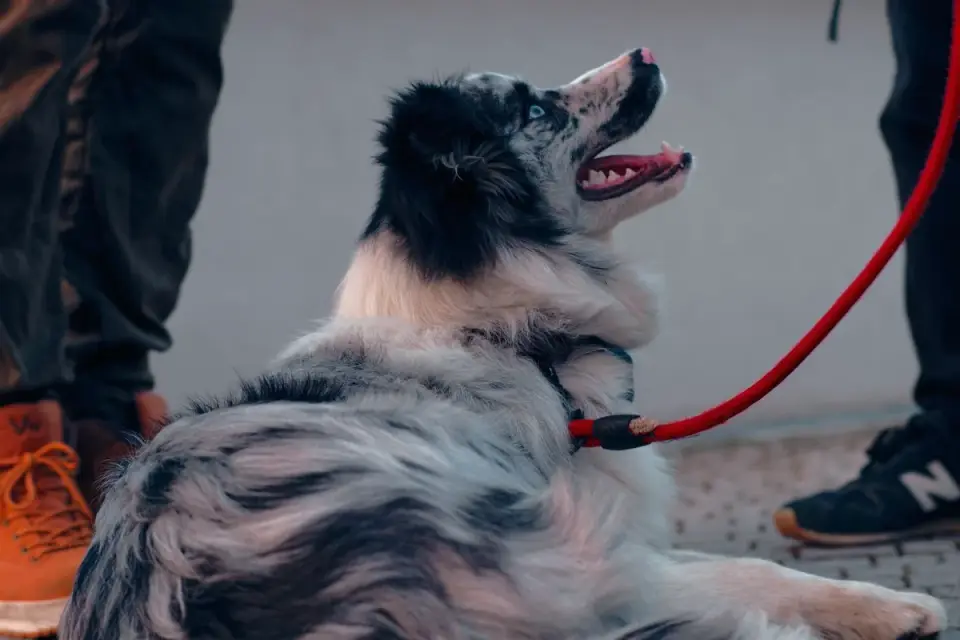
Decide first: playful carrier or determined chewer?
Brandi in Norwalk, California, lives with Gerry, a 3-year-old neutered male Basenji who began meeting her at the dryer each morning. Within two weeks he had carried off six single socks, never tearing them, always looping back through the living room to be noticed. That loop is information. A dog who parades, wags loosely, and keeps the sock intact is usually recruiting social interaction.
A determined chewer looks different. The head turns away, chewing becomes rhythmic, the neck stretches to swallow, or the body stiffens over the item. Ingested socks can cause gastrointestinal obstruction, so prevention matters more than perfect obedience in that moment. The American Veterinary Society of Animal Behavior recommends humane, reward-based methods for changing behavior, which fits here: staying calm protects both the trade and your dog’s willingness to bring items to you next time.
If Gerry’s pattern sounds familiar, treat carrying as a training opportunity. If your dog tears fabric, swallows pieces, or guards, treat it as a management problem first and call your veterinarian for guidance on vomiting, appetite loss, lethargy, or repeated retching.
Why socks win over almost every toy
Socks are warm, stretchy, scent-loaded, and easy to carry. Dogs explore with their mouths, and human scent makes laundry especially salient. The Merck Veterinary Manual describes normal social behavior in dogs as highly interactive, with object play and attention-seeking as expected parts of daily life.
That explains why scolding often backfires. A loud reaction, followed by a sprint down the hallway, gives the dog exactly what many want: movement, eye contact, and a long game of keep-away. Puppies and adolescent retriever types may help support that habit through mouthing, as covered in how to stop puppy biting and mouthing, while under-enriched adults may fill quiet afternoons with laundry patrol. When the timing clusters around departures or arrivals, compare notes with boredom vs separation anxiety.
Teach a trade that beats the sock
Keep it preventive and low-stress. The goal is a dog who hears a cue and thinks dropping pays well, not a dog who runs faster.
Start when no sock is present. Say “drop” once, place a small tasty treat at the nose when your dog holds a toy, mark and reward the release, then return the toy. Short sessions of three to five repetitions, twice daily, build the baseline without frustration.
When a real sock appears, resist reaching for the mouth. Get a treat, walk nearby rather than toward your dog, and invite a trade in a neutral tone. Reward the drop, pick up the sock calmly, then offer the legal toy for a brief game. Dogs who stiffen, freeze, or growl over items need a different plan — learn to read that warning in why dogs growl when petted and avoid cornering or forcibly removing the item.
One short paragraph to remember. A reliable trade takes one to three weeks of consistent practice for many adult dogs.
Make socks boring and legal toys better
Training works faster with management. Put lidded hampers behind closed doors, keep bedroom doors shut during high-theft hours, and do a two-minute floor scan before work and bedtime. Provide one or two designated carry toys — soft, floppy toys that satisfy the same need to hold and parade — and rotate them to keep novelty high.
Add sniff walks, food puzzles, and brief training games on days theft peaks. If chewing targets shift to pillows, remote controls, or doorframes, check timing cues in is chewing boredom or anxiety before adding more exercise. Calm enrichment usually helps more than longer, more exciting outings late in the evening.
If guarding, swallowing, or anxiety signs increase despite two weeks of consistent trading and management, ask your veterinarian for a behavior referral. Expect a plan that addresses routine, handling, and safe confinement first.
Your recommendation for this week: manage laundry like medicine, practice five calm trades a day with toys, and let the sock parade fade for lack of an audience.
Frequently asked questions
Should I chase my dog when he steals a sock?
No. Chasing usually rewards the theft with attention and movement. Stay calm, get a treat, and invite a trade instead.
Is carrying socks dangerous?
Carrying alone is often harmless play, but chewing or swallowing fabric can cause choking or intestinal blockage. Prevent access and contact your veterinarian if you see vomiting, appetite loss, or lethargy.
How do I teach a reliable drop?
Practice with toys first using treats and praise, keep sessions short, return the toy after the drop, and only then use the skill for real-life items like socks.
Sources
- Position Statements — American Veterinary Society of Animal Behavior
- Normal Social Behavior in Dogs — Merck Veterinary Manual