Pack food, water, restraint, waste kit, and meds in your dog's day bag, adjusted for trip length and health needs.
On this page
Packing a day bag keeps the hours between stops steady, with food, water, restraint, cleanup, and a place to rest close at hand. I think of it as structure for the body on a moving day, where familiar smells and routines may help support calm digestion and settled joints.
Build the bag around meals and water
Start with the portion of regular food needed for the driving day plus one extra meal, pre-measured in a sealed container, and the usual bowl set. Sudden diet changes on the road often loosen stool, so staying with the home diet matters more than bringing treats. Pack drinking water from home when possible and a spill-resistant travel bowl, and plan to offer water at each stop rather than waiting for panting to build.
The American Veterinary Medical Association reminds travelers to bring food, water, bowls, and medications, along with leash and identification, which matches what I see in practice: dogs drink and settle more readily when the setup smells like home.
Add restraint, identification, and cleanup
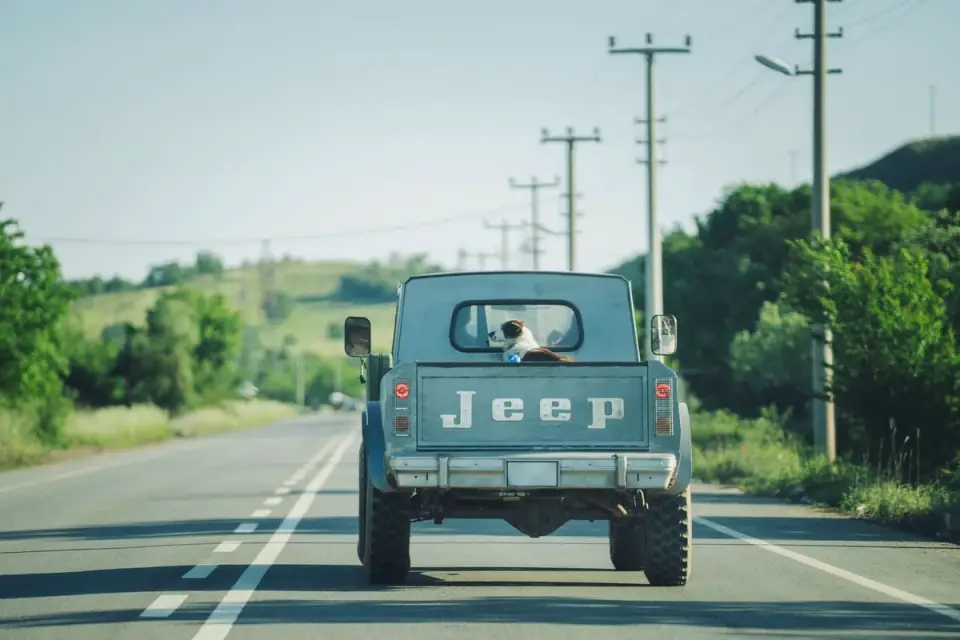
A day bag is also safety kit. Include a fitted harness and short leash, a crate or seat restraint already adjusted for the car you will use, waste bags, paper towels, an enzymatic wipe, and a spare towel. Dogs shift with braking and turns, and a tested restraint choice helps protect the neck, chest, and spine during sudden stops.
For help choosing between options, compare Dog Car Seat Belt vs Crate vs Barrier: Which Restraint Is Safest? before you load the car. Identification belongs in the same pouch: collar with tags, a slip lead as backup, vaccination records, and a recent photo. Federal pet-travel guidance from the USDA Animal and Plant Health Inspection Service notes that health certificates, vaccination proof, and destination rules shape what paperwork to carry, especially across state lines.
Carry comfort, movement, and medication
The third layer is rest and body care. Pack a familiar mat or folded blanket, one quiet chew or food puzzle, any daily medication in labeled containers with dosing instructions, plus paw balm or booties if hot pavement or gravel stops are likely. A small first-aid pouch with gauze, nonstick pads, saline rinse, tweezers, and your clinic number rounds out the bag without adding bulk.
Dylan learned this with Mildred, his 8-year-old spayed Miniature Schnauzer from Stamford, Connecticut. She rode well but stood stiff after two hours, then drank little until evening. For their next drive we added a thicker mat, a low-entry water bowl, her joint supplement routine given with meals, and planned leash walks every two hours for sniffing, urination, and gentle Tui-na style strokes along the shoulders. She still moved slowly at first, then settled sooner at each stop, which gave Dylan a clearer read on comfort.
Adjust for heat, cold, and senior needs
Temperature changes the list. In warm months add shade cloth or sunshade, extra water, and a plan to never leave the dog in a parked car. In cold months add a coat for short-coated or senior dogs and a dry towel for wet feet. Senior dogs often need non-slip footing to enter and exit, more frequent potty breaks, and food therapy style consistency: same food, same timing, small and warm if that is what they take at home.
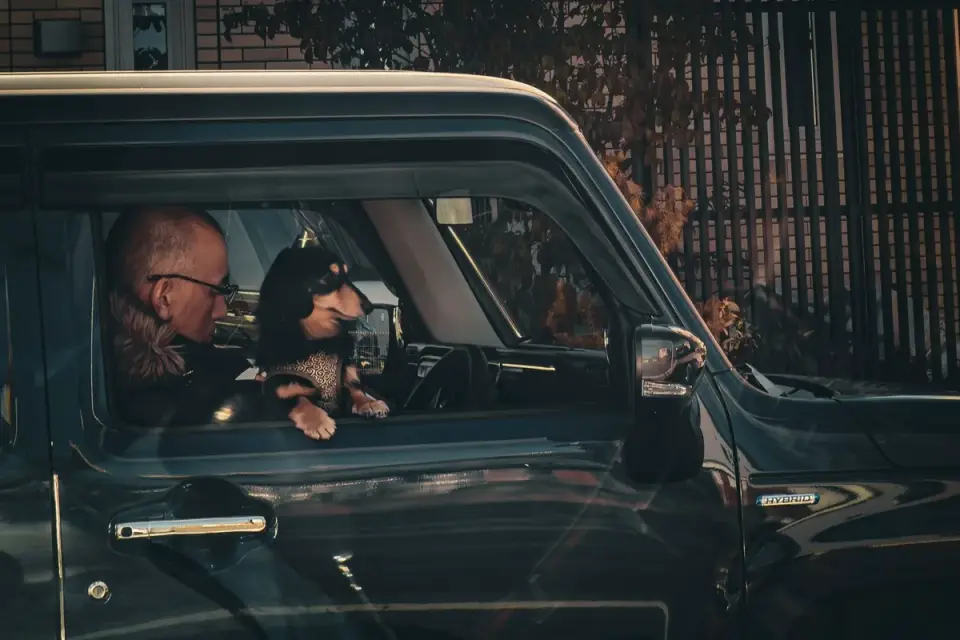
If boarding or a sitter might serve better for an older dog, read Should You Board a Senior Dog or Hire a Sitter? and Boarding Kennel vs Pet Sitter: Which Is Right for Your Dog? while you plan. From a Chinese medicine view, travel stirs movement and depletes routine, so holding mealtimes, rest, and warmth steady may help support digestion and ease.
A simple packing checklist to load by the door
Keep the bag by the leash hook so loading stays calm. Food plus one extra meal, water and bowls, harness and leash with restraint, ID and records, waste kit and towels, bed or mat, enrichment item, medications, and first-aid basics cover most day trips. When the bag is packed the night before, the morning holds less searching and more settling, and the dog feels that steadiness.
Frequently asked questions
How much food belongs in a dog day bag for a road trip?
Pack the full driving-day ration plus one extra meal in sealed, pre-measured portions, and stay with the home diet to keep stool steady.
What paperwork should stay in the bag?
Keep vaccination records, any required health certificate, medication list with doses, your clinic number, and a recent photo of your dog in a sealed pouch.
How often should a senior dog stop on a long drive?
Many senior dogs do best with leash walks, water, and potty breaks every two hours, with non-slip footing and a supportive mat for rest between stops.
Sources
- Traveling with Your Dog — American Veterinary Medical Association
- Pet Travel Guidance — USDA Animal and Plant Health Inspection Service