Find shaded, fenced rest stops every two to three hours when your dog shows restlessness, thirst, or stiffness.

On this page
Plan breaks around the dog in front of you, not the fuel gauge, and the drive stays steadier for everyone. Most adult dogs do well with a short leg-stretch, drink, and toilet stop every two to three hours, with more frequent pauses for puppies, seniors, and dogs managing stiffness or anxiety. I treated a patient much like Finnegan, an 8-year-old neutered male Australian Shepherd from Wichita, Kansas, whose owner Jenny noticed pacing and slow rising after hour three, and shorter intervals with shade and gentle movement helped support joint comfort through the rest of the trip.
Map dog-suitable stops before you leave
A stop that suits dogs has three things: room to walk away from traffic, shade and water access, and clear leash rules. Interstate rest areas, travel plazas with grassy pet zones, and town parks often work, but policies differ by state and site, so check the posted pet rules the night before.
The AVMA recommends planning for confinement, identification, and access to water during car travel, which is a useful checklist when you compare two dots on the map. I keep a simple A and B list for each leg: a primary rest area with grass and shade, plus a backup exit five to twenty miles later in case the first lot is loud, crowded, or freshly treated with chemicals. The National Park Service notes that many park sites limit where pets may go, so confirm pet areas before counting on a scenic stop.
Look at satellite view, not only the pin. Choose lots where the pet walk is set back from ramps, has a grass strip rather than only concrete, and offers a place to park in shade. If you travel with a second adult, also review safe restraint choices in Dog Car Seat Belt vs Crate vs Barrier: Which Restraint Is Safest? so loading and unloading at each stop stays calm.

Read the lot in two minutes
When you pull in, pause before opening the door. Scan for broken glass, chicken bones, off-leash dogs, steep drop-offs, burr patches, and standing water. In warm months, touch the pavement with the back of your hand; if it feels hot to you, keep paws on grass and keep the walk brief.
The American Veterinary Medical Association warns that parked vehicles can heat rapidly, so keep the car running with climate control if a passenger stays with the dog, or take the dog with you and lock thoughtfully. My habit is leash on before the door opens, collar and harness check, then a slow loop to the far edge of the pet area. Let the dog sniff, drink, and toilet first, then offer a short stroll for movement. Food therapy thinking applies here in small ways: room-temperature water and a small, familiar snack may help support settled digestion better than a large meal on a warm, moving day.
For dogs that worry in noise, skip the truck island and choose the quieter car side, keep distance from other dogs, and use the car as a visual shield. If your route includes overnight options, Boarding Kennel vs Pet Sitter: Which Is Right for Your Dog? can help you decide whether to pause the drive or hand off care.
Time breaks to body signals
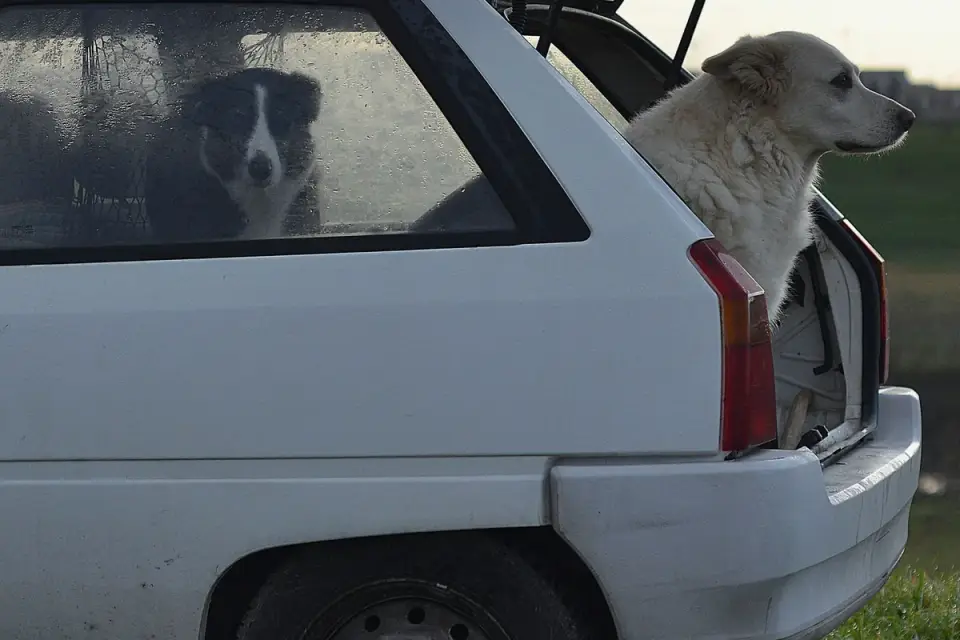
A fixed schedule helps, and body signals refine it. Plan on every two to three hours, then watch for circling, whining, panting that does not settle, drooling, restlessness in the crate, or long stillness followed by stiffness on rising. Puppies and seniors often need shorter intervals, and a dog like Lennox, an 8-year-old spayed female Belgian Malinois from Arvada, Colorado, may show the need as slower stairs and a reluctance to jump back in rather than overt fussing.
Keep each stop to ten to fifteen minutes unless the dog needs longer to toilet. Offer water, a brief walk, and a chance to stand, stretch, and shift weight through the hips and shoulders, which may help support ease of movement. Gentle Tui-na style pressure — slow strokes along the neck, back, and hind limbs — can fit into this pause for dogs that enjoy touch, followed by quiet rest in a familiar bed or crate. Save the long run for the destination; overexercise mid-trip often leads to soreness later.
Handle the edge cases with care
Heat changes the plan. On warm days, favor shaded, early-morning and evening legs, carry extra water, and choose stops with trees or shelters. Never leave a dog alone in a parked car without active cooling and a person monitoring, and know the signs of heat stress such as heavy panting, thick drool, and unsteady gait.
Reactivity changes the geography. Avoid fenced dog parks attached to rest plazas during peak hours if your dog guards space or startles at rushing dogs. Walk the perimeter, keep a loose leash with room to arc away, and use treats for disengagement rather than prolonged greetings. Night stops call for well-lit areas, reflective gear, short leads near roads, and a headlamp for cleanup.
If waste, vomiting, diarrhea, or a skipped meal appears, keep notes on timing, intake, and stool, and offer small, bland, familiar foods once settled. Bring vaccination records and a current photo, keep identification secure, and know where the next emergency clinic sits along the route.
Close the drive the way you opened it: unhurried last stop, water, short walk, then a calm settle. Dogs rest better when each pause feels predictable, and so do their people.
Frequently asked questions
How often should I stop for my dog on a long drive?
Every two to three hours works for most adult dogs, with shorter intervals for puppies, seniors, and dogs that pant, pace, or rise stiffly.
What makes a rest stop good for dogs?
Grass set back from traffic, shade, room to pass other dogs with distance, clear leash rules, and clean ground free of trash and sharp debris.
Should I feed a full meal at a rest stop?
Offer water and a small familiar snack at most stops and save the full meal for a longer break or the destination to support settled digestion.
Sources
- Traveling with your pet — AVMA
- Pets — National Park Service
- Keep pets safe in the heat — American Veterinary Medical Association