On this page
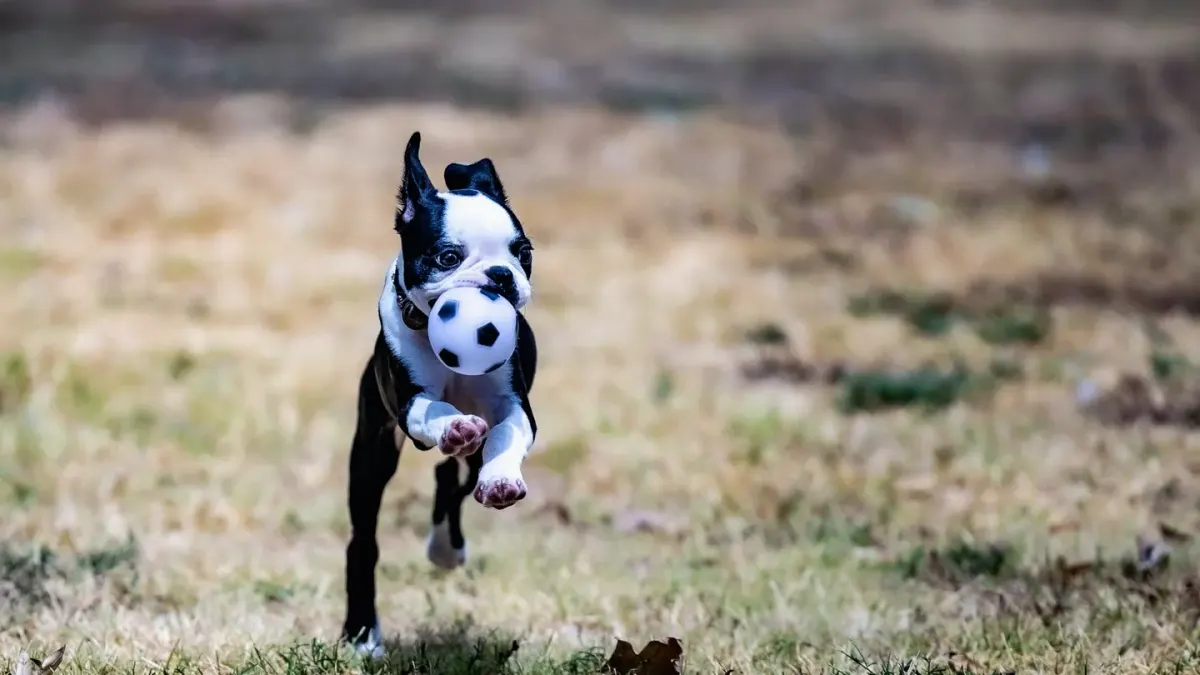
A 7-month-old beagle mix trots down a 12-foot hallway with a squeaky plush clamped sideways in his jaws, tail high and body bouncy, and his owner stands at the fork every toy owner knows: lunge and chase, or stop and make giving up the toy worth it. For four evenings in a row the chase had ended the same way, the puppy sprinting faster, gripping harder, and learning that a clamped jaw keeps the game alive. That night the owner did the opposite, went still, pulled a small piece of chicken from the counter, and the puppy dropped the plush within seconds to take the trade. Possession is self-reinforcing, and what gets chased gets guarded.
Trade, don’t chase: why gripping harder is normal
Resource holding is normal canine behavior, not defiance. From a behavioral physiology view, possession activates the same keep-what-you-have circuitry that helped scavengers survive: increased muscle tension around the object, turning away, freezing, hard staring, or swallowing faster when approached. Chasing, cornering, or prying the mouth open raises arousal and confirms to the dog that people near toys mean loss.
That is why the American Veterinary Society of Animal Behavior emphasizes reward-based methods over confrontational techniques for behavior problems, including resource-related aggression. Trading teaches the opposite association: your approach predicts something better, so releasing the toy is safe.
Stop moving. Turn slightly sideways. Offer a high-value food trade at nose level, say “drop” once as the dog opens to take it, then pick up the toy calmly. Return the toy after a second when you can. Dogs repeat what pays.
When bribing every time backfires
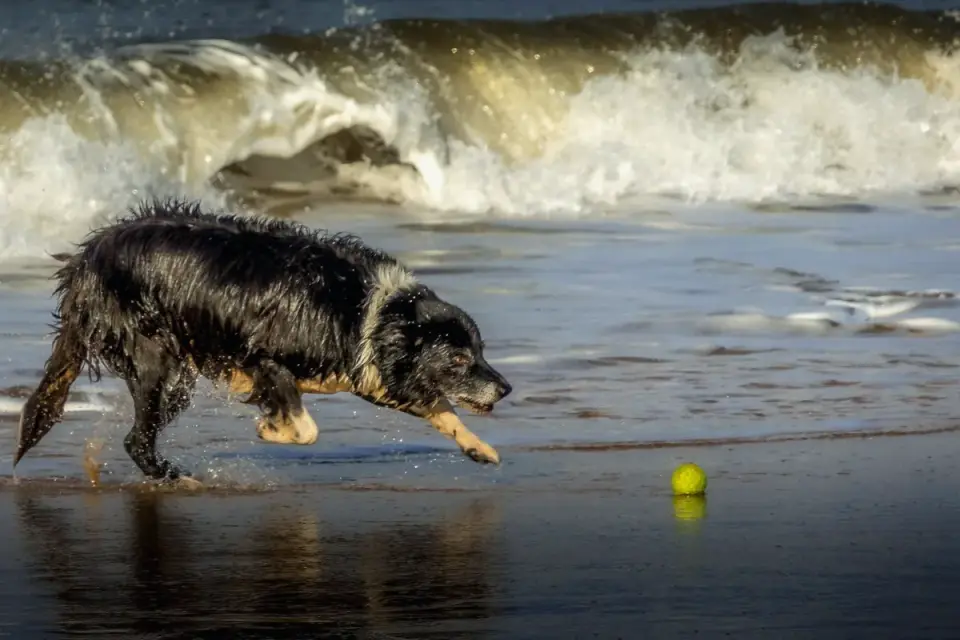
A 3-year-old, 48-pound pit bull type loved rope tug in the park and would not out for anything. Her owner had tried waving a whole handful of biscuits — six treats tossed in a scatter — while repeating “drop it, drop it, drop it” louder each time. The dog learned to grab the free treats and keep the rope, and by the third weekend session she began whipping her head away when a hand reached out. The failed approach was not the food itself but the loop: constant luring with no criteria, repeated cues with no pause, and reaching while the dog was still deciding.
Veterinary behavior guidance, including the ASPCA, frames this as a training problem best solved by teaching an exchange cue systematically rather than forcing the object away. That means one cue, one pause, and payment only for release.
Practice with low-value toys first. Say “drop,” wait two seconds, mark and reward the release, then give the toy back. Score the session the way gear gets scored: does the out hold up under more excitement, worse fit, longer tug, and lower food value?
Teach a drop that holds up in real play
Short, frequent reps build the mechanism better than one long standoff. Use food that truly outranks the toy in that moment — often moist meat or cheese rather than dry kibble — because what a food reward can realistically do here is compete with dopamine from tug and squeak, and it may help support learning only if its value is higher than the toy. Keep sessions to two to three minutes, then put toys away.
Two exchanges beat ten arguments.
For dogs that only trade indoors, change one variable at a time: new room, longer tug, different toy texture. If you rotate between tug, fetch, and chew, this breakdown of Interactive Toys vs. Chew Toys: When to Use Each helps match the game to the moment so “drop” does not always mean fun ends. And because slobbery toys get rougher handling during trade training, a rinse routine from How to Clean and Disinfect Dog Toys keeps mouths and hands safer.
If the dog stiffens, gulps, hovers over the toy, or shows teeth, do not reach. Toss the trade away from the dog so she moves off the toy to get it, then collect the toy without confrontation. Repeated stiffness, snapping, or guarding around food, beds, and people warrants a veterinary exam and referral to a qualified behavior professional.
The exception: stolen objects and safety overrides
A 9-year-old, 18-pound dachshund mix snatched a chicken bone on a 0.6-mile evening walk, clamped down, and ducked under a bench. The usual advice — stay calm, cue “drop,” wait for a trade — had to bend because a splintering bone allows no rehearsal time. The owner did not chase or pry, but crouched, scattered three high-value treats in a wide arc away from the dog, and when the dog stepped off to vacuum them up, blocked the bone with a foot and picked it up with a bag.
That is the hierarchy: for toys, train the trade; for hazards, manage first and train later. Prevention matters more than heroics — leash handling, closed bins, toy boxes with lids, and chew choices matched to the chewer, as outlined in Chew Toys vs. Edible Chews: What’s the Difference. Evidence that would change this approach would be controlled data showing forced removal reduces future guarding; current behavioral evidence points the other way, toward desensitization and positive exchange.
End the game while trading still works. A dog that gives up toys 8 times out of 10 for a fair trade is telling you the system fits.
Frequently asked questions
Should I chase my dog to get a toy back?
No. Chasing usually teaches the dog to run faster and grip harder. Stop, stay calm, and offer a high-value food trade, then reward the drop and return the toy when safe.
How do I teach “drop it” without creating bribery?
Train in short sessions with low-value toys first. Say the cue once, pause, reward the release, and often give the toy back so dropping predicts more play, not the end of play.
When is refusing to give a toy a safety concern?
If your dog freezes, stiffens, stares, growls, snaps, or guards multiple items, stop reaching and use a tossed trade to move the dog off. Ask your veterinarian for a behavior referral if it repeats.
Sources
- Position Statements — American Veterinary Society of Animal Behavior
- Common Dog Behavior Issues — ASPCA