A plain nylon dog collar still handles daily walks, washes, and ID tags better than most upgrades.

On this page
Karen clips a leash to Damian, her 4-year-old neutered male Pembroke Welsh Corgi, for the same two-mile loop around their Houston neighborhood every morning before work. His old cotton-webbing collar had stretched, held sweat through August, and the printed pattern had cracked where the buckle creased. She was weighing a thick leather collar against another flat nylon collar, and the deciding sign was simple: the hair under the old collar was damp after every walk.
Vets often see that same fork in day-to-day practice. Owners want something that looks better and lasts longer, but daily comfort, cleanability, and a secure ID tag matter more than finish. That is why plain nylon still wins for most healthy adult dogs.
Start With Your Week, Not the Wall of Collars
Forget materials for a minute and map the routine. Indoor days with two leash walks, weekend trail time, swim sessions, or a dog that scratches hard at night each point to a different trade-off.
Choose plain flat nylon as the default when the week looks like this: daily leash walks, a collar that stays on for ID, regular washing, and a dog that pulls within a normal range. Guidance summaries like those from the American Kennel Club frame flat collars the same way, as everyday ID and leash-attachment gear rather than training tools.
Pick something else when water, coat, or neck shape dominates. Dogs that swim daily, toy breeds with delicate tracheas best managed in a harness, heavy pullers that need a head halter or harness plan, or long-coated breeds that mat under a wide wet band are reasons to step away from nylon.
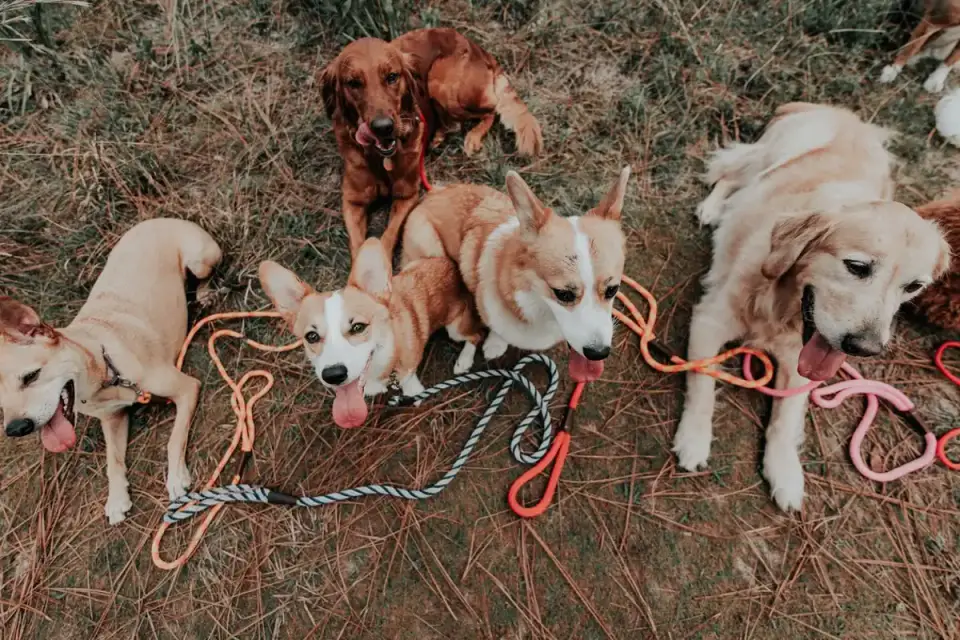
What Plain Nylon Gets Right in Daily Use
Nylon webbing supports everyday function because it is light, strong for its weight, and easy to keep clean. A well-stitched 3/4-inch to 1-inch flat band distributes leash pressure well enough for routine walks, holds embroidery or a tag ring without special care, and dries faster than leather or fabric-covered options after rain.
Fit is forgiving, too. With a side-release buckle and a slide adjuster, most owners can keep the two-finger rule — snug enough to stay over the ears if pulled forward, loose enough to slip two flat fingers under the band — across seasonal coat change. For help getting that number right, see How to Measure Your Dog’s Neck for a Collar.
It dries fast.
That wash-and-go quality may help maintain healthy skin under the collar in normal practice, because owners actually wash it. Rinse mud, soak in warm soapy water, air-dry flat, and the webbing does not stiffen the way neglected leather does. Where the evidence is thin is on any claim that one collar fabric prevents allergy or infection by itself; hygiene, fit, and time off the neck matter more than marketing fiber names.
Where the Plain Option Shows Its Limits
Honest limits keep nylon in its lane. It can fray at the adjustment slot, fade in strong sun, and hold odor if left damp in a crate. Thin, sharp-edged webbing can break coat on long hair, and a loose nylon loop can catch on crate wire or brush.
Coat and friction
Damian’s Corgi ruff is a good example. A wide, stiff band worn 24 hours a day flattened the undercoat and trapped humidity in Houston heat. A narrower, softer-edged nylon band, rotated and removed at night, solved most of it. Owners weighing that trade can compare shape choices in Rolled Leather vs Flat Nylon Collar: Which One Actually Holds Up.
Nighttime and unsupervised wear
No everyday collar is risk-free if worn all the time. General pet-care libraries such as VCA Hospitals remind owners to check fit often and to match collar use to supervision, and that caution applies to nylon as well. For households debating overnight wear, Is It Safe to Leave a Collar On All the Time? walks through the crate, fence, and play trade-offs.
How to Judge Stitching, Hardware, and Fit Before You Pay More
Most upgrades add cost, not function. A higher price may buy nicer dye, padding, or branding, but everyday durability comes from four checks you can do in the aisle.
Stitching
Look for tight, straight box stitching with a bartack where webbing meets buckle and D-ring. Loose loops, skipped stitches, or a single line of stitching near the buckle are early failure points. Edges should feel smooth, not papery or sharp.
Hardware
Solid metal D-rings and a buckle that clicks cleanly without flexing matter more than finish. Plastic side-release buckles support light daily use and are easy for most hands, while metal buckles may help maintain strength over years of sun and washing. Rinse salt and sand from hardware; grit wears both nylon and buckles.
Fit and width
Match width to neck, not just weight. Many Corgi-sized dogs do well in 3/4-inch to 1-inch nylon, while small necks often fit better in 1/2-inch to 5/8-inch to reduce bulk near the jaw. You should be able to rotate the collar lightly without dragging skin, and tags should hang from a dedicated small ring rather than the leash D-ring when possible.
If night visibility is the reason you are shopping up, compare that feature on its own terms in Reflective Vest vs. Light-Up Collar for Visibility on Night Walks before paying for extra collar layers.
My Call for Most Everyday Dogs
Buy the well-stitched plain nylon collar first, fit it carefully, and spend the savings on tags, leash, and training. The best reason to choose differently is specific: daily swimming that favors coated waterproof webbing, a coat that mats badly under flat webbing, or a medical need for harness-only walks.
Even then, keep a simple nylon collar for clean ID on walks and travel. After three weeks back in flat nylon, with nightly time off and a wash every Sunday, Damian’s neck stayed dry and Karen stopped thinking about the collar at all. That quiet result is the point.
Frequently asked questions
How tight should a nylon dog collar fit?
Keep it snug enough that it does not slip over the ears, but loose enough to fit two flat fingers under the band, and recheck after coat changes or weight gain.
Can a nylon collar stay on after swimming?
Rinse it in fresh water, wash with mild soap, and air-dry flat. Do not leave a damp collar bunched on a long coat, which traps moisture against skin.
When should I replace a nylon collar?
Replace it when webbing frays at the adjuster, stitching loosens near the buckle, the buckle flexes or sticks, or the D-ring shows sharp wear.
Sources
- Dog Training Basics — American Kennel Club
- Know Your Pet Library — VCA Hospitals