On this page
For most healthy adult dogs, a flat nylon collar is the wash-and-go default I reach for first — unless the neck is sore or the dog lives in the water.
Nylon does not have to mean stiff and scratchy, and leather does not automatically mean kinder. The feel comes down to weave, width, edge finishing, and fit, not the label alone. That distinction settles most collar arguments before you spend anything.
Decide in 30 seconds
If your dog wears an ID collar daily, gets bathed often, and has normal skin and a dry routine, nylon usually wins on cost and easy washing. If your dog swims several days a week, has a thin coat with rubbing under the collar, or is healing from a hot spot or neck irritation, skip nylon for now.
Kristen in Jersey City weighed that fork with Zion, her 4-year-old neutered male Catahoula Leopard Dog. He wore a flat nylon collar for three-mile neighborhood walks and weekend hikes, and Kristen rinsed it twice a month after muddy outings. When Zion started swimming four mornings a week last summer and came home with a damp, sour-smelling collar and redness under the strap, the everyday setup stopped working. Vets often see that pattern when a water-holding collar stays wet against the skin.
Pick nylon when these three fit your week
Daily wear plus easy cleaning
Nylon supports daily ID wear because it is light, adjustable, widely sized, and simple to wash with mild soap and air-dry. As Britannica notes, nylon is a strong polyamide fiber used in textiles and webbing, which is why flat webbing holds its shape for leash attachment and tags. In day-to-day practice, that strength plus low cost makes it sensible to own two and rotate while one dries.
That rotation is the whole trick.
The American Kennel Club outlines flat collars as the standard choice for holding ID and for attaching a leash on calm walkers, with fit checked so tags and hardware sit flat. I like 3/4-inch to 1-inch widths for most medium dogs, with edges that feel smooth when you run a thumb along them. If you are sizing from scratch, use our guide on How to Measure Your Dog’s Neck for a Collar and recheck after coat changes.
Normal skin and a mostly dry routine
Nylon may help maintain comfort when the neck is healthy, the coat is medium, and the collar can dry fully between outings. Look for a snug two-finger fit, a buckle that closes without forcing, and a D-ring that does not tilt or gap. If your dog wears a collar around the house, review Is It Safe to Leave a Collar On All the Time? and loosen or remove the collar for crate time.
Skip nylon when the neck or water says no
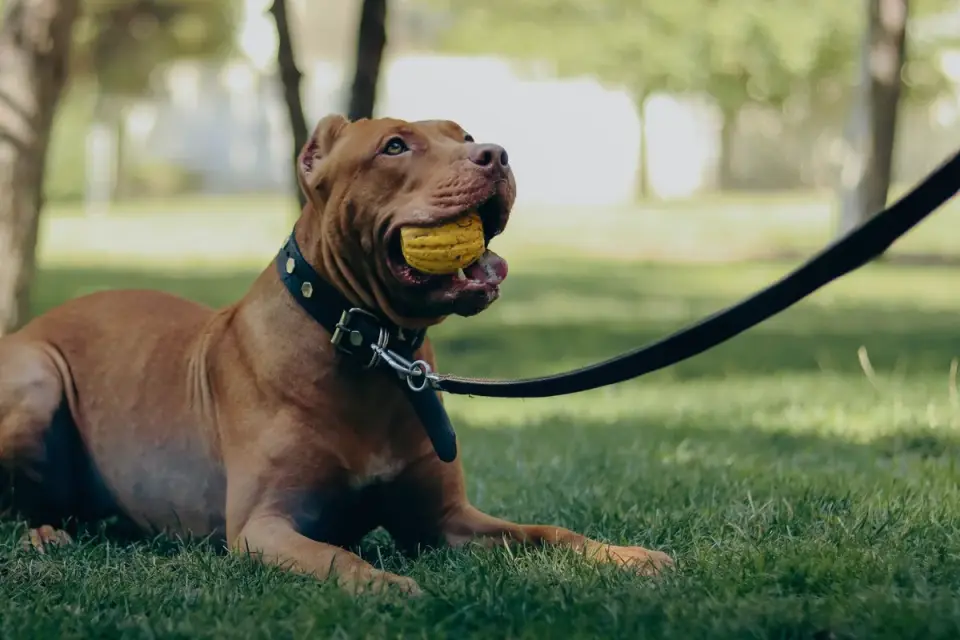
Nylon can fail in two predictable places. It holds moisture longer than coated webbing, and a saturated strap can chafe thin skin, trap odor, and irritate folds. Dogs that swim daily, dock-dive, or get hosed off after every run do better in Biothane or a dedicated swim setup you remove and rinse right away. Our comparison in Biothane vs Nylon vs Leather Long Line: Which Material Actually Holds Up shows the same trade-off on leashes: nylon is handy, coated webbing shrugs off water.
The second skip is sensitivity. Toy breeds, seniors with thinning hair, and dogs with collar-line rubbing, coughing on leash pressure, or healing sores need a softer edge or a different design. Grayson-type cases — small, older dogs with fine coats — often do better with a light rolled collar or a harness for walks and a breakaway ID collar at home. The evidence here is thin for one perfect material, so I judge by the skin in front of me: no red line after two hours, no scratching at the strap, no damp smell by evening.
What I check before any nylon collar goes on
Forget brand talk and run this hands-on check. Wash it once before first wear to soften sizing finish, then air-dry flat. Feel inside seams for raised stitching. Confirm the buckle clicks cleanly five times in a row and the slider does not creep when you tug. Clip on a leash and watch the D-ring — it should stay centered, not pull the collar into a V.
Fit matters more than fabric. You should slide two fingers flat under the strap, turn the collar so hardware sits off the throat, and still see no gaping when the dog looks down to sniff. Puppies need a recheck every two weeks, adults each season. Keep ID on the dog even when you switch to a harness for pulling, and keep collar weight low for small necks.
How I would buy it this week
If your dog is healthy, mostly dry, and needs a daily ID collar, buy flat nylon in the correct width, wash it regularly, and replace it when edges fray or hardware loosens. If swimming or neck rubbing is the pattern, pause nylon and choose a quick-dry or softer option until skin looks normal for a full week.
Your next step is simple: check fit tonight, sniff the webbing, and look under the strap. A clean, dry neck with no mark means your pick is doing its job.
Sources
- Nylon — Britannica