Buy a lamb dog toy for gentle cuddling only, not for unsupervised chewing or power chewers.
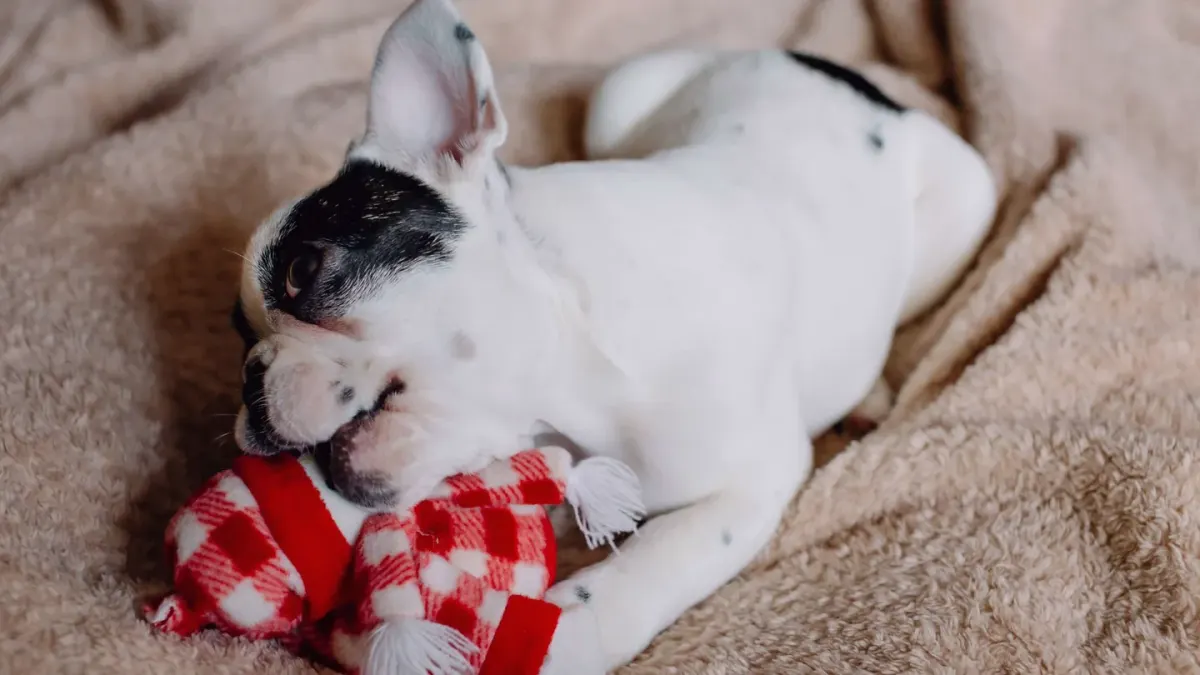
On this page
A lamb dog toy works best as a comfort object for carrying, mouthing during rest, and gentle fetch, not as a chew toy for sustained gnawing. Expect plush seams, bonded fleece, and stuffed limbs to fail quickly under molars built to shear. Reading product construction through that lens prevents the familiar explosion of white stuffing across the living room.
Match the lamb to the mouth in your house
Plush durability depends more on chewing style than brand. A senior dog that carries a toy to bed applies little force. A terrier that dissects squeakers applies focused force to ears, legs, and stitched eyes.
That framework fits lamb plush particularly well because the long legs, floppy ears, and tail invite pulling and plucking.
For gentle mouthers, choose a lamb with embroidered eyes, low-pile plush, and few separate appendages. For moderate chewers, reserve the lamb for together-time and offer rubber or nylon chew toys for solo chewing. For determined dissectors, skip stuffed lambs or buy them with the assumption they are single-session toys. Related chewing context helps here: Chew Toys vs. Edible Chews: What’s the Difference and How to Support Your Dog’s Healthy Toy Chewing.
Read seams, fabric, and stuffing before you buy
Close reading of construction predicts survival better than claims of toughness. Compare products head-to-head on the evidence in hand: fabric weight, seam type, and reinforcement.
Look for tight, double-stitched flat seams with no exposed thread loops. Single-needle serged seams around thin legs tend to open first. Short, dense plush resists matting and tearing better than long, loose pile that catches canines. Reinforced liners or fused interlining add modest tear resistance, although no fabric liner withstands repeated chewing.
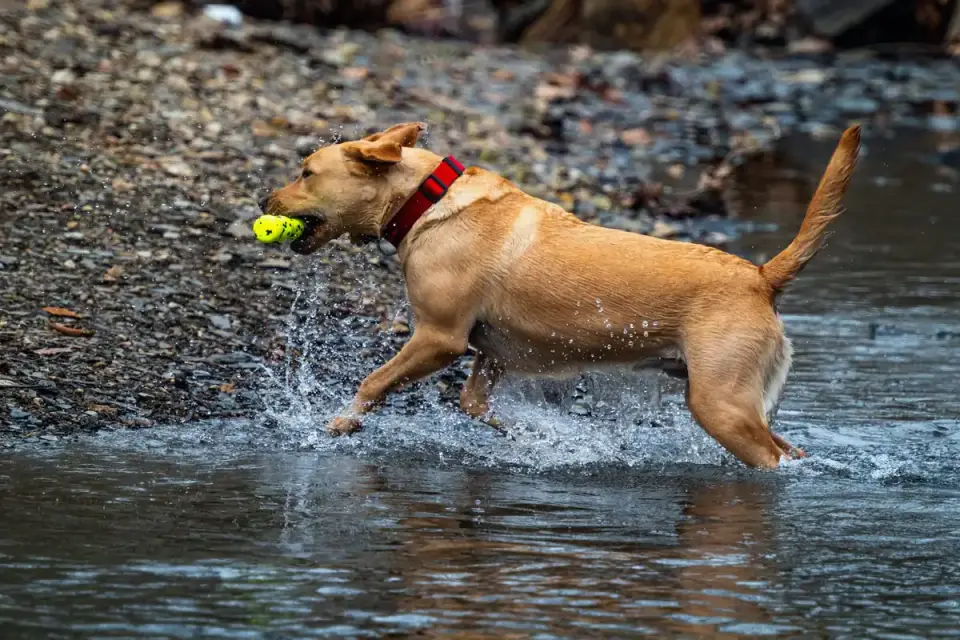
Check the face. Plastic eyes and stitched-on noses are common foreign-body risks when chewed off. Embroidered features reduce that specific risk. Minimal stuffing, flat or unstuffed bodies, and absence of small squeakers also reduce ingestion risk, while crinkle liners add interest without a hard plastic insert. The American Veterinary Medical Association emphasizes supervision, size-appropriate toys, and prompt removal of damaged toys as part of routine dog care.
Size matters for both safety and longevity. A lamb that fits entirely in the mouth encourages whole-toy chomping. A lamb slightly too large to compress invites carrying by a leg or ear, which still stresses that joint. When in doubt, size up for large dogs and retire the toy at the first seam gap.
Use lamb plush for comfort, not for chewing needs
Many dogs use soft toys for self-soothing near rest rather than for vigorous play.
That distinction changes how the toy should be offered. Keep the lamb on the bed or in the crate for quiet time. Offer it after walks or training rather than during peak arousal. Rotate it out of reach when unsupervised excitement builds. I topped kibble in food toys with different foods my dog enjoyed, then saved the soft lamb for rest, which separates food-driven chewing from comfort carrying.
The following observation illustrates that comfort pattern in a home setting. This owner describes a large-breed dog that reserves soft toys for sleep time rather than dissection.
What owners reportMy boerboel has her sleepy plush toys that she sucks on when going to sleep. Strange but true, only left her mom at 12 weeks but needs a sleepy toy.
My recommendation is to preserve that association by limiting lamb plush to calm, supervised rest and directing chewing to appropriate chew toys.
Supervise, wash, and retire on schedule
No plush lamb is indestructible, so management determines safety. Inspect before each session for seam loosening, thinning fabric at the neck and leg joints, exposed stuffing, and squeaker migration toward the surface. Remove the toy for repair or disposal when any defect appears. Guidance on washing and replacement intervals is covered in How to Clean and Disinfect Dog Toys and Interactive Toys vs. Chew Toys: When to Use Each.
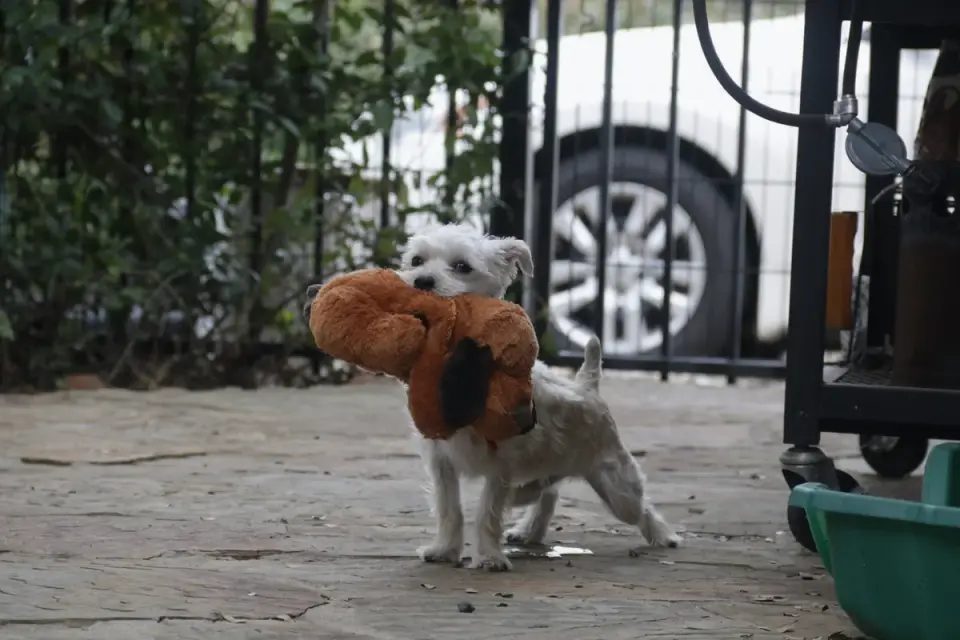
Wash lamb plush on gentle with mild detergent and thorough rinsing, then air-dry completely to prevent matting and odor retention. Frequent washing degrades bonded seams, so owners who need daily washing should choose simpler, unstuffed styles. Dogs that resource guard soft toys, ingest fabric, or vomit or pass stuffing need a different category entirely, such as solid rubber.
Retire the lamb when stuffing shifts into clumps, fabric thins enough to see through, squeakers loosen, or repairs create hard knots. Power chewers that destroy any plush within minutes should not be given lamb toys unsupervised. A durable rubber toy better supports their normal chewing function.
Frequently asked questions
Are lamb plush toys safe for power chewers?
No. Lamb plush is a comfort toy for gentle carrying and supervised cuddling. Dogs that dissect, swallow fabric, or remove squeakers should use solid rubber or other durable chew toys under supervision.
What features help a lamb toy last longer?
Embroidered eyes, short dense plush, minimal stuffing, few dangling limbs, and double-stitched seams last longer for gentle dogs. No construction makes plush chew-proof for determined chewers.
When should I throw away a lamb dog toy?
Discard or repair it at the first open seam, exposed stuffing, loose eye or nose, migrating squeaker, or thinned fabric. Continued use after damage increases ingestion and choking risk.
Sources
- Dog Care — American Veterinary Medical Association