For young or unsettled dogs, a well-fitted crate often brings calmer rest than free roaming until training holds.
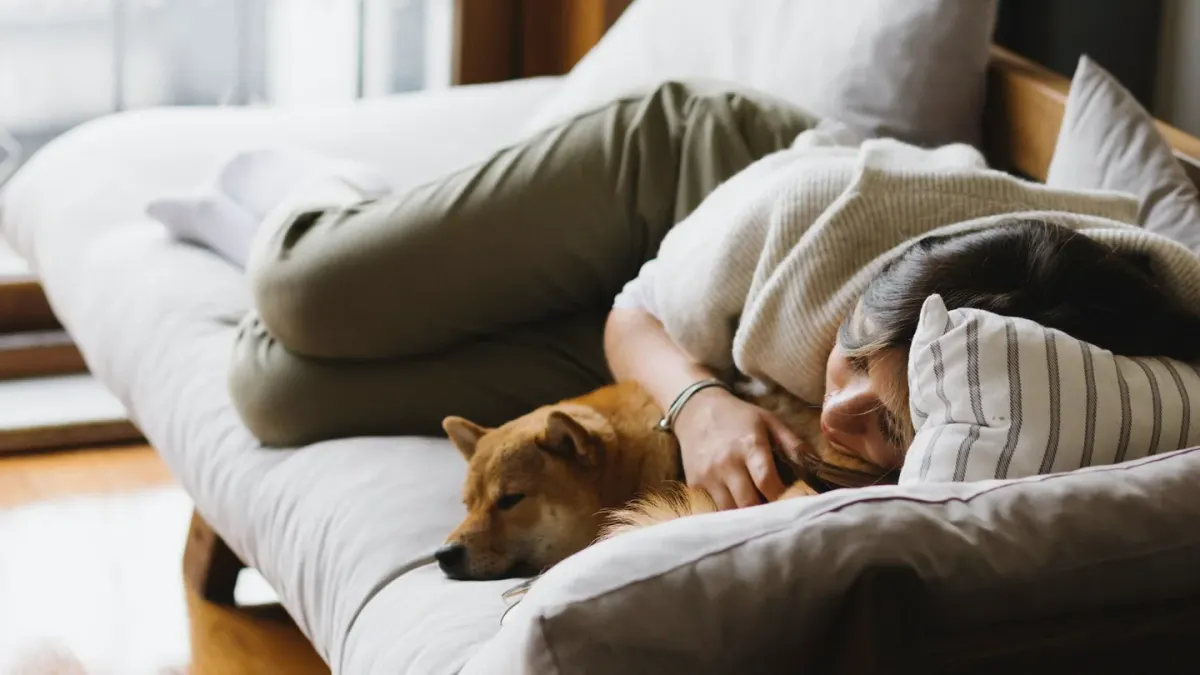
On this page
If your dog cannot yet rest alone without chewing, pacing, or having accidents, start crated and contained rather than loose in the house.
That is the comfort-first fork I return to in practice. Vets often see families worry they are being unkind by closing a door, when the dog is actually more settled with a smaller, predictable space while learning. Choose the crate when the dog is young, newly adopted, anxious at night, or unsafe unsupervised. Leave the dog out when they can hold bladder, leave household items alone, and settle for two to three hours without distress.
Start with what each choice asks of the dog
Crating asks little. Lie down, chew one safe item, sleep. The space stays the same, the bedding smells familiar, and there is nothing to guard or destroy.
Free roaming asks a lot. Ignore shoes and cords, hear street noise without barking through the house, wait hours for a potty break, and self-settle in a large space. Many puppies and unsettled adult dogs cannot yet do that sequence, which is why they do better with containment first.
Keep sessions short at first. Feed meals in the crate with the door open, then close it for five to ten minutes while you stay nearby. Build to an hour, then to a normal nap length. Take a young puppy out for a potty break every two to three hours during the day, and keep overnight crating near you so you hear the stir that means they need to go.
Fit the space before you judge the behavior
A crate should allow standing without crouching, turning around, and lying on the side with legs extended. If it is too large for a puppy, add a divider so the sleeping area stays snug and the puppy is less likely to soil one corner and sleep in another. Place it in a quiet corner of a lived-in room, not in isolation, with a washable bed, a water bowl that cannot tip, and one chew.
Test fit, bedding, and latches the way you would test any gear. Doors should close without pinching, wires should not flex under leaning weight, and plastic pans should slide out for cleaning without sharp edges. If you are comparing setups for the first nights home, How to Set Up a Crate for a New Puppy’s First Night walks through size and placement step by step.
Evelyn in Cleveland faced this with Pucci, her 8-year-old neutered male Doberman Pinscher, after a move left him restless at night. He paced the hallway and whined at doors when given the whole living room, but settled within twenty minutes when Evelyn returned to a smaller routine of crate, covered top, and white noise for two weeks before widening his space again.
Teach calm, then widen the space in stages
Do not move from crate to whole house in one jump.
Move crate to pen, then pen to one gated room, then gated room to larger access. The American Veterinary Society of Animal Behavior emphasizes rewarding calm behavior and keeping training humane, which fits this gradual approach well. Reward quiet settling, not just silence after barking stops. Let the dog earn space with repeated, boring success.
A workable order looks like this:
- Crate for naps and nights for one to two weeks until settling is routine.
- Attach a pen or gate so the dog has crate plus a small potty-safe area when you cannot watch directly.
- Leave the crate door open inside one dog-proofed room for short absences of 30 to 60 minutes.
- Extend to larger access only after a full week without chewing, accidents, or distress vocalizing.
For families weighing gates against pens at this middle stage, Baby Gate vs. Playpen for a New Puppy: Which Is Actually Better? and Crate vs Playpen vs Gated Room for a Dog on Rest lay out sizing and layout tradeoffs that also apply to healthy dogs learning alone time.
Separation distress needs a different plan than normal puppy restlessness. The Merck Veterinary Manual describes separation-related destruction, vocalizing, and house soiling as signs that confinement alone will not resolve, and notes that gradual desensitization and consistent routines matter more than stricter containment.
When leaving them out is the kinder choice
Some dogs find a closed crate harder than a small room. Seniors with stiff joints, dogs with prior confinement fear, and dogs that pant, drool, or injure teeth and nails trying to escape should not be pushed through crate training by force.
Give those dogs a single dog-proofed room with a bed at your height if jumping is hard, non-slip footing, water, and a camera so you can check rest without opening the door. The RSPCA advises that crates should never be used as punishment and that dogs need sufficient space, exercise, and companionship alongside any confinement, which is a useful check when a dog resists.
Keep the routine the same either way. Same bedtime cue, same potty trip, same low light. Comfort grows from repetition.
A simple recommendation to take home
Crate early, phase out with evidence. Use the crate to protect rest and house training, then leave the dog out once calm behavior holds across longer absences.
If nights are calm for seven days, try the open crate in a gated room. If short daytime absences stay clean and quiet for another seven days, widen access by one room. Step back a stage if chewing, accidents, or pacing return. The goal is a dog that can rest well either way, because the training, not the box, holds them.
Frequently asked questions
How long can a dog stay in a crate during the day?
Keep daytime crate periods short, with a midday break for puppies and seniors. Most adult dogs rest best with no more than a few hours at a stretch, plus exercise, potty trips, and time with family before and after.
Should a puppy sleep crated or loose?
Start crated near you for the first weeks. It supports house training, limits chewing, and helps the puppy learn to settle. Widen access once nights stay dry and calm.
What if my dog hates the crate?
Pause and change the setup. Try a larger pen or gated room, keep departures low-key, and reward calm settling. If the dog pants heavily, drools, escapes, or injures themselves, ask your veterinarian about separation anxiety rather than tightening confinement.
Sources
- Position Statements — American Veterinary Society of Animal Behavior
- Behavioral Problems of Dogs — Merck Veterinary Manual
- Dog Crates and Responsible Use — RSPCA