
You’ve got two choices when you see crust in the corner of your dog’s eyes: wipe it calmly at home or pause because something looks off. Most days it’s the first one.
Learning to clean around a dog’s eyes safely is mostly about being gentle, using plain materials, and knowing which changes mean you shouldn’t wipe and wait. That daily-care rhythm supports comfort and may help maintain healthy skin around the eyes, and the evidence is thin that any special wash does more than careful technique.
William noticed this with Gabi, his 3-year-old spayed female Morkie in Santa Maria, California. She’d wake up with dark, damp tracks under both eyes, and he wasn’t sure whether to pick a tear-stain wipe, a warm washcloth, or nothing at all. Once he switched to a once-daily check — soft wipe, then pat dry — her skin stayed drier within about 10 days and he could actually see when one eye looked wetter than usual.
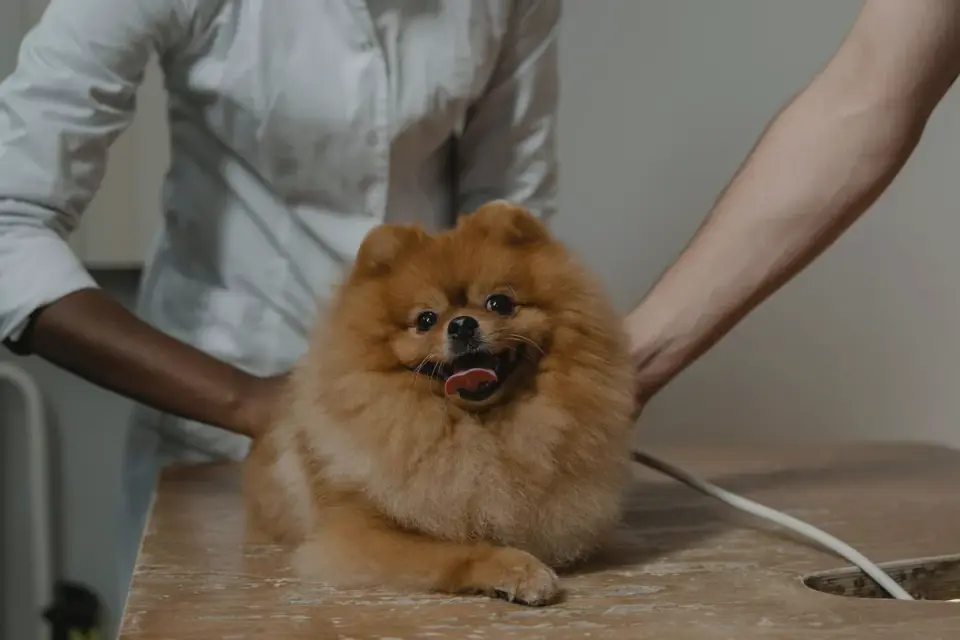
Wipe at home or call first? Start here
You can clean at home when your dog’s eyes are open comfortably, the whites look white, and you’re just removing sleep, dust, or light tearing. Use a different spot on the cloth for each eye so you don’t drag discharge from one side to the other.
Pause the wipe and call your veterinarian first if you see squinting, pawing, redness, swelling, green or thick yellow discharge, a cloudy spot, or a sudden change in tearing. Those signs point to irritation, infection, or corneal injury rather than routine grooming, as outlined by VCA Hospitals on eye discharge in dogs and by the Merck Veterinary Manual overview of eye disorders.
That fork matters more than any product. You’ll never wipe your way out of pain.
What I reach for on a normal morning
You don’t need much. In day-to-day practice, simple holds up better than heavily fragranced wipes or homemade mixes.
Wash your hands, then dampen a soft gauze pad or clean washcloth with lukewarm water and wring it well. Cup your dog’s chin gently, wipe outward from the inner corner, and lift away — don’t scrub back and forth. Then pat the fur dry with a second dry pad, because constant moisture softens skin and traps odor.
Skip hydrogen peroxide, rubbing alcohol, essential oils, makeup remover, and leftover human eye drops. They can sting or irritate the cornea and eyelids. If you like pre-moistened pet eye wipes, look for fragrance-free, pH-balanced options made for eyes and stop using them if redness increases. Honestly, plain water and drying do most of the work.
Does your dog flinch when you come near the face? Keep sessions under a minute, reward stillness, and try again later. Fear Free handling isn’t just kind — you’ll see more clearly when your dog isn’t wriggling.
When tearing keeps coming back
Some flat-faced breeds, poodle mixes, and long-haired small dogs tear more because hair wicks moisture or eyelids don’t seal tightly. That’s where trimming helps, and it pairs directly with wiping.
If hair touches the eye, keep it clean rather than cutting close to the lashes yourself. You can read how to judge that line in How to Trim the Hair Around a Dog’s Eyes Safely before you pick up scissors. For the bigger picture on what’s reasonable at home, At-Home Grooming vs a Professional Groomer: How to Actually Decide can help you decide when to hand it to a groomer.
Vets often see owners worry about brown staining. Staining itself is usually porphyrin in tears, not infection — but if the skin underneath stays red, moist, or smells sour despite daily drying, that’s a recheck, not a stronger wipe.
So what would I actually defend? Daily lukewarm-water wipe, thorough pat-dry, no harsh products, and a low threshold to call.
What if you’re still unsure after one gentle cleaning? You’re right to wonder. A single calm wipe won’t hide a real eye problem for long — pain, squinting, or colored discharge will persist, and that persistence is your answer to seek care promptly.
Frequently asked questions
How often should I wipe around my dog's eyes?
For most dogs, a quick daily check is enough — wipe away light crust with damp gauze and pat dry. Wipe more often only if your vet advises it for heavy tearing, and call if discharge turns thick, green, or yellow.
Can I use tap water or saline to clean around the eyes?
Lukewarm tap water on soft gauze is fine for the fur around the eyes. Don't flush the eye itself or use homemade salt mixes unless your veterinarian directs you to.
Sources
- Eye Discharge or Epiphora in Dogs — VCA Hospitals