
On this page
The Fork: Reach for the Bottle, or Call the Vet First?
Before you touch the medicine cabinet, run your dog through this checklist. If any box goes unchecked, loperamide waits and the phone call to your vet happens first.
- Breed check: No Collie, Australian Shepherd, Sheltie, Old English Sheepdog, German Shepherd, or herding-mix ancestry, confirmed or suspected.
- Duration: Stool has been loose for less than 24 hours, not recurring over weeks.
- Appearance: No blood, no black tarry stool, no mucus streaking.
- Behavior: Dog is eating, drinking, and acting normal otherwise — not lethargic, not vomiting.
- Age and history: Adult dog, no known kidney or liver disease, not currently on other medications.
If your dog clears every line, loperamide might be a reasonable, vet-directed short-term option. If even one line fails, this isn’t a loperamide question anymore — it’s a diagnosis question, and the drug stays in the cabinet.
What Loperamide Actually Does Inside the Gut
Loperamide slows intestinal transit by binding opioid receptors in the gut wall, which is the same mechanism that makes it effective in humans with traveler’s diarrhea. In a normal dog, a protein pump called P-glycoprotein — coded for by the MDR1 gene — keeps loperamide from crossing into the brain, so the drug stays local and does its job in the intestine. That’s the whole theory behind giving it to a dog at all: local effect, minimal central nervous system exposure. It’s a tidy mechanism right up until the pump itself is broken.
Imodium and its active ingredient are approved by the FDA for human use only. Any veterinary use, per the FDA, falls under the Animal Medicinal Drug Use Clarification Act — meaning a licensed vet can direct extra-label use, but there is no approved canine dose printed on any label, and no owner should be inventing one from a human dosing chart. According to VCA Animal Hospitals, the drug carries its own list of side effects and warnings even in dogs who tolerate it fine, including sedation and constipation, which is part of why it’s treated as a short-term tool at most, not a standing fix.
Imagine a working Australian Shepherd who spends her days moving cattle on a ranch outside Bozeman. She’s fit, food-motivated, and has never had a sick day that her handler can remember. One evening her stool goes soft after a change in feed, and the instinct is to reach for the same Imodium the handler keeps in his own bag for road trips. That instinct is exactly where this drug goes wrong. A dog built like this one is a textbook candidate for the MDR1 mutation, and the dose that would settle a Labrador’s stomach can instead push loperamide straight past a broken blood-brain barrier. The mechanism that makes the drug useful in one dog is the same mechanism that makes it dangerous in another, and there’s no way to tell which dog you have without a test or a vet’s judgment call.
The Breed Question Nobody Gets to Skip
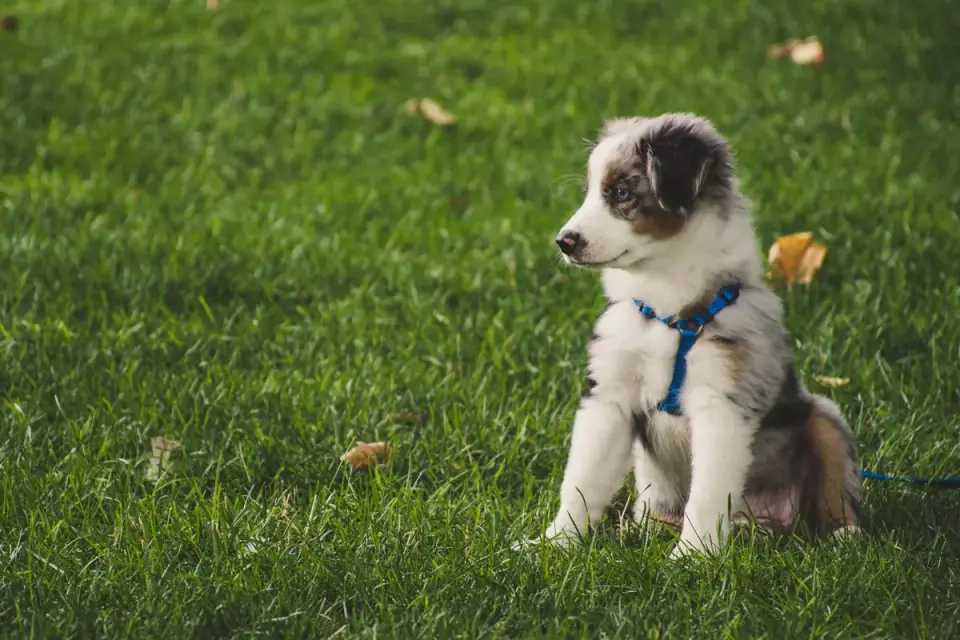
According to Washington State University, the breeds most commonly carrying the MDR1 mutation include Collies, Australian Shepherds, Shetland Sheepdogs, Old English Sheepdogs, English Shepherds, German Shepherds, Longhaired Whippets, McNabs, and Silken Windhounds. Mixed-breed dogs with any of that ancestry inherit the same risk, and without a swab test, you simply won’t know.
A case report published via PubMed documented loperamide poisoning in a dog, laying out the same neurological picture veterinary toxicologists still see today: depression, ataxia, and respiratory compromise following ordinary antidiarrheal dosing. That’s not an outlier reaction. It’s the predictable outcome in a dog whose P-glycoprotein pump doesn’t work, and it’s why a working-dog handler doesn’t treat this drug the way they’d treat a bland-diet day.
If you don’t know your dog’s genetic background for certain, the safest working assumption is that you don’t give this drug at home. A cheek-swab MDR1 test from a veterinary genetics lab settles the question permanently, and it’s worth doing once rather than gambling every time diarrhea shows up.
When Diarrhea Isn’t a One-Dose Problem
Here’s the part that gets skipped in most home-remedy conversations: loperamide, even in a dog who tolerates it, only masks a symptom. It doesn’t touch whatever’s causing the loose stool in the first place, and repeated or recurring diarrhea needs a workup, not a repeat dose.
Consider a nine-year-old Labrador who’s been losing weight for two months despite a normal appetite, with stool that’s gone from occasional soft serve to daily and greasy. That pattern points toward something structural, not a one-off dietary upset — exocrine pancreatic insufficiency is one condition that produces exactly this picture, and per JAVMA, it’s treated with pancreatic enzyme replacement, a low-residue moderate-fat diet, and cobalamin supplementation, not an antidiarrheal. Reaching for loperamide in a dog like this wouldn’t just be off-target; it would delay a diagnosis that has a real, manageable treatment plan.
Gut microbiome balance matters here too. A study in Frontiers in Veterinary Science looking at probiotic response in dogs with digestive upset found that diversity metrics did not distinguish non-responders from responders — a reminder that what looks like the same symptom on the surface can have very different underlying gut dynamics dog to dog. That’s part of why owners weighing a bigger bag of probiotic chews as a longer-term gut-support strategy should treat it as a separate decision from acute-episode management, not a substitute for it.
For the mild, short-lived cases that do clear the checklist, a bland diet is still the first move most vets recommend before any drug enters the conversation. Boiled chicken and rice, or a spoonful of plain sweet potato prepared without added fat or seasoning, gives the gut something gentle to work with while inflammation settles. Keep the dog resting and quiet during that window rather than pushing normal exercise; a house-bound recovery day is a fine excuse to lean on some of the same low-key mental enrichment ideas used for dogs on activity restriction.
What I’d Actually Tell a Handler
I’ve spent enough time around working dogs to know the appeal of a quick fix when a dog’s on a schedule and a job to do. But the math here isn’t close. A tablet costs pennies; an emergency visit for loperamide toxicosis costs real money and puts a dog through something entirely avoidable. My rule is simple: know the breed, know the duration, know what the stool looks like, and when any of those are uncertain, the vet call happens before the pill does. That’s not caution for its own sake — it’s just respecting what the drug can do in the wrong dog.
In short: loperamide has a place in canine care, but only after you’ve ruled out the dogs it can hurt and the diarrhea it can’t fix.
Frequently asked questions
Is Imodium the same thing as loperamide?
Yes. Imodium is the brand name; loperamide is the active drug. Both plain loperamide tablets and Imodium A-D contain the same ingredient, so read labels carefully and avoid combination formulas with simethicone or other additives.
What breeds should never get loperamide?
Collies, Australian Shepherds, Shetland Sheepdogs, Old English Sheepdogs, English Shepherds, German Shepherds, Longhaired Whippets, McNabs, and Silken Windhounds carry the highest documented rates of the MDR1 mutation, and mixed-breed dogs with any herding ancestry should be treated as at-risk until tested.
How much Imodium can I give my dog?
There is no FDA-approved canine dose because loperamide is not approved for veterinary use at all; any dosing is extra-label and should come from your own vet, who will weigh your dog's breed, weight, and history before recommending anything.
What are the signs of loperamide toxicity in dogs?
Watch for lethargy, difficulty walking, dilated pupils, excessive drooling, vomiting, slow heart rate, and in severe cases blindness or seizures — these warrant an emergency vet visit, not a wait-and-see approach.
Sources
- Dog breeds commonly affected by MDR1 mutation — Washington State University
- Loperamide poisoning in the dog — PubMed
- Animal Medicinal Drug Use Clarification Act of 1994 (AMDUCA) — FDA
- Loperamide — VCA Animal Hospitals
- Diet, Prognostic Factors, and Treatment Considerations for Exocrine Pancreatic Insufficiency — JAVMA
- Gut Microbiome Shifts and Probiotic Response in Dogs — Frontiers in Veterinary Science