Dog mouth wash helps breath a little, but daily brushing and VOHC chews matter far more for plaque.
Alvin noticed it during evening cuddles with Inky, his 3-year-old Boston Terrier mix in Salt Lake City: breath that could clear a room, plus a thin brown line along the upper canines that did not wipe off after three days of water additive in the bowl.
That fork is familiar to many owners. Keep paying for a rinse in the water, or switch that effort to something that physically removes plaque from the tooth surface.
Water additives and so-called dog mouth wash products work by diluting antiseptics, enzymes, or zinc compounds in drinking water. Dogs swallow the solution throughout the day, so contact time with plaque is brief and uneven. A product that carries the Veterinary Oral Health Council seal has submitted trial data for plaque or tartar reduction, which helps narrow the field.
Brush first, then decide if a rinse earns a place
Plaque is a biofilm that reforms within 24 to 72 hours and hardens into tartar that no rinse can dissolve. Toothbrush bristles disrupt that film through direct contact, especially along the gumline of the upper premolars and canines where periodontal disease often starts.
The American Veterinary Dental College describes daily brushing as the reference standard for home care, with dental diets, chews, and professional cleaning as supporting tools. That hierarchy matters because owners have limited time and cooperation from the dog.
In practice, vets often see breath improve a little with additives while plaque scores barely move. Brushing three to four evenings per week usually changes the gumline more than a month of treated water.
Where chews beat a bowl additive
Dental-friendly chews clean through abrasion and prolonged chewing time. The effect depends on texture, size, and whether the dog actually chews rather than gulps.
For dogs that resist a brush, a chew with published plaque data is a stronger second choice than a rinse. Pair it with the toy rotation many owners already use, and choose textures that give without splintering. Our comparison of Chew Toys vs. Edible Chews: What’s the Difference explains which forms hold up for aggressive chewers, and How to Clean and Disinfect Dog Toys helps keep rubber dental toys from carrying bacteria back to the mouth.
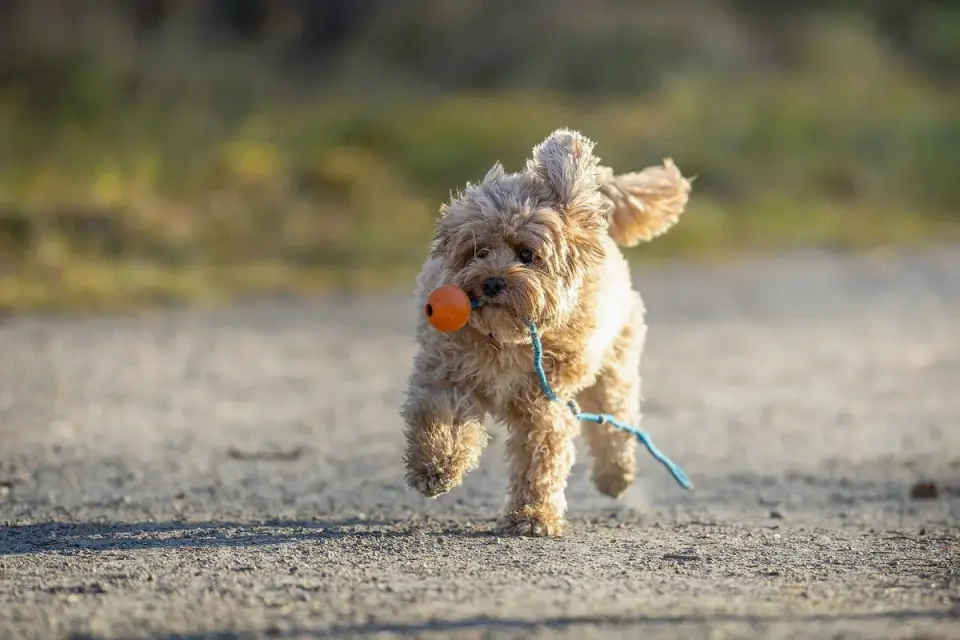
Cathy faced the same tradeoff with Matisse, her 2-year-old Portuguese Water Dog in Thousand Oaks. Matisse drank around the additive for two weeks, then chewed a sized dental chew in about six minutes per evening. Breath scores were similar, but the gumline looked less red after brushing was added back three times per week.
Skip the additive entirely if water intake drops, if multiple pets share a bowl with different dosing needs, or if diabetes, kidney disease, or xylitol sensitivity makes unsupervised additives risky.
Keep it simple and check the mouth monthly
Use an additive only after brushing and a proven chew are already in place, and only if the dog drinks normally and the label lists all ingredients and feeding directions.
Lift the lips once a month and look for red gums, yellow-brown tartar, broken teeth, drooling, pawing at the face, or reluctance to pick up Interactive Toys vs. Chew Toys: When to Use Each. Those signs warrant a veterinary dental exam rather than a stronger rinse.

Bad breath with appetite loss, bleeding, loose teeth, or facial swelling needs prompt care.
For most dogs, plain fresh water, a soft brush, enzymatic toothpaste made for dogs, and an appropriately sized chew support normal oral function better than any mouth wash routine alone.
Frequently asked questions
Does dog mouth wash remove tartar?
No. Once plaque has mineralized into tartar, it needs professional removal. Brushing disrupts soft plaque before it hardens.
Is dog mouth wash safe for every dog?
Not necessarily. Shared bowls, low water intake, and conditions that affect thirst or metabolism make additives a poor fit. Check ingredients and ask your veterinarian first.
Sources
- Accepted Products for Dogs — Veterinary Oral Health Council
- Owner Information — American Veterinary Dental College