On this page
I’ve sat on a lot of living room floors with owners who just watched their dog balk at the top of a new ramp — front paws planted, tail low, clearly unwilling to commit. The ramp was the right idea. The surface was the problem.
That’s really the whole decision, once you strip away the marketing photos: does the surface under a dog’s paws let them commit their weight confidently at whatever angle the ramp sits, or does it make them hesitate, scrabble, or slide. Carpet, rubber, and turf all show up on ramps sold for cars, couches, and beds, and each behaves differently once gravity gets involved.
What carpet actually gives you, and where it fails
Carpet is the default surface on a lot of budget and mid-range ramps because it’s familiar underfoot and quiet. Dogs who already walk on carpet at home often step onto a carpeted ramp without a second thought, and the softness is genuinely comfortable for a dog with thin paw pads or early joint sensitivity.
The catch is the incline. Flat carpet and inclined carpet are not the same surface. Once you tilt a carpeted panel, the fibers that felt grippy on a flat floor compress under a dog’s weight and can become surprisingly slick, especially on the descent, where a dog’s front paws are absorbing both body weight and momentum. Carpet also holds moisture, drool, and mud, which makes it harder to keep hygienic and can further reduce grip on days when a dog comes in from a muddy yard — the same reason a well-chosen surface matters at a messy dog’s feeding station, where material and cleanability drive the decision just as much as comfort does.
Why rubber tends to win the incline
Rubber and rubberized textured coatings are built for exactly the problem carpet struggles with: maintaining grip at an angle. According to veterinary guidance on rubberflooring4u, rubber matting tends to provide better grip on a dog ramp, and unlike carpet, that grip barely changes whether the surface is dry, damp, or covered in a light layer of dust from the trunk of a car. Rubber wipes clean in seconds, which matters if the ramp lives in a garage or gets used after muddy walks.
The tradeoffs are real, though. Rubber can be louder under claws, and some dogs — particularly ones who’ve never walked on anything but carpet or grass — need a session or two to get comfortable with the texture and the sound. It’s also a firmer surface than carpet, so a ramp with rubber matting but no cushioned base can feel harsh to a dog with very sensitive paws.
Turf: a narrower use case than it looks
Turf shows up mostly on outdoor ramps and dock-style ramps, where drainage and weather resistance matter more than they do on an indoor bed ramp. It offers decent traction when dry, similar in spirit to a rubber-backed carpet, but it can mat down and lose grip once it’s repeatedly wet, and it tends to trap dirt in ways that are hard to fully rinse out. For a dog who’s outdoors more than in, turf is a reasonable middle ground; for an indoor ramp used daily to a bed or couch, it rarely beats a purpose-built rubber surface.
I once worked with a twelve-year-old Labrador named Gus, sixty-some pounds, whose owner had bought him a nicely built wooden ramp with a plush carpet runner for the back seat of her SUV. Gus refused to use it after the first week — he’d get halfway up, slip slightly, and jump back down onto the pavement instead, which was exactly the impact she’d bought the ramp to prevent. Swapping the runner for a textured rubber mat solved it within days. The incline hadn’t changed. The surface had.
Matching the surface to the ramp’s actual angle
A ramp that sits nearly flat, going up two or three inches to a low step, is forgiving of almost any surface, including carpet. The steeper the ramp — which is common with tall SUVs, trucks, and beds with a high mattress — the more the surface matters, because a dog’s paws are doing more work to control their descent against gravity. If you can’t test the ramp in your own home before committing, look for a ramp that specifies a rubber or textured non-slip surface rather than one that only advertises carpet as a comfort feature.
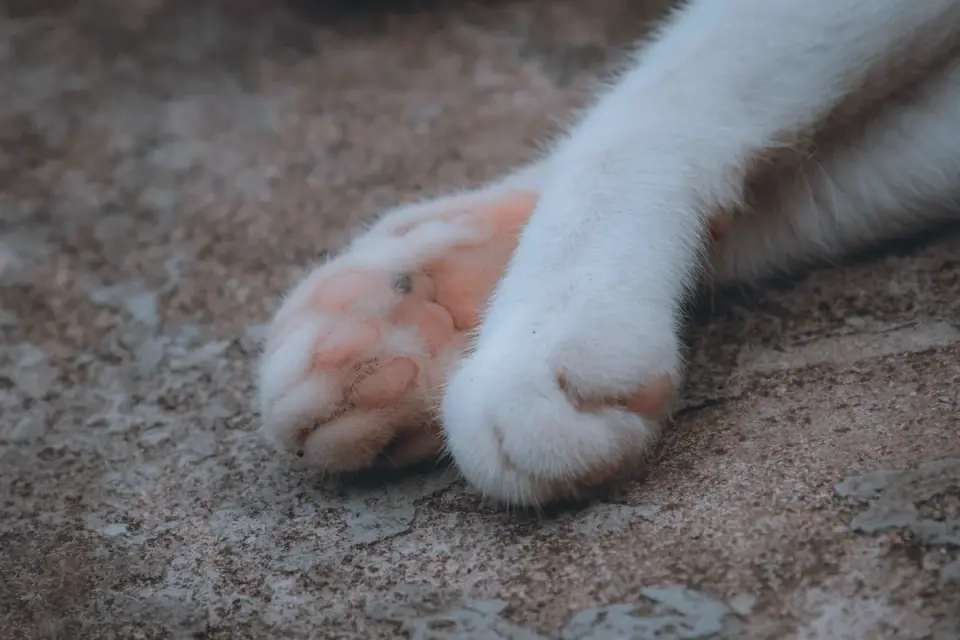
Weight and mobility status matter too. According to Helping Your Dog with Osteoarthritis: VCA Animal Hospitals, ramps are a practical way to reduce stress on painful joints for dogs with osteoarthritis, but that benefit only holds if the dog will actually use the ramp confidently — a dog who hesitates or slips on a bad surface may end up jumping anyway, defeating the purpose. The American College of Veterinary Surgeons notes that osteoarthritis causes lameness, joint swelling, and difficulty with normal movement, which is exactly the population a ramp is meant to serve — and exactly the population that can least afford a slick surface and a bad fall.
For dogs managing joint pain day to day, ramp surface is one small piece of a bigger picture that also includes weight management and activity level; Exercising Dogs with Osteoarthritis: VCA Animal Hospitals covers how controlled exercise fits into that broader plan.
I think often about how much of this comes down to trust rather than engineering. A ramp is asking a dog to do something that doesn’t come naturally — walk down an incline instead of jumping, which every instinct tells them is faster and simpler. The families I talk with aren’t worried about the ramp’s weight rating or its foldability. They’re worried their dog won’t use it, or will get hurt trying. That worry is the whole reason the surface matters more than almost any other spec on the box. A ramp a dog trusts gets used every day. A ramp a dog doesn’t trust becomes an expensive object by the couch that everyone steps over.
If your dog is transitioning from a crate or a gated space into using new equipment for the first time, the same patience applies — much like setting up a crate for a puppy’s first night, go slow, make the surface predictable, and let the dog set the pace rather than pushing them onto an unfamiliar incline all at once.

A brief recap
Carpet feels familiar and cushions paws well on flat ground, but it tends to lose grip once a ramp is angled, particularly on the way down. Rubber holds traction at an incline in wet or dry conditions and cleans up easily, though it’s firmer and a little louder underfoot. Turf sits in between and suits outdoor or dock ramps better than a steep indoor ramp to a bed or car. If you have to pick one surface for a ramp your dog will use daily, especially one with any real angle to it, rubber or a rubber-textured coating is the safer bet for keeping a dog’s confidence — and their joints — intact.
Frequently asked questions
Is rubber always better than carpet for a dog ramp?
For most inclined ramps, yes — rubber holds traction more consistently as the angle increases and in damp conditions. Carpet can still work well on very shallow ramps or for dogs with sensitive paws who need extra cushioning.
Can I add a rubber mat to a carpeted ramp I already own?
Often, yes. A textured rubber runner or non-slip mat placed over an existing carpeted ramp can solve traction problems without replacing the whole ramp.
Sources
- Non-Slip Flooring for Dogs — Rubberflooring4U
- Helping Your Dog with Osteoarthritis — VCA Animal Hospitals
- Osteoarthritis in Dogs — American College of Veterinary Surgeons
- Exercising Dogs with Osteoarthritis — VCA Animal Hospitals