An automatic ball thrower for dogs works outdoors only as supervised exercise in a fenced, clear yard space.
On this page
An automatic ball thrower for dogs works outdoors only as supervised exercise in a fenced, clear yard space.
If your yard can contain the bounce and you can stay within arm’s reach of the off switch, a machine can be a useful workout tool. If either answer is no, stick with a hand throw until the setup changes.
Outdoor-ready checklist — run this before you plug in:
- Fenced rectangle with 30+ feet of clear runout past the longest setting
- Flat, grippy grass or packed dirt — no concrete launch zone, no slope into a fence
- Right ball size that cannot slip behind the canines, plus 2–3 dry spares
- Weather check: shade, water, and a heat cutoff; wet balls stay inside
- You supervising the whole session, with a 10–15 minute cap and a place cue to pause
Pick the yard spot before you pick the settings
Start low and short. Most machines throw farther than owners expect once a ball gets a yard bounce, so point the chute down the longest open line, away from garden beds, steps, patios, and the road side of the fence. The American Kennel Club notes that exercise needs vary by age, breed, and health, which is why distance is a dial to earn, not a default to max out.
Bryan learned this with Tao, his 4-year-old spayed Labradoodle in Sandy Springs, Georgia. She sprinted hard for six throws, then started wide-turning and panting with a long tongue. He moved the machine from 25 feet to its lowest arc, put a mat at his side for resets, and capped the session at 12 throws over 10 minutes. The observable change — tighter turns and a quicker return — told him the shorter setting fit her that day.
Keep the landing zone clean. Pick up sticks, holes, and chew debris, and check that fence boards have no ball-wide gaps. For ball choice, see Tennis Balls vs. Rubber Balls for Fetch: Which One Should You Actually Throw? before you stock the hopper.
Set footing, angle, and reps for joints and recovery
Food therapy and rehab teach the same lesson: what a supplement can realistically do for diet, mobility, and recovery is modest next to what smart loading does every day. Flat footing, warm-up walking, and straight-line retrieves may help support comfortable movement better than any powder added later.
Use grass that is mowed but not slick, and avoid launching onto concrete or pea gravel where claws skate on the stop. Set the angle low so the ball bounces once rather than lobbing high and encouraging leaps and twisting catches. Ground an integrative claim in the nutritional evidence: adequate protein and balanced minerals support muscle and bone maintenance, but they do not make a bad surface safe.
Work in sets. Try 3–5 throws, then a sit or place break, sniff, and drink. End while the dog still wants one more.
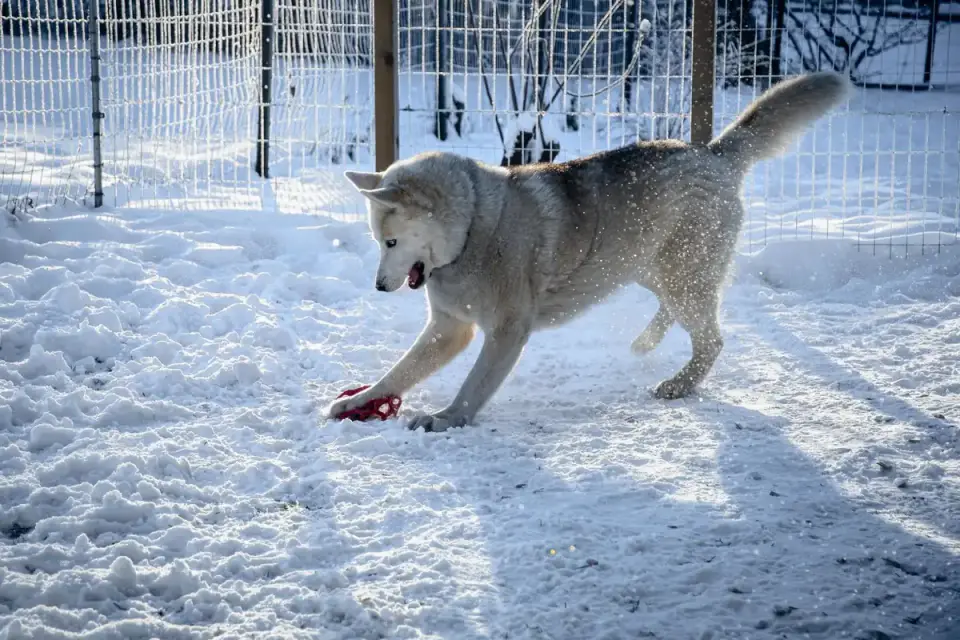
Vets often see overuse soreness after weekend machine sessions that ran too long on hard ground. In practice, short supervised blocks with rest days hold up better than daily marathons.
Heat, water, and when to unplug it
Outdoor machines tempt owners to outsource play on hot days. Don’t.
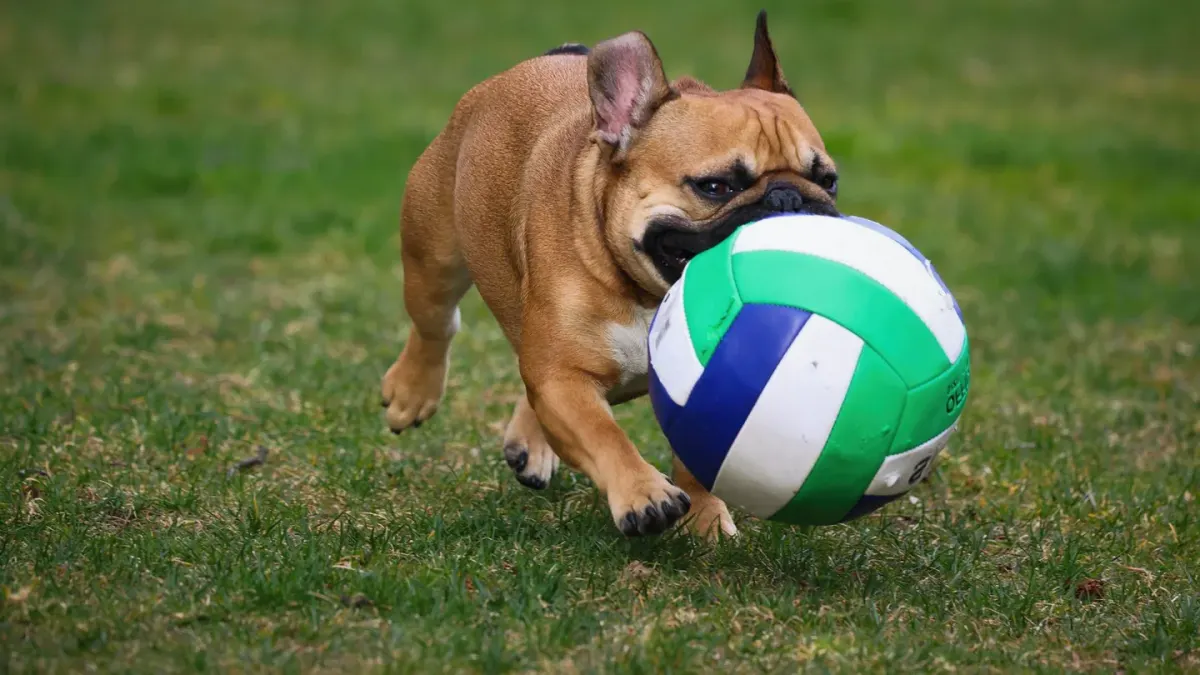
Bring shade and fresh water to the field, watch for heavy panting, drooling, lagging, or seeking shade, and stop early. The American Veterinary Medical Association reminds owners that heat risk rises fast with exercise, humidity, and brachycephalic or older dogs. When the pavement is hot to your hand, keep the session off or move it to cool morning hours.
Wet or muddy balls jam motors and get chewed more. Rotate dry spares, wipe the chute, and end the game if the dog starts guarding, chewing the ball in place, limping, or ignoring the recall to reset.
For hot-weather alternatives, try Backyard Sprinkler and Splash Games for Hot Days or How to Exercise a Dog Indoors With Toys During Bad Weather.
Keep the machine and balls clean without killing the habit
Dirt and slobber are the main reason outdoor units misfire. Knock off grass before loading, let balls dry fully, and store the unit indoors. Cracked, soggy, or undersized balls go in the trash — they are a choking and dental-wear risk. For routine care, follow How to Clean and Disinfect Dog Toys.
Supervised play is the whole point.
My call for most yards: use the thrower for one focused 10-minute block, stay in the game as the starter and spotter, then put the balls up. That keeps it exercise, not obsession.
Frequently asked questions
Can I leave my dog alone with an automatic ball thrower outside?
No. Stay with the dog, keep sessions to 10–15 minutes with rest breaks, and unplug and remove balls when you step away to prevent overexertion, chewing, or escape attempts.
How much space does an outdoor automatic thrower need?
Use a fully fenced area with clear runout beyond the longest setting, ideally 30+ feet, with flat grass and the chute aimed away from fences, steps, and streets.
Sources
- How Much Exercise Does a Dog Need? — American Kennel Club
- Protect Your Pets From Heat — American Veterinary Medical Association