On this page
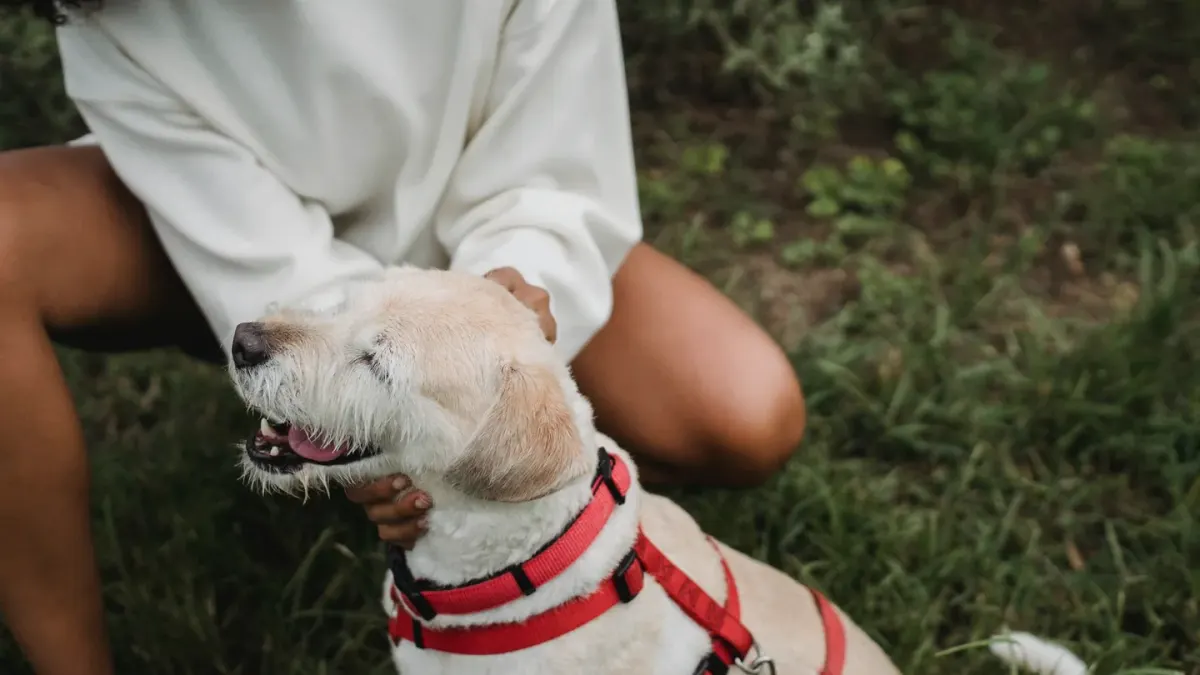
Older dogs would rather sniff than march on because sniffing pays better for tired joints and curious brains. You see it at the end of the driveway: you’re ready for the loop, your dog is already parked at the third grass tuft, nose down, tail doing a slow metronome.
The fork in the sidewalk: loop or sniff-spot?
Last spring I walked with a 13-year-old Labrador mix and her person at a neighborhood park, eight days after a hind-end slip on hardwood floors had left everyone nervous. The plan had been our old 1.2-mile loop. The dog had a different plan. She walked 40 yards, sniffed a fence post for a full minute, sat, then looked back toward the bench. Her owner felt guilty cutting it short. I didn’t. We did three 5-minute sniff stops instead of a mile, checked paw placement on the curb, watched her hind legs for swaying, and she trotted home brighter than she’d been in weeks. That day reframed the choice: are you counting miles, or are you counting good minutes?
That trade is physiology, not stubbornness. As dogs age, cartilage thins, muscle mass slips from the thighs and spine, and proprioception gets fuzzy. Long, steady marching fatigues weak hindquarters fast, while pausing to sniff unloads the joints and lets muscles reset. At the same time the nose stays remarkably capable. As the National Institutes of Health explains, scent processing occupies a huge share of the canine brain, so a few minutes of sniffing delivers mental work without the orthopedic bill of another half-mile.
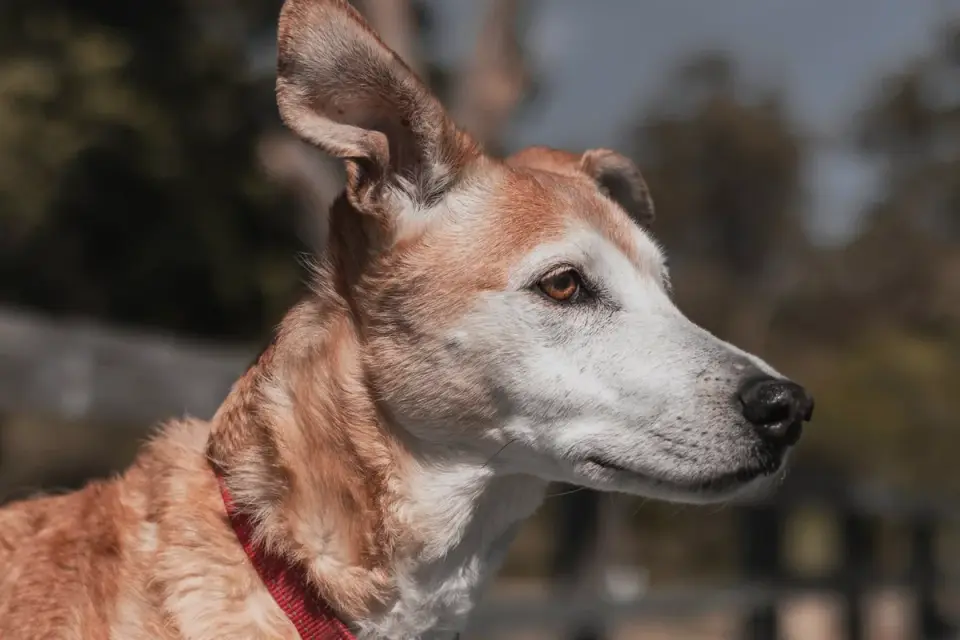
Why the nose wins when legs get tired
Think pattern and function, not hype. In my full-spectrum lens, most seniors I see run a little Kidney Qi deficiency with some Qi and Blood stagnation — translation: less drive uphill, stiffer starts, slower recovery. A long forced march drains what’s already low. Short sniff-led outings preserve it.
That’s why I braid the four modalities into one whole-patient plan instead of chasing one fix. Acupuncture may help support hind-end proprioception and comfort, gentle Tui-na along the paraspinals and thighs helps maintain circulation before a walk, food therapy keeps meals warm, digestible and muscle-supportive, and herbs — chosen by pattern, never by label — may help support normal recovery after activity. No single chew or session carries the walk; the braid does.
If you’re sorting new hind-end wobble from normal slowing, read Dog Hind Leg Weakness: The 48-Hour Split That Tells You What You’re Actually Dealing With and keep Dog Back Legs Giving Out: The Checklist to Run Before You Panic on your phone for walk day.
The distance trap I still see
I learned this the hard way with a broad-chested, 78-pound bully-type senior who lived for long Saturday hikes. His owner, trying to keep him young, kept pushing a 0.4-mile hill loop even as he started lagging at the turnaround, panting hard and needing a lift into the SUV. We swapped to a flat sniff circuit for two weeks: drive to the field, let him choose bushes, 10 minutes total, home for a warm meal and a rub-down. He still faded. That failure mattered — it told us this wasn’t deconditioning. His dragging rear toes and crossing over pointed to neurologic weakness, not sore muscles, and he needed an exam, not more enrichment. Sniff walks are a great lens, but they don’t replace workup when deficits progress.
You get more from less when you let the dog set pace. I tell owners to score gear the way I do in the field: fit, durability, comfort, value. A front-clip harness that doesn’t chafe the armpits wins on comfort for a stop-start sniffer; a 15-foot long line wins on value because you stop fighting the leash at every smell. Skip the headcollar that kills sniffing posture.
The American Veterinary Medical Association reminds owners that senior care is about adjusting exercise and watching weight and comfort closely, and that fits what I see: shorter, more frequent outings beat one big march.
When you have to bend the sniff-walk rule
Not every dog gets the meadow. A tiny 9-pound senior with collapsing trachea and nighttime restlessness couldn’t handle even cool morning air without coughing, and his owner was doing four brief balcony potty trips a day with zero enrichment. We bent the usual advice. Instead of outdoor mileage, we built indoor nose work: three muffin-tin games with kibble under tennis balls, twice daily, plus a slow hallway wander with lots of doorframe sniffs. Within a week his evening pacing eased and he settled faster after dinner, choosing his bed over circling the couch. The function was the same — nose, choice, low joint load — just moved inside where his airway stayed calm.
That’s the skeptical-friend question I hear: isn’t this just letting him get lazy? No. You’re reallocating effort from distance he can’t afford to brain work that keeps him oriented. And for muscle, pair it with protein-adequate meals and gentle strength — hill-free weight shifts, cookie stretches — not just longer walks. For a simple at-home check, see How to Measure Muscle Condition Score in a Senior Dog and if you’re browsing the aisle, Dog Muscle Supplements, Reviewed on the Merits: What Actually Holds Up will keep you grounded.
So what do I actually recommend? Trade one long walk for two or three sniff-first micro-walks. Let him choose the direction for five minutes. Watch the rear, not the route.
What would change if tomorrow’s walk was measured in good sniffs, not blocks?
Frequently asked questions
Is it okay to let my senior dog just sniff instead of walking?
Yes, for most seniors. Short, dog-paced sniff sessions provide enrichment with less fatigue. Keep total time brief, watch for lameness or heavy panting, and check with your vet if weakness is new or worsening.
How long should a sniff walk be?
Start with 5-10 minutes on flat, grippy ground, 2-3 times daily. Let the dog pause, then head home while they are still bright rather than tired.
Sources
- Senior Pets — American Veterinary Medical Association