A labeled dog flea shampoo with a full 10-minute lather helps most when fleas are visible, but lasting relief depends on treating bedding too.
On this page
Sarah noticed the black specks first while rubbing Chuckie’s belly, her 7-year-old neutered Chihuahua mix in Santa Ana, then counted a dozen live fleas near his tail base within two minutes. She wanted to wash them away that night, and a bath was a reasonable first step for comfort.
The fork: a soothing bath or a flea-clearing wash?
Plain lukewarm water with a gentle dog shampoo removes loose fleas, flea dirt, and itchy saliva from the coat. That supports cleaner skin and may help maintain comfort for a day or two, which matters when a small dog is scratching at bedtime.
It does not solve the infestation. Most fleas live as eggs, larvae, and pupae in bedding, carpet, and yard areas, so new adults keep jumping on. The Centers for Disease Control and Prevention explains that flea immature stages develop off the pet in the environment, which is why washing alone rarely holds.
So make the call early. Choose a basic bath for light dirt and mild itching, and choose a labeled flea wash plus house cleaning when you see live fleas or flea dirt.
What you can wash a dog in for fleas
For visible fleas, a dog-labeled flea shampoo with an adulticide such as pyrethrins or permethrin is the most direct wash option. Vets often see owners reach for dish soap or essential oils instead, and in practice those trade-offs show up fast: dish soap strips coat oils and dries skin, while tea tree, eucalyptus, and other concentrated oils can irritate skin or be unsafe if licked.
Read the label like gear instructions. Check that it says for dogs, the minimum age and weight, how long to leave the lather on, and how often to repeat. The Merck Veterinary Manual notes that flea control on dogs usually pairs topical or oral products with environmental steps, not shampoo alone.
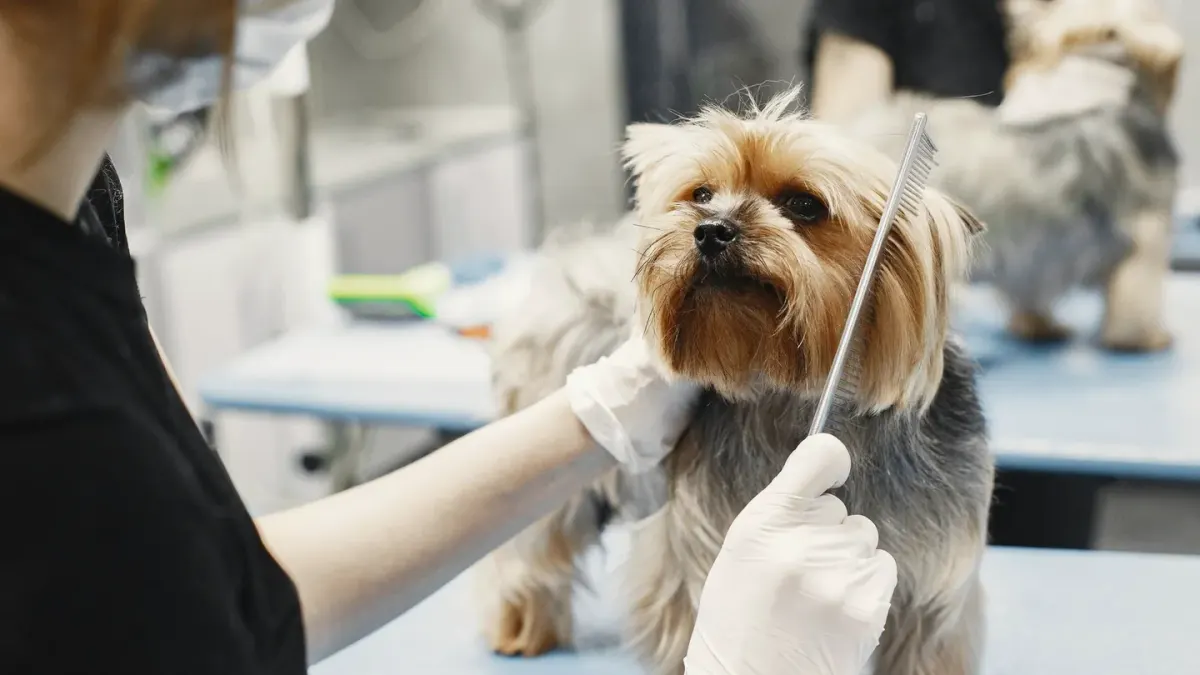
Lather for the full contact time, usually about 10 minutes, then rinse thoroughly. Work from neck down so fleas do not cluster around the eyes and ears, keep water lukewarm, and protect eyes with a damp cloth rather than shampoo near the face. For face cleaning details, the approach in At-Home Grooming vs a Professional Groomer: How to Actually Decide helps owners decide what to handle at home.
A bath supports comfort that night.
That one short paragraph carries the thesis. The rest of the work happens outside the tub.
Why the house decides whether fleas return
Wash bedding on hot, vacuum carpets and couch seams, throw away the vacuum bag or empty the canister outside, and repeat for several weeks. Pupae can sit protected for weeks, so one deep clean rarely ends it.
The U.S. Environmental Protection Agency recommends washing pet bedding, vacuuming thoroughly, and following label directions carefully when any indoor pesticide is used around pets and children.
In practice, the routine that holds up is simple: bathe to remove current fleas and dirt, start or continue a veterinarian-recommended monthly flea preventive, and clean resting spots weekly for at least a month. Dogs with coats that mat easily trap moisture and flea dirt, so steady brushing and coat care from Cockapoo Grooming and Coat Care: A Vet’s Practical Guide makes rechecks easier even in short-coated dogs like Chuckie.
Ask your veterinarian before combining a flea shampoo with a spot-on, collar, or oral preventive, especially in puppies, small dogs under label weight, pregnant dogs, or dogs with skin sores. Bring the product labels so dosing intervals do not overlap.
What I would do for an itchy, flea-specked dog
Bathe once with a dog-labeled flea shampoo when live fleas are present, rinse well, dry fully, and use a flea comb daily for a week to track numbers. Pair that with hot-water bedding washes, careful vacuuming, and a year-round preventive chosen with your veterinarian.
Sarah’s plan fit that pattern: one careful bath, fresh bedding that night, and a clinic call the next morning about ongoing prevention. Chuckie slept better, and the comb counts told them whether the house steps were working.
If scratching stays intense, skin looks red or broken, hair thins, or you see tapeworm segments near the tail, skip another bath and schedule an exam. Those signs point past what any wash can fix.
Frequently asked questions
Will regular dog shampoo kill fleas?
It washes away some adult fleas and flea dirt, which may help maintain comfort, but it does not reliably kill fleas or stop eggs and pupae in bedding from hatching.
Can I use dish soap or essential oils to kill fleas?
They are not a safe swap for a dog-labeled flea product; dish soap dries skin and concentrated oils can irritate skin or cause harm if licked, so check with your veterinarian first.
Sources
- About Fleas — Centers for Disease Control and Prevention
- Controlling Fleas and Ticks Around Your Home — U.S. Environmental Protection Agency