Save food-stuffed and puzzle toys for busy moments and trade 20 minutes of chewing for a smaller dinner.
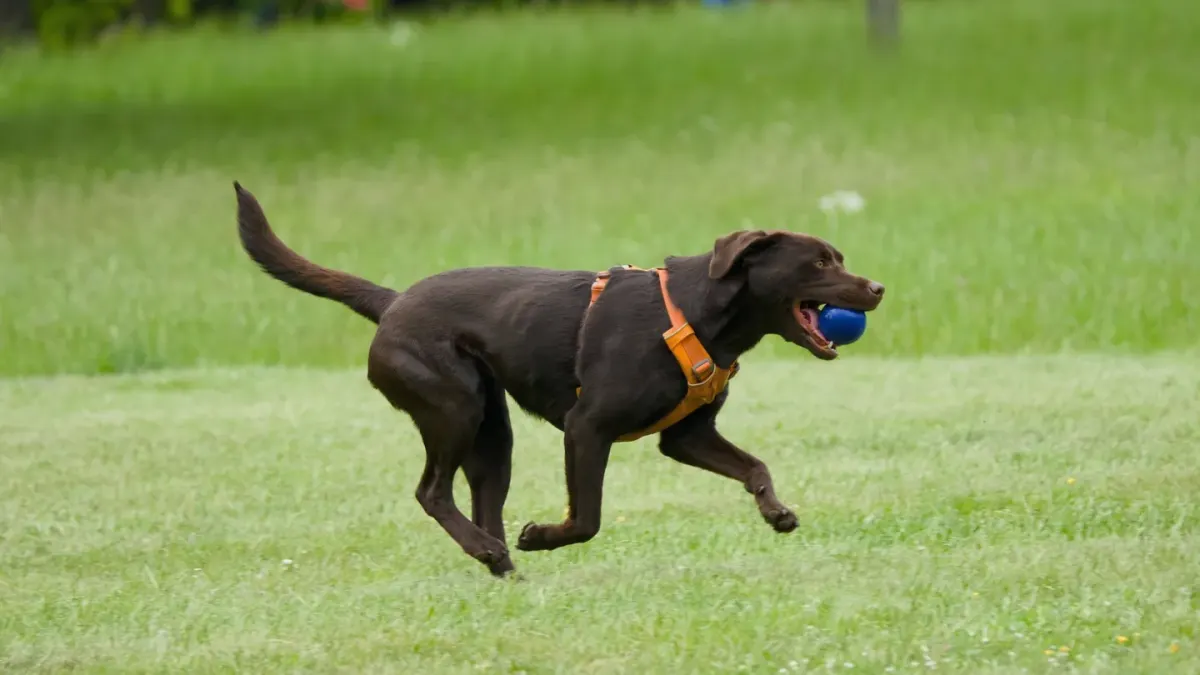
You have a call in ten minutes and your dog has other plans. That is the moment to decide: do you need twenty focused minutes right now, or low-level company for the next few hours?
Distraction toys work best when you match the toy to that answer. A frozen food-stuffed toy buys quiet for a work block. A snuffle mat or shred box buys sniffing without much food. Save the best ones for those moments and put them away after, so they stay interesting instead of becoming background clutter.
Tamara in Eugene learned this with Kujo, her 8-year-old neutered male Chihuahua mix. Left out all day, his puzzle went untouched. Offered only when she started her laptop, then picked up after 15 minutes, the same puzzle held him for three straight work sessions before he walked away to nap.
Pick your busy window first
Think in windows, not in toys. A short window — doorbell, dinner prep, video call — calls for licking and chewing, which tends to settle dogs. A long window — a work afternoon — calls for rotation, naps included. No toy should be expected to occupy a dog for hours on its own.
Vets often see the opposite setup: a basket of ten toys available all the time, and a dog who pesters anyway. Novelty fades. In practice, two or three options in rotation beat ten left on the floor.
For food-motivated dogs, weigh what that food stuffing can realistically do for diet as well as behavior. A Kong-style hollow toy packed with kibble, canned food, or plain yogurt and then frozen may help support calm licking and chewing, but the calories still count toward dinner. Ground that integrative routine in the nutritional evidence: measure the stuffing, then feed a little less at the next meal.
The PDSA recommends choosing toys suited to size and chewing style and supervising play, rotating toys to keep interest and checking them for damage.
5 types worth keeping in the closet
You do not need all five. Pick two that fit your dog’s mouth, stomach, and noise tolerance.
1. Freezable hollow chew. Fill with part of the day’s kibble plus a spoonful of wet food or peanut butter without xylitol, freeze overnight. Unfrozen lasts 10 minutes; frozen often lasts 25 to 40 minutes for a determined licker.
2. Snuffle or forage mat. Dry kibble scattered deep in fabric strips rewards sniffing, not gulping. Good for dogs on restricted calories and for apartment dwellers who need quiet. Wash it often — see our notes on how to clean and disinfect dog toys.
3. Puzzle feeder with one moving part. Sliders or flippers, not a 12-step contraption. If your dog cannot win in two minutes on the first try, it is too hard. Start easy, then add difficulty once a week.
4. Long-lasting chew for power chewers. Split antler-style chews, pressed cheese, or a sturdy rubber chew give jaw work without constant refills. Match size to the dog, supervise, and trade before it gets small enough to swallow. Our breakdown of chew toys vs. edible chews explains when to pick each.
5. Shred box. A cardboard box with paper and a few treats inside gives terriers and young dogs legal destruction. Use it only under watch, and skip it if your dog eats cardboard rather than shreds it.
That distinction between active chewing and quieter puzzle work matters more than it looks. Our guide to interactive toys vs. chew toys walks through when to offer each type during the day.
Make it last without overfeeding
Larry in Concord had the classic Bull Terrier mix problem: Sprocket, his 7-year-old spayed female, could empty any food toy in eight minutes flat. The fix was not a tougher toy. It was freezing a thinner mix in layers and holding back one-third cup of her dinner kibble for stuffing, so the workday total stayed even.
Three rules keep this sustainable:
Give the high-value toy only when you need quiet. If it lives on the floor, it stops being special.
Size the portion. For most adult dogs, keep toy treats to about 10% of daily calories. If you use a lot in the morning, serve a smaller evening meal.
Supervise new toys, then audit. The Merck Veterinary Manual notes that destructive chewing and restlessness often reflect unmet exercise, social, and exploratory needs, so a toy that gets ignored may be a signal to add a walk or training game rather than buy another toy.
Retire toys early. Frayed rope, cracked rubber, or a mat that stays damp should go.
If your dog guards food toys, resource guards, paces, or destroys barriers, that is beyond a toy problem. Talk with your veterinarian or a qualified behavior professional.
Keep two winners in rotation, save them for the moments you need, and count the calories. That is what keeps a good distraction toy good.
Frequently asked questions
How long should a distraction toy keep my dog busy?
Plan on 15 to 40 minutes for a frozen food toy and 5 to 15 minutes for a snuffle mat or simple puzzle. If you need longer coverage, rotate a chew, then a nap, then a short walk rather than expecting one toy to last hours.
Can I leave my dog alone with a puzzle toy?
Leave only sturdy, size-appropriate toys you have watched your dog use safely several times, and remove anything that can be chewed into pieces, swallowed, or tightened around paws or jaws. Introduce every new toy under direct supervision first.
Will food-stuffed toys make my dog gain weight?
They can if the extra food adds up. Measure what goes in the toy and subtract a similar amount from meals so total daily intake stays steady.
Sources
- Behavioral Problems of Dogs — Merck Veterinary Manual