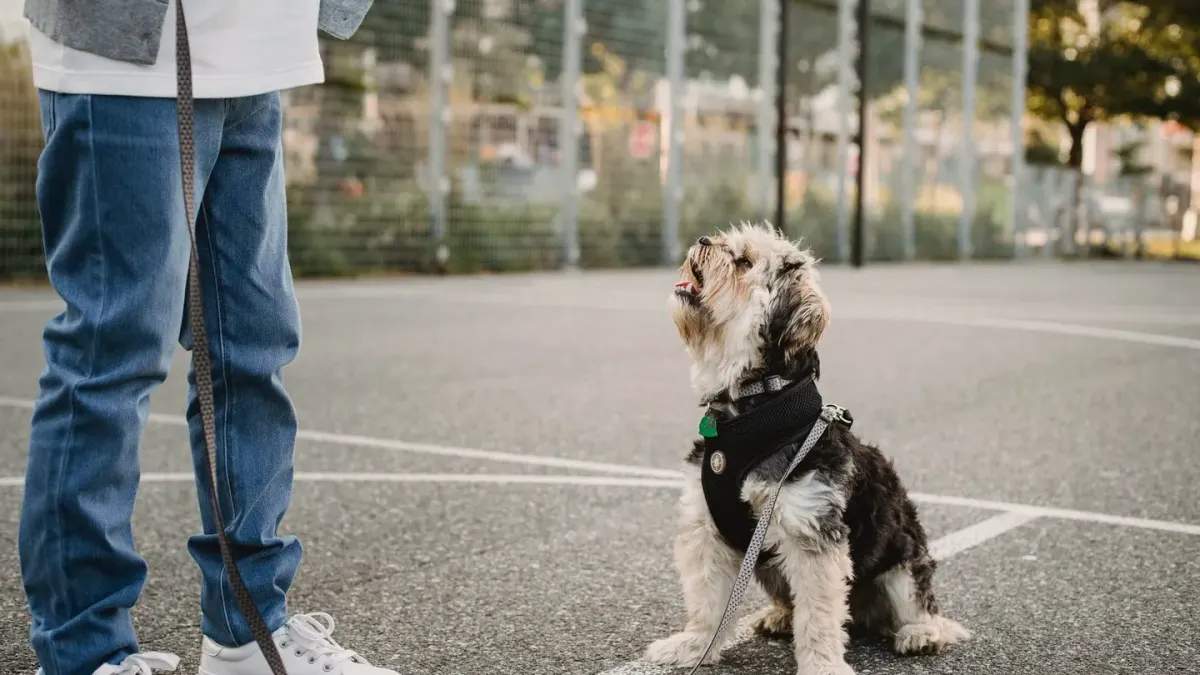
Luna, a nine-week-old Australian Shepherd with one blue eye and a mostly white head, wasn’t responding to her name. Her new owner assumed she was just a stubborn puppy until a trainer noticed she never turned toward sudden noises — a dropped pan, a doorbell, a clap behind her back. A veterinary BAER test confirmed it: Luna was born completely deaf in both ears.
That scenario plays out often enough that it’s worth knowing the pattern. Congenital deafness in dogs is strongly tied to coat pigmentation. Unpigmented skin in the inner ear can cause the nerve endings that support hearing to atrophy in the first few weeks of life, and the trait tracks with white, merle, and piebald coloring, according to the OFA. Dalmatians, Australian Cattle Dogs, Bull Terriers, English Setters, and merle-coated herding breeds show up disproportionately in deafness statistics for that reason. Deafness can also be acquired later from chronic ear infections, age-related nerve loss, or ototoxic drug exposure — the Merck Veterinary Manual covers both congenital and acquired forms in more clinical detail.
If you suspect hearing loss, don’t rely on casual observation alone. A dog can seem to hear because it’s picking up floor vibrations or reading body language, which masks partial loss. A veterinarian-administered BAER test measures electrical activity along the auditory nerve and is the only way to confirm the diagnosis with confidence.
Once deafness is confirmed, the actual training mechanics aren’t radically different from training a hearing dog — the learning theory underneath is the same. What changes is how the cue reaches the dog.
Start with getting attention reliably, because every other behavior depends on it. Touch works best: pick one spot, usually the shoulder or the top of the rear end, and use it the same way every time so the dog learns to expect a cue is coming rather than being startled. Stomping the floor so the dog feels the vibration through its paws is a solid backup when your hands are full. The AKC notes that lure-and-reward training transfers naturally into hand signals — the motion you use to lure a sit with a treat becomes the permanent signal once you fade the food out of your hand.
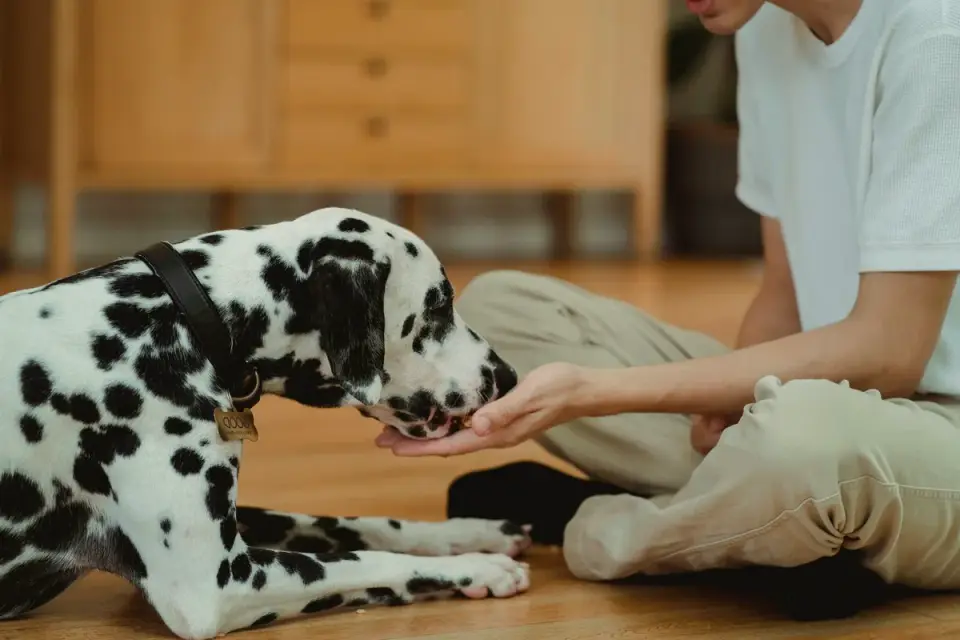
You’ll also need a marker signal to replace the verbal “yes” or the sound of a clicker. A thumbs-up delivered the instant the dog performs the right behavior, followed by a treat within a couple of seconds, does that job. Timing matters more here than with a hearing dog, since there’s no sound bridging the gap between the behavior and the reward.
Build the vocabulary one signal at a time, and keep each gesture visually distinct — two similar hand shapes will genuinely confuse a dog that’s reading your hands the way a hearing dog reads your tone. Some owners borrow from American Sign Language, some use standard obedience hand signals, and some invent their own system. What matters is consistency across every person who handles the dog, not which system you pick.
Recall is the hardest piece, and it’s also the safety-critical one. A dog that can’t hear you call from across a yard needs either a very reliable sight-based recall pattern or a vibration collar as a backup cue. Vibration collars are not shock collars — they deliver a buzz, not a correction — but they still need a careful, reward-paired introduction. The VCA Animal Hospitals guidance is explicit that these devices should be used thoughtfully, since some dogs find an unexplained vibration startling rather than informative. Pair the vibration with an immediate treat a few dozen times in a low-distraction setting before you expect it to mean anything outdoors.
Until recall is bomb-proof, treat off-leash time as a real risk rather than a convenience. A deaf dog can’t hear a car, a bike, or another dog approaching from behind, so a long line in open spaces and secure fencing at home matter more than they would for a hearing dog.
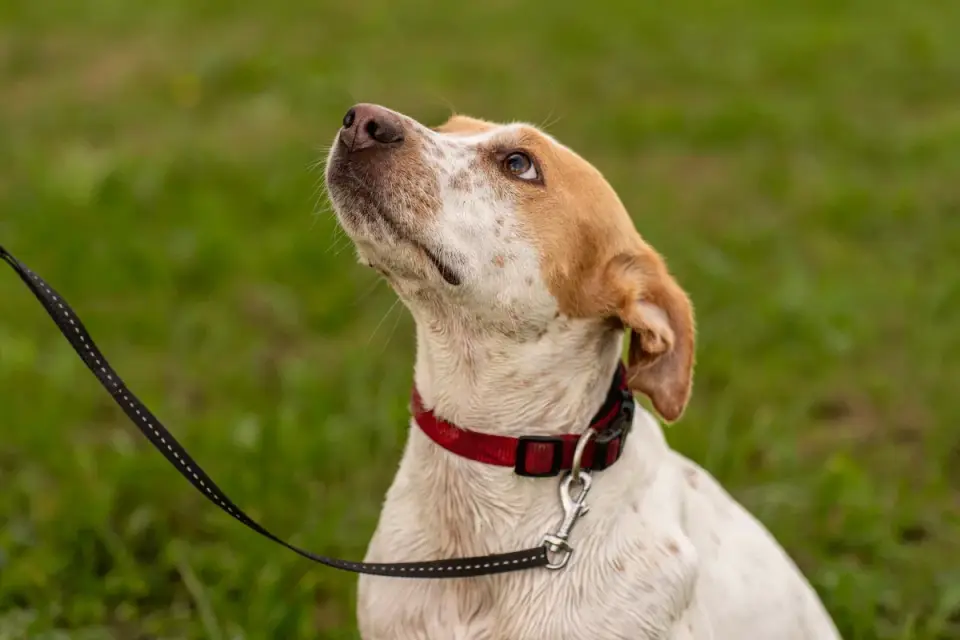
A few mistakes show up repeatedly. Owners sometimes wake a sleeping deaf dog with a hand on the face instead of a shoulder touch, which can trigger a startle bite even from a gentle dog — approach from a spot the dog can feel coming, not one that surprises it. Others give up on a marker signal and just rely on treats appearing randomly, which slows learning because the dog can’t tell exactly which action earned the reward. And some assume a deaf dog can’t do agility, rally, or other dog sports; plenty of deaf dogs compete successfully once handlers adapt cues to sight and touch.
The practical next step, if you’re just starting out, is small: pick one attention cue and one marker signal, use them for a week in short five-minute sessions, and only add new hand signals once those two are automatic. Deaf dogs learn at a comparable pace to hearing dogs when the cues are clear and consistent — the training itself isn’t the hard part. Building a communication system that never assumes sound is.
Frequently asked questions
Can a deaf dog actually be trained like a hearing dog?
Yes. The learning process — repetition, timing, and reinforcement — is identical. Only the cue itself changes, from a spoken word to a hand signal, touch, or vibration.
What's the fastest way to get a deaf dog's attention?
A consistent, gentle touch in the same spot each time (shoulder or rear) works well, as does stomping on the floor so the dog feels the vibration through its paws.
Is a vibration collar necessary?
Not necessary, but many owners find it useful for recall at a distance. Introduce it slowly and pair it with a reward so the dog doesn't find the sensation aversive.
How do I know if my dog is actually deaf?
A BAER (Brainstem Auditory Evoked Response) test performed by a veterinarian is the definitive diagnostic tool; casual observation can miss partial or one-sided hearing loss.
Sources
- Deaf Dog Training: How to Train and Care for a Deaf Dog — AKC
- Teaching and Training a Deaf Dog — VCA Animal Hospitals
- Deafness in Animals — Merck Veterinary Manual
- Congenital Deafness — OFA