Most senior dogs do best with a wellness check about every six months, with sooner visits when appetite, weight, thirst, mobility, or rest changes.

On this page
For most healthy senior dogs, twice-yearly wellness checks catch slow change while it is still easy to support, and yearly visits are the minimum once the gray-muzzle years begin.
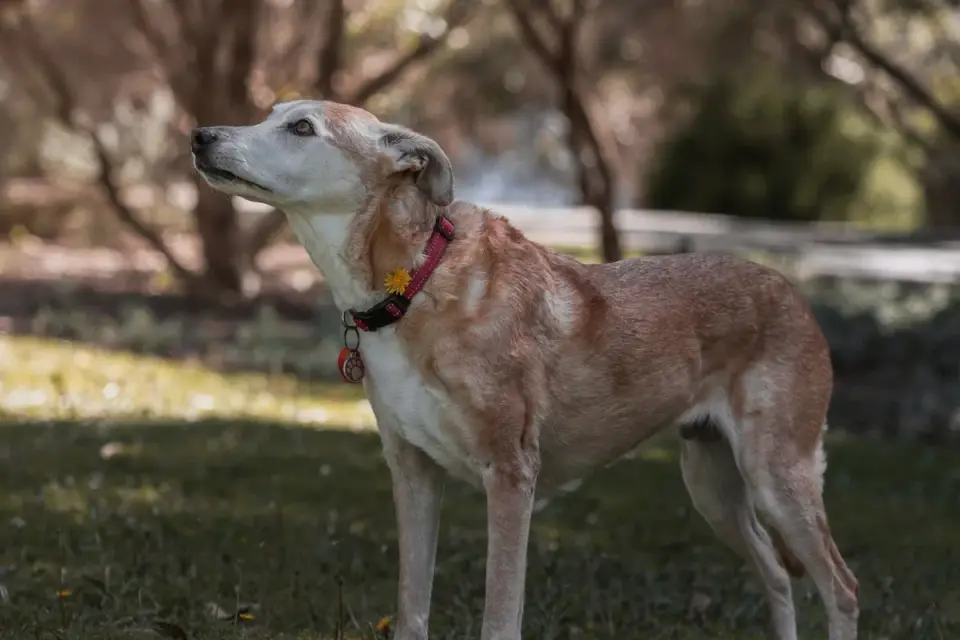
I treated a patient much like Choko, an 11-year-old neutered male West Highland White Terrier from Lansing, Michigan, whose owner Kirk noticed he was slower to rise after naps but still bright on walks. That in-between picture is common in my exam room: nothing urgent, yet enough shift in movement and rest to make a six-month rhythm feel right rather than waiting a full year.
1. Start with life stage, not just age in years
Small breeds often enter the senior window around 10 to 12 years, medium breeds around 8 to 10, and large and giant breeds around 6 to 8. The AVMA notes that aging pace varies by size and breed, which is why I pair the calendar with the dog in front of me — body condition, muscle tone, coat, teeth, and daily stamina.
From a whole-patient view, structure tells the story early. Topline muscle, thigh shape, and how a dog rises from a soft bed often change before bloodwork does. If you are learning what to feel for at home, this guide to How to Measure Muscle Condition Score in a Senior Dog pairs well with the hands-on part of the exam.
2. Why six months suits many seniors
A six-month interval gives us two comparison points per year for weight, blood pressure, joint comfort, vision and hearing, and early organ change. It also supports steady routines around food therapy, gentle movement, Tui-na–style bodywork where appropriate, and rest — each described in plain structure-and-function terms as ways that may help support comfort and daily ease.
This does not mean every visit needs full laboratory work. One visit may center on exam, weight trend, and mobility, while the other adds blood and urine screening based on age, prior results, and medications.
3. Signs that shorten the interval
Call sooner than the next scheduled check when you notice drinking more water, needing to urinate overnight, weight loss with a steady appetite, new stiffness, panting at rest, coughing, or a startle response that was not there before. For sound sensitivity in particular, Why an Old Dog Startles at Sounds He Used to Ignore can help you sort hearing change from worry or discomfort.
Hind-end weakness deserves its own prompt check rather than watchful waiting. I ask owners to note stairs, slipping on smooth floors, toenail scuffing, and trouble rising, then use a calm framework like Dog Back Legs Giving Out: The Checklist to Run Before You Panic to bring clear notes to the visit.
4. What a thoughtful senior visit includes
Expect weight and body and muscle condition scoring, orthopedic and neurologic observation, mouth and dental review, eye and ear checks, skin and lump mapping, heart and lung listening, abdominal palpation, and blood pressure when indicated. Laboratory screening often includes complete blood count, chemistry with kidney and liver values, thyroid screening where appropriate, urinalysis, and fecal review, with chest films or abdominal imaging added for specific concerns.
I also review food, treats, chews, and supplements as a whole routine — form the dog will take, timing with meals, and whether the plan is being kept up day to day. Botanicals and adaptogens may have a place alongside conventional care for some dogs, and I am clear about which parts rest on tradition and which rest on published evidence, always with realistic expectations.
5. A simple schedule you can keep
Healthy senior, stable weight and movement: exam about every six months, with laboratory screening once yearly or as your veterinarian advises. New diagnosis, new medication, or gradual decline: rechecks every one to three months until the pattern steadies. Large and giant seniors and dogs over about 13 years: lean toward the closer end of that range, since change can move faster.
Between visits, keep a short log: morning rise, walk distance, appetite, water fills, nighttime outings, and any slip or stumble. Bring it in writing. Small notes across months often guide timing better than any single test result, and they help us adjust food, movement, acupuncture or bodywork plans, and home setup with a palliative gentleness toward comfort.
Frequently asked questions
Does a healthy 9-year-old dog need to come in twice a year?
In many practices, yes. Size, breed pace of aging, weight trend, and mobility guide the call, but a six-month exam rhythm gives a clearer comparison across the senior years.
Should bloodwork be done at every senior wellness check?
Not always. Many veterinarians alternate a full exam visit with an exam-plus-screening visit, then add testing sooner when signs, medications, or prior results point that way.
Sources
- Senior Pets — AVMA