
You have two choices with a toy breed: chase every possible test, or track the few checks that actually change what you do. I counsel owners to pick the second path, because baseline behavior and low-stress handling tell you more over time than a single normal exam.
I saw this play out with a 4-year-old, 6-pound Toy Poodle who came in for “bad breath.” Her owner brushed when she remembered and assumed small dogs just have smelly mouths. By that visit the upper canines wore a thick tan line of tartar, the gums bled when I lifted the lip, and she pawed at one side of her mouth after chewing. We scheduled a dental under anesthesia with radiographs, set a home routine she could actually keep, and used her weight, appetite, and chew behavior as the baseline to judge healing three weeks in. That one decision — treat the mouth as a health check, not a cosmetic issue — changed her comfort more than any supplement could have.
Score the mouth before you score anything else
Toy jaws crowd teeth together, and crowded teeth hold plaque. That is why I put a conscious dental check and anesthetized dental assessment with radiographs at the top of the list for breeds like Toy Poodles, Yorkies, and Chihuahuas.
You can do part of this at home. Lift the lips monthly, note odor, drooling, pawing, dropping food, or chewing on one side, and keep a short log. Your veterinary team can then decide when cleaning, radiographs, or extractions may help support oral structure and function. Keep it preventive with realistic timelines: brushing may help support gum health, but it will not remove established tartar.
Watch how the knees and windpipe behave in real life
The second fork is movement and breathing. Luxating patellas and collapsing trachea are common structural issues in toy breeds, and both show up better in motion than on the exam table.
For knees, I ask owners to film stairs, jumps off the couch, and a short trot. Look for a skip, a held-up hind leg for two or three steps, then a return to normal. The Merck Veterinary Manual describes that classic intermittent lameness pattern for patellar luxation in dogs, and grading helps your vet counsel you on weight, exercise, and when surgery deserves discussion.
For breathing, listen for a dry, goose-honk cough with excitement, pulling on a collar, or drinking fast. The VCA Hospitals overview of tracheal collapse in dogs notes small-breed predisposition and the role of weight, harness use, and airway irritants in daily management. I switch most toy dogs to a well-fitted harness on my durability, fit, comfort, and value rubric because fit wins where collars press the trachea, even though a collar still wins for quick ID tags.
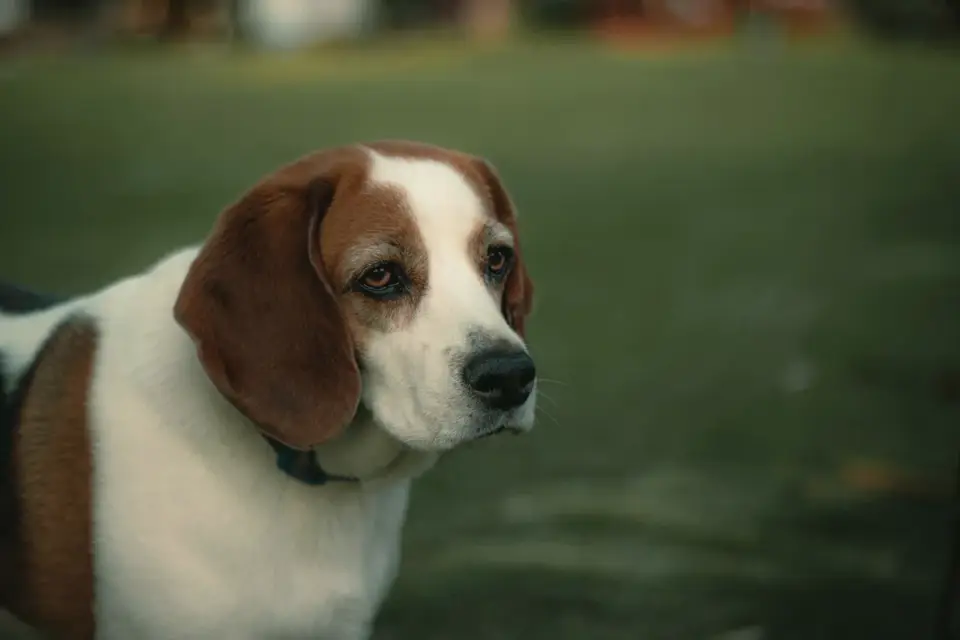
A 2-year-old, 5-pound Chihuahua taught me where hands-on testing humbles a neat plan. His owner bought three harnesses based on reviews, and each one either gaped at the neck or rubbed behind the front legs by day 10. The cough persisted because he still pulled hard on walks and barked at hallway noise for minutes at a time. We stopped chasing the perfect harness and changed the routine instead: shorter sniff walks, a front-clip fit checked with two flat fingers, weight logged monthly, and a plan to record cough frequency for two weeks. Comfort improved, but the tradeoff stayed honest — no gear fixes airway anatomy, it only reduces irritation.
Heart and eyes are quiet until they are not
This is where owners under-check. Mitral valve disease can murmur for years before cough, faster resting breathing, or exercise intolerance appear, especially in Cavaliers and similar toy types. I want a documented heart listen every visit, a resting respiratory rate at home when the dog is asleep, and an echocardiogram when the murmur grade, breed risk, or symptoms justify it.
Eyes deserve the same discipline. Tear staining is not the check. Look for squinting, cloudiness, bumping into furniture in dim light, or green-yellow discharge. Cataracts, dry eye, and progressive retinal changes need early referral because timing changes options. If you are still choosing between types, my comparison of Toy Poodle vs Miniature Poodle: How to Actually Choose walks through size and care tradeoffs, and Cavalier King Charles Spaniel vs Cocker Spaniel: Choosing Between Two Very Different Health Pictures shows why heart screening weighs heavier for Cavaliers.
The strongest counterargument I hear is fair: why not run full bloodwork, echo, and advanced imaging yearly on every toy dog just in case. My answer is expectation first. Broad testing without a baseline creates noise, cost, and stress, and stress ruins the next exam. I would rather see focused checks done well — mouth, knees, trachea, heart, eyes, weight, and behavior — than a wide panel done once and never repeated.
An edge case changed how I phrase this for apartment owners. A 9-year-old, 8-pound rescue mix lived mostly indoors, slept most of the day, and seemed “fine for her age” until the owner counted 32 breaths per minute during sleep over three nights in. That number, not the occasional cough, prompted the cardiac recheck that adjusted her monitoring plan. Small spaces hide exercise intolerance, so home resting rate and weight trends matter more than hallway energy. If apartment life is your setting, Best Dog Breeds for Apartment Living: What Actually Matters Before You Adopt helps you match routine to reality before health issues compound.
Keep records simple enough to keep. One page for weight, dental notes, cough or limp episodes, resting breathing rate, and eye changes gives your vet a usable trend line. That baseline is what lets small, early interventions may help support comfort and function without overpromising outcomes.
Frequently asked questions
How often should a toy breed get a dental check?
Ask for an oral exam at every wellness visit and a monthly home lip-lift for odor, tartar, bleeding, or one-sided chewing. Your vet will advise when anesthetized cleaning with radiographs is needed based on buildup and symptoms.
Skip, cough, or heart murmur — which needs the fastest call?
Call promptly for labored breathing, fainting, persistent goose-honk cough, non-weight-bearing lameness, or a resting sleep breathing rate that stays high over several nights. Bring videos and your recent weight and behavior notes.
Sources
- Tracheal Collapse in Dogs — VCA Hospitals